What Are the Advantages of Rapid Prototyping for HRS?
Accelerating Design Validation and Functional Testing
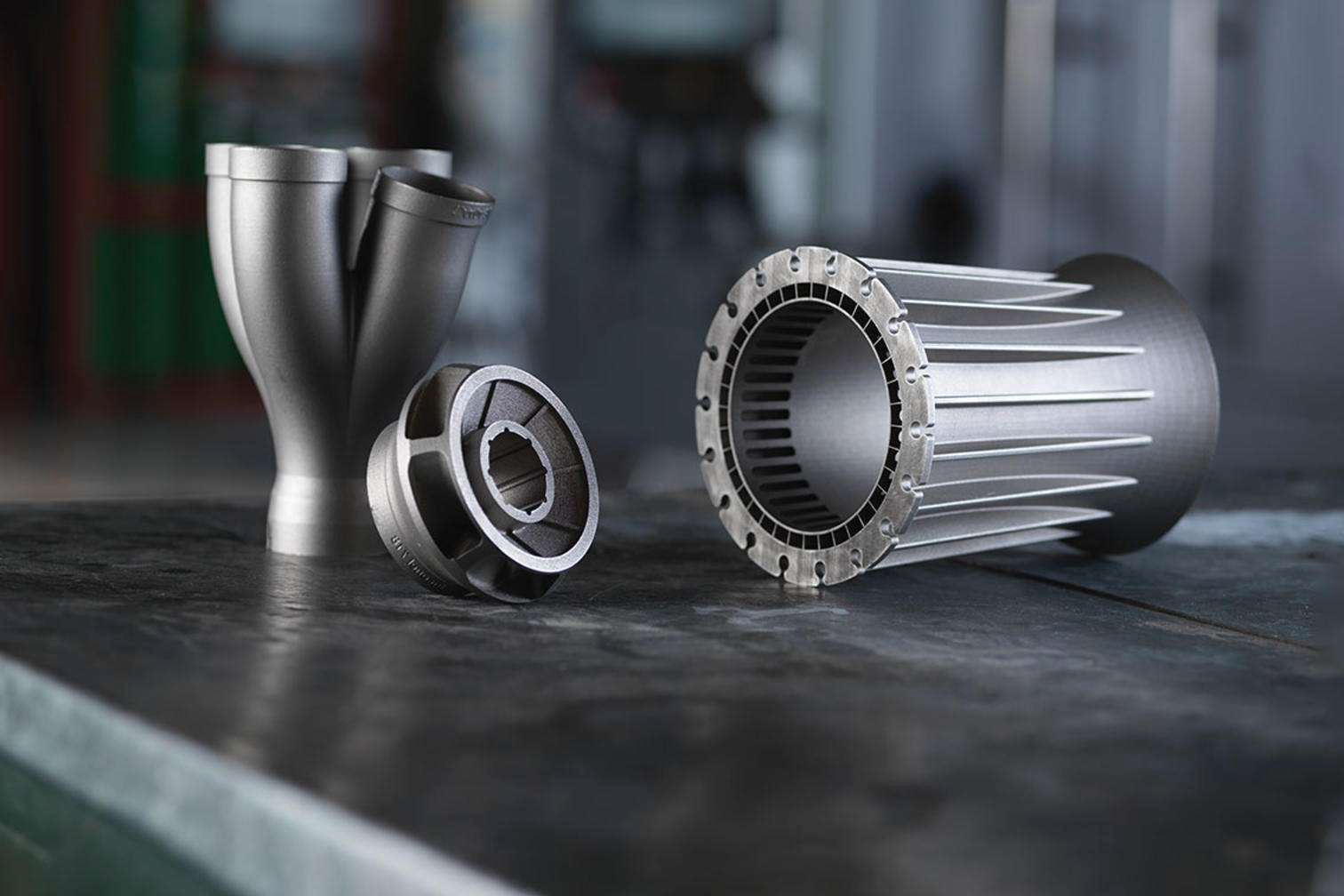
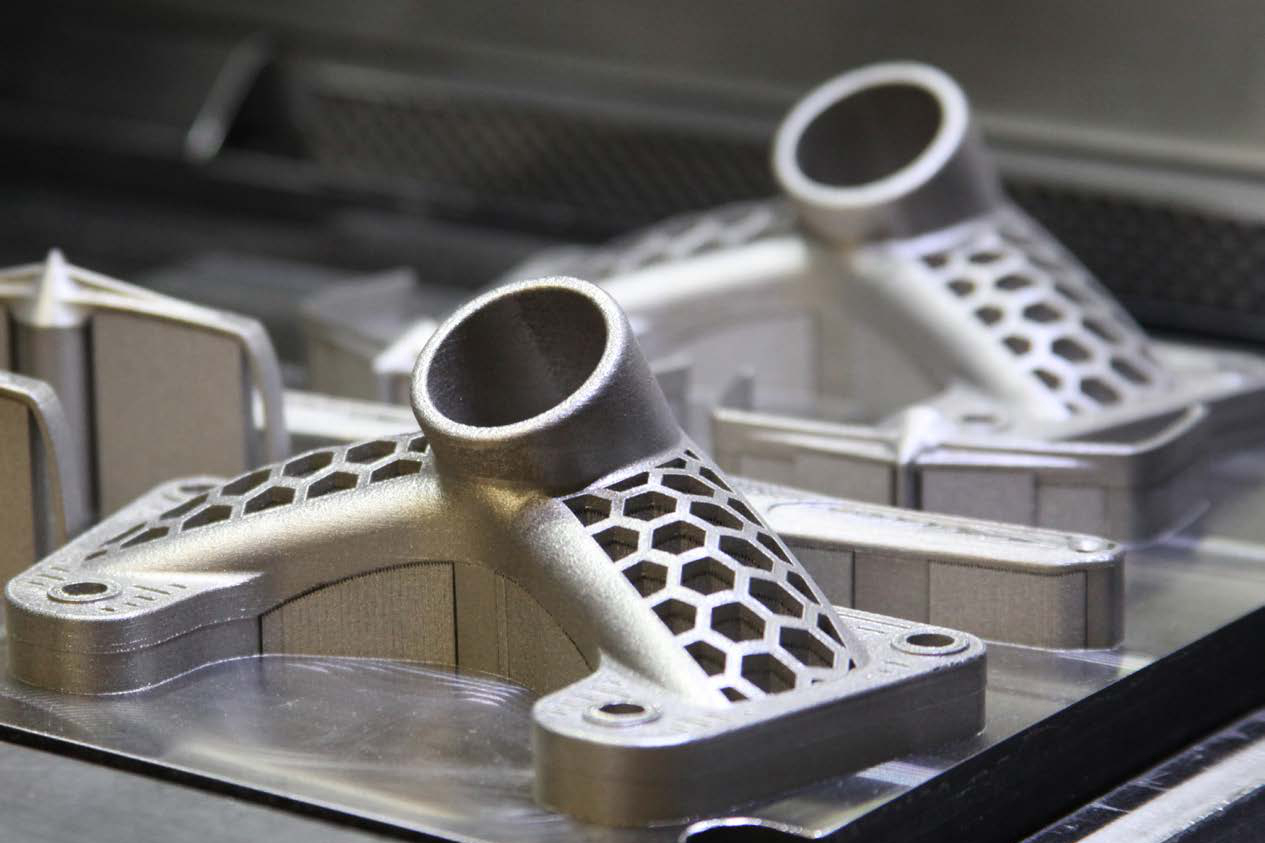
Rapid prototyping plays a crucial role in the development of Heat Recovery Segments (HRS), enabling engineers to validate complex geometries and optimize thermal-flow designs prior to full-scale production. With technologies such as 3D printing service and superalloy 3D printing, prototypes can be produced directly from CAD data with minimal tooling requirements. This reduces lead times from weeks to days, allowing for faster iteration and design verification under simulated operating conditions.
For turbine and energy recovery systems, prototype testing is crucial for evaluating airfoil curvature, heat exchange surface area, and dimensional accuracy. The ability to create functional metal prototypes using materials like Inconel 625 or Rene 77 enables the accurate evaluation of mechanical and thermal behavior prior to investing in tooling for mass production.
Material Flexibility and Design Optimization
Additive manufacturing methods, such as aluminum 3D printing and stainless steel 3D printing, provide the flexibility to test different materials and optimize component weight. For lightweight prototypes, AlSi10Mg offers excellent thermal conductivity and corrosion resistance, while superalloys like Hastelloy C-276 or Nimonic 90 enable the evaluation of high-temperature strength.
By experimenting with different alloy combinations and geometries, engineers can simulate fatigue, creep resistance, and flow efficiency, tailoring the HRS design to meet the performance standards of demanding sectors such as aerospace and aviation, as well as power generation.
Integration with Post-Processing and Quality Verification
After prototype fabrication, additional finishing operations, such as superalloy CNC machining, material testing, and analysis, are applied to achieve tight tolerances and confirm mechanical integrity. This integration of additive manufacturing and post-processing ensures that the prototype accurately reflects the performance of production-level components.
Techniques such as hot isostatic pressing (HIP) can also be employed to densify printed superalloys, removing internal porosity and ensuring that the final HRS meets the same reliability standards as conventionally cast components.
Industry Benefits and Practical Outcomes
Industries like energy, oil and gas, and marine leverage rapid prototyping to accelerate product development cycles while minimizing design risks. The reduced material waste, faster feedback loops, and improved performance validation translate into shorter time-to-market and higher cost efficiency.