ICP-OES Composition Testing for Superalloy Casting Release
ICP-OES composition testing is useful when a superalloy casting buyer needs release evidence for major and minor alloying elements. The RFQ should not simply ask for a chemistry test. It should define the alloy specification, element list, casting lot boundary, sample location, report format, and how the result will be used for acceptance. Without that context, the testing quote may not match the buyer's release decision.
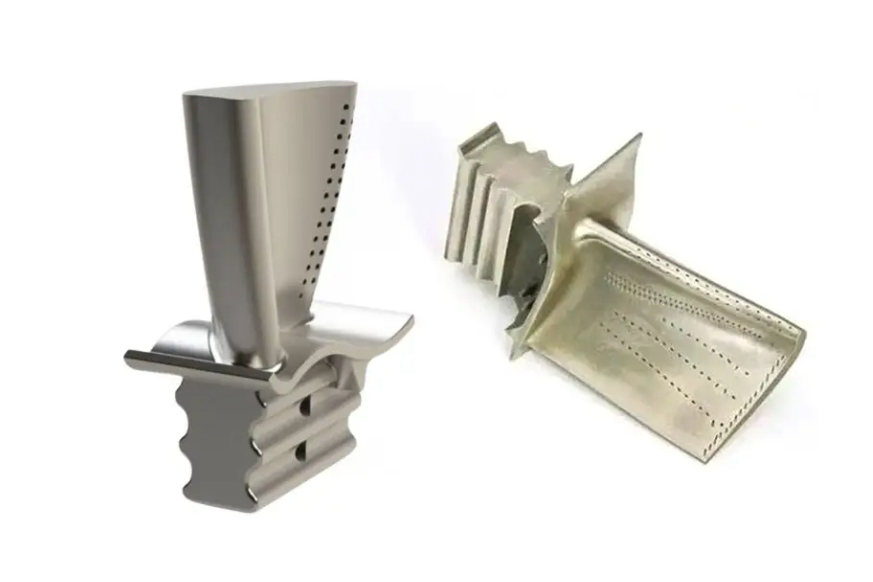
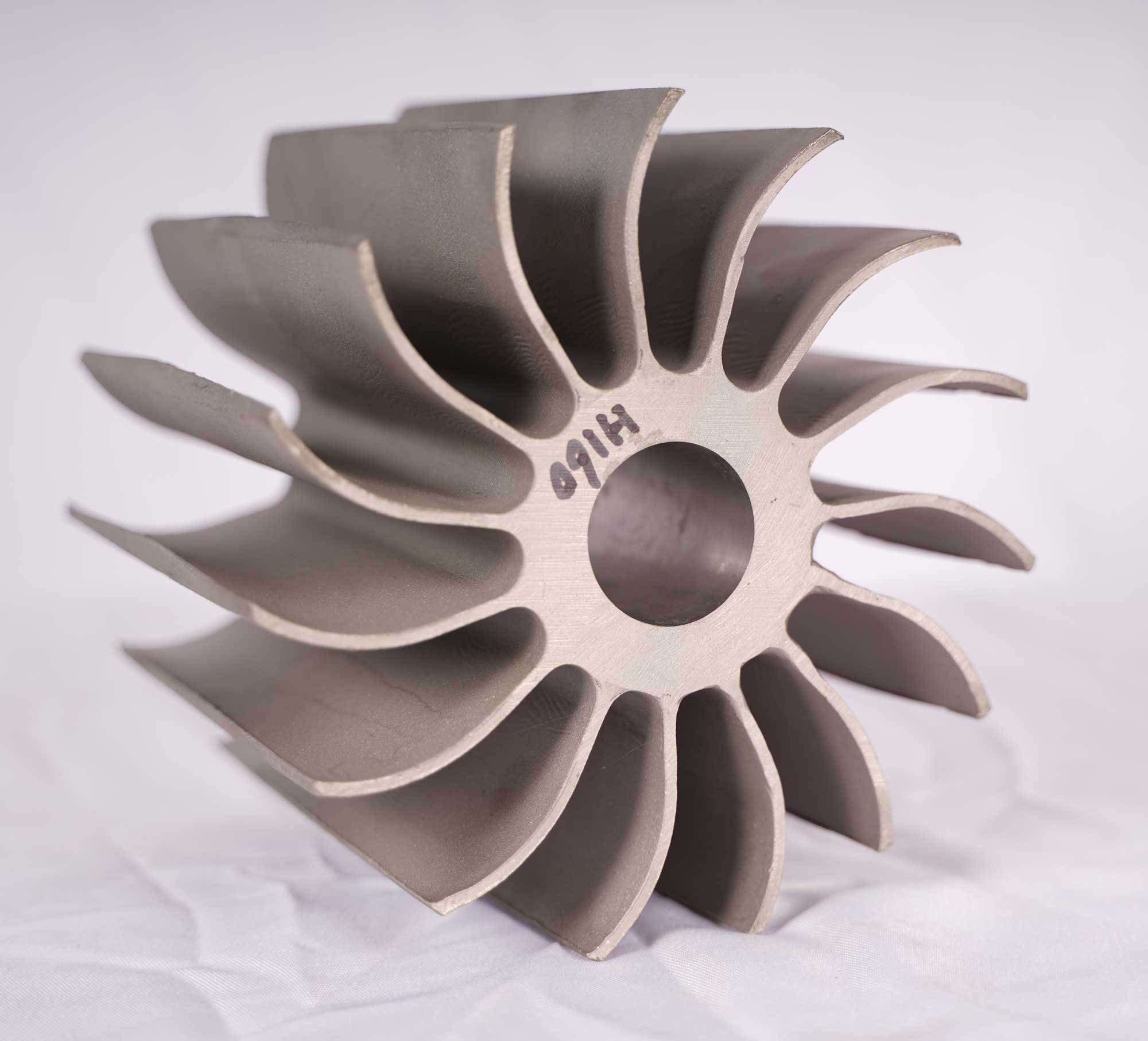
NewayAeroTech can support superalloy material testing and analysis for casting RFQs where chemical verification is part of lot release, first-article review, supplier comparison, or process control. ICP-OES is different from ultra-trace impurity review and different from carbon/sulfur control. Its value is strongest when the buyer needs a practical composition report for specified alloy elements in a defined casting lot.
When ICP-OES Is the Right Chemistry Release Method
For this RFQ, buyers should use ICP-OES when they need composition evidence for alloying elements such as nickel, cobalt, chromium, aluminum, titanium, molybdenum, tungsten, tantalum, niobium, hafnium, iron, or other specified elements that can be measured by the selected laboratory method. The exact element list should come from the buyer's material specification, not from a generic superalloy checklist.
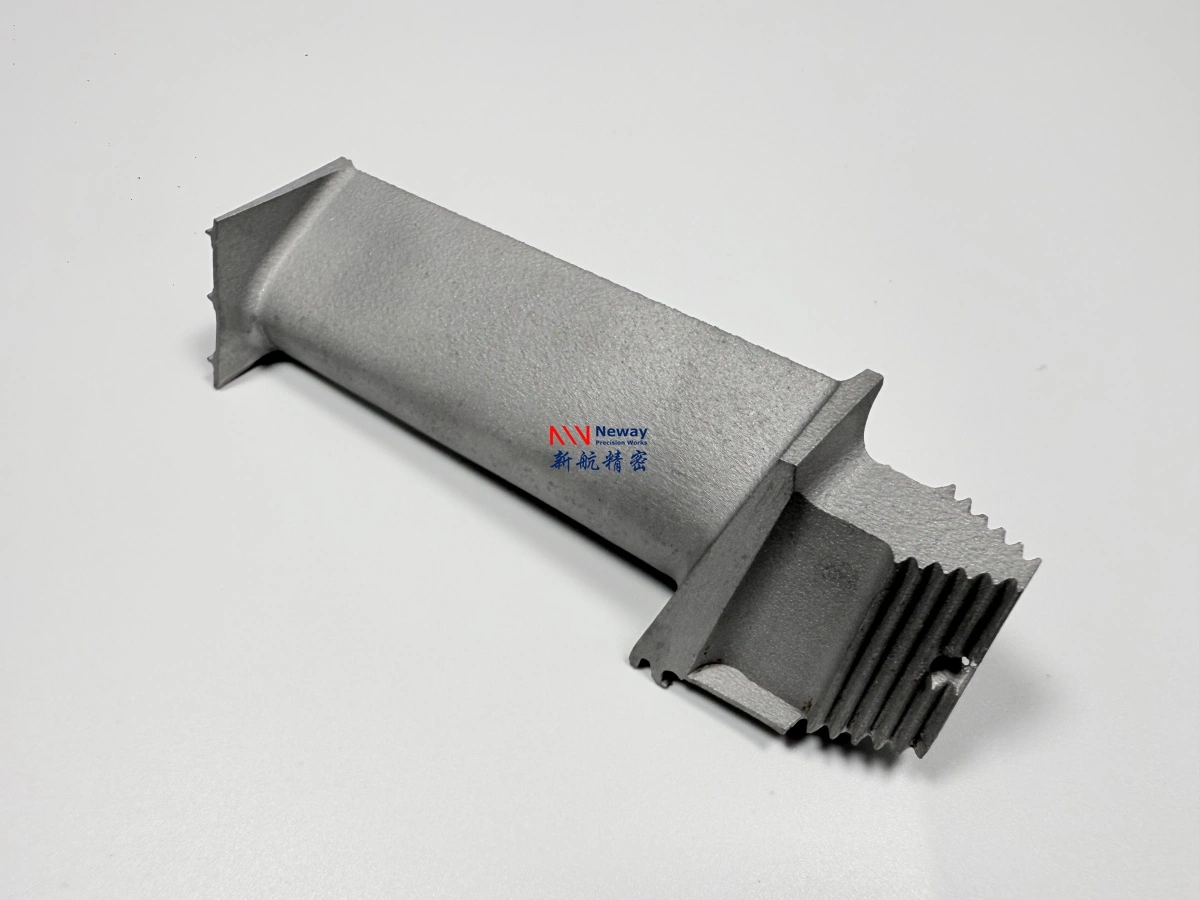
ICP-OES can support release of castings, test coupons, remelt batches, or first-article samples when the buyer needs to confirm that the supplied material aligns with the required alloy chemistry. If the concern is ultra-low trace elements, gas content, or carbon and sulfur only, another method may be needed. The quote should state which elements ICP-OES will cover and which elements are outside the method or outside the requested report.
Buyer chemistry question | ICP-OES fit | RFQ detail needed |
|---|---|---|
Major alloying element confirmation | Strong fit for a defined element list and alloy specification. | Send material grade, limits, sample condition, and report format. |
Minor element release check | Useful when method capability and lab scope match the required limits. | Define elements, reporting units, and acceptance limits. |
Ultra-trace impurity concern | May require a different method or additional testing route. | State impurity limits and ask for method suitability before quoting. |
Carbon, sulfur, oxygen, nitrogen, or hydrogen control | Usually handled by other dedicated methods. | Separate these requirements from the ICP-OES element list. |
This method selection should be made before sampling. A casting program can lose time if the buyer cuts a coupon, sends it for the wrong chemistry method, and later discovers that the required acceptance element was not included. NewayAeroTech can review the requested report scope with the casting route so the chemical evidence supports release rather than becoming a late correction.
Alloy Elements Buyers Should Define for Superalloy Castings
Superalloy casting chemistry is not a single number. Nickel-based, cobalt-based, and iron-nickel superalloys may rely on different combinations of strengthening, oxidation resistance, carbide-forming, and solid-solution elements. Buyers should provide the material grade, specification revision, and required element limits. If the part is an Inconel, Rene, CMSX, Nimonic, Hastelloy, Stellite, or custom alloy project, the RFQ should identify the grade rather than only naming the family.
The element list should distinguish acceptance elements from informational elements. Acceptance elements decide release. Informational elements may help troubleshoot melt history, compare supplier records, or review process drift. Mixing these roles can create confusion when a report shows an element outside an informal internal preference but inside the contractual material requirement. The RFQ should tell the supplier which values will be used for acceptance.
For casting programs involving Inconel alloys, Rene alloys, or other high-temperature materials, the buyer should also state whether chemistry is checked on incoming material, melt sample, casting coupon, or finished-part sample. The reported number is only meaningful when the sample origin is clear.
Element group | Buyer decision it supports | Report instruction |
|---|---|---|
Base and major alloying elements | Confirms material family and grade alignment. | List required limits from the specification revision. |
Strengthening and carbide-forming elements | Supports release of heat-resistant casting chemistry. | Define acceptance limits and reporting precision. |
Residual or restricted metallic elements | Helps review contamination or process control concerns. | State whether each value is acceptance-critical or informational. |
Elements requiring separate methods | Prevents missing records for carbon, sulfur, gases, or ultra-trace values. | Quote separate tests instead of assuming ICP-OES covers everything. |
Sample Plan and Lot Boundary for Composition Testing
The sample plan is often the most important part of an ICP-OES RFQ. Buyers should define what the sample represents. It may represent a heat, remelt batch, casting lot, test coupon, first article, or a specific suspect part. If that boundary is missing, a composition report can look complete but fail to prove the right material condition.
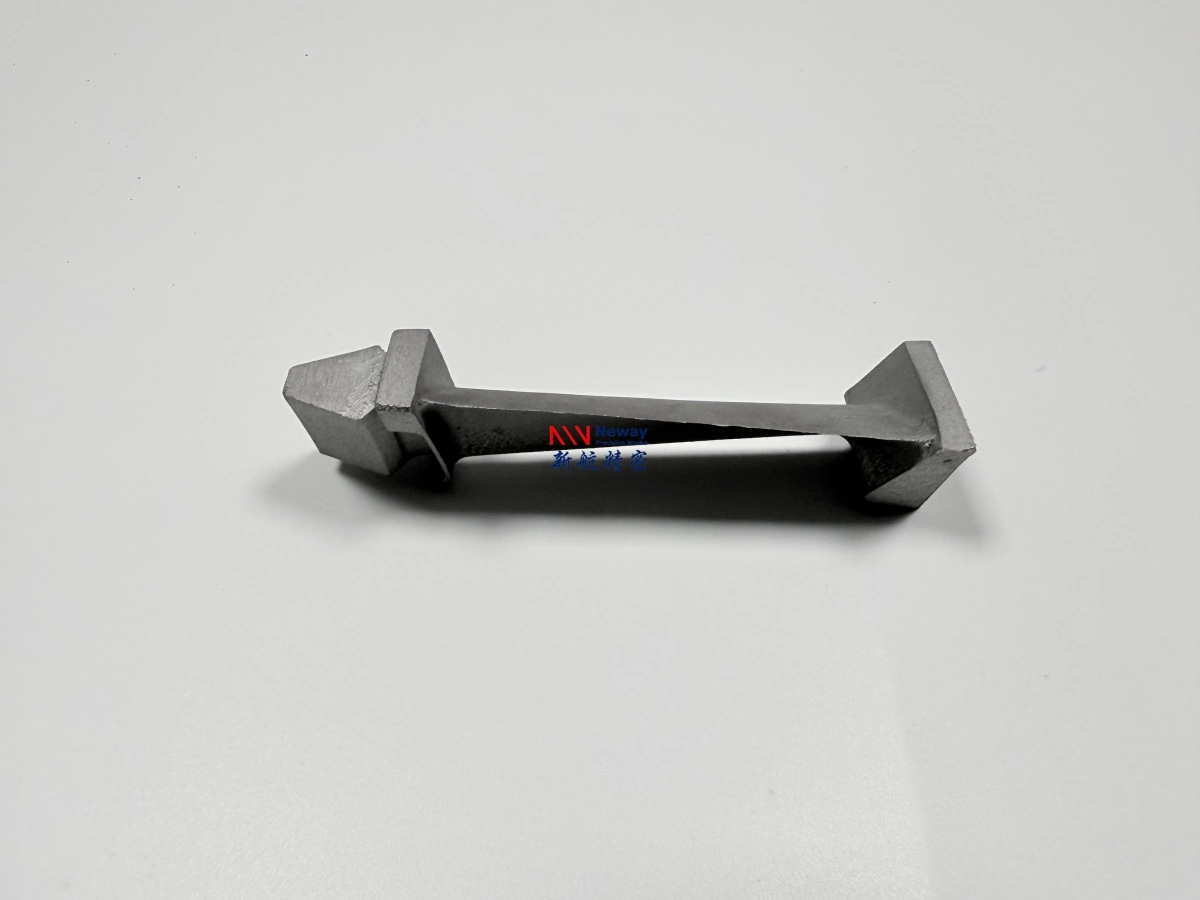
For vacuum investment casting projects, the buyer should state whether all castings in the lot share the same melt and process route. If parts are separated by heat, furnace load, rework step, or different heat treatment, the sample plan may need to separate those groups. The RFQ should also state whether the sample is sacrificial, taken from a coupon, or cut from a noncritical area after buyer approval.
Lot boundary question | Risk if unclear | Better RFQ instruction |
|---|---|---|
What does the sample represent? | Report may not release the castings the buyer cares about. | Define heat, batch, lot, first article, or individual part relationship. |
Where is the sample taken? | Sample may damage a critical feature or fail to reflect agreed release condition. | Specify coupon, runner, test bar, or approved cut location. |
When is testing performed? | Late testing may delay release after machining or heat treatment. | Place chemistry testing before final work when release depends on results. |
Who approves retest or dispute steps? | Unexpected result may stall shipment without a decision path. | Define retest method, sample retention, and buyer approval contact. |
The sample plan should also protect the part. If a finished casting is too small or too valuable to cut, the buyer may need a separately cast test coupon. If the project involves prototype parts, sample availability should be agreed before production. A testing plan written after parts are already finished can create avoidable delay.
How ICP-OES Reports Support Casting Release Decisions
An ICP-OES report should help the buyer make a release decision, not merely add a file to the quality package. The report should identify sample ID, lot or heat relationship, method, element results, units, specification limits when included, lab or inspection reference, and any values requiring buyer review. If a value is outside the requested limit, the supplier response should not hide it in a long document.
Buyers should ask how the report links to the casting traveler or batch record. A chemistry report that is not tied to the casting lot can become difficult to use during incoming inspection. The release package may also include dimensional inspection, NDT, heat-treatment records, HIP records, or machining reports depending on the component. ICP-OES is one part of that evidence set.
For castings that also require heat treatment, chemistry release should be scheduled early enough to avoid finishing parts before material acceptance is clear. If the buyer needs chemistry approval before machining or coating, the RFQ should state that hold point. Otherwise, the supplier may assume chemistry is part of final documentation and not a gate before downstream work.
Report item | Release value | Buyer review note |
|---|---|---|
Sample and lot ID | Connects the result to castings being released. | Must match traveler, heat, or purchase order lot language. |
Element results and units | Shows composition values against requested element list. | Confirm units and decimal reporting before purchase order release. |
Specification limits | Helps incoming quality compare result to requirement. | Provide the spec revision if limits must appear on the report. |
Exception or retest note | Prevents unresolved chemistry questions from reaching shipment. | Define who reviews out-of-limit or borderline values. |
RFQ Information for ICP-OES Testing Service
A complete ICP-OES testing RFQ should include alloy grade, specification revision, element list, acceptance limits, sample type, lot boundary, quantity of samples, required report format, timing, and whether NewayAeroTech is testing as part of a casting project or as a separate material verification service. If the buyer has a drawing or purchase specification, attach it and mark the chemistry clause.
The buyer should also state whether ICP-OES results are needed for quotation review, first-article approval, production release, incoming inspection, or failure investigation. These uses require different urgency and documentation. A first-article report may need more detail than a quick screening check. A production release report may need lot traceability more than explanatory commentary.
If the chemistry result is a required hold point, the RFQ should say what work pauses until approval is received. Casting cleanup, heat treatment, machining, coating, and shipment can each be affected by that decision. Naming the hold point helps the supplier schedule testing before expensive downstream work begins.
Send the alloy requirement, element list, sample plan, lot boundary, report format, and release hold points. NewayAeroTech can review whether ICP-OES composition testing and related material records fit the superalloy casting RFQ.
Related FAQs
What is chemical verification and why is it essential in superalloy manufacturing?
Which testing methods ensure quality of superalloy components?
Which testing methods ensure integrity and reliability of superalloy components?
What defects can material testing reveal in superalloy parts?
What are the most common defects in superalloy castings and how are they detected?
Which testing methods are common for superalloy parts in high-performance sectors?