Which testing methods are common for superalloy parts in high-performance sectors?
Importance of Testing in High-Performance Sectors
Superalloy components used in high-performance sectors such as aerospace and aviation, military and defense, and power generation must demonstrate stable performance under extreme stress and temperature conditions. Testing ensures that mechanical behavior, microstructure, and chemical composition meet precise requirements before deployment in safety-critical applications.
Mechanical Performance Testing
Core mechanical tests include tensile testing, creep-rupture testing, fatigue evaluation, impact toughness, and stress rupture analysis. These tests validate the strength and durability of superalloys such as Inconel 718 and CMSX-2, ensuring suitability for rotating and high-temperature components such as turbine blades and discs.
Microstructural Evaluation
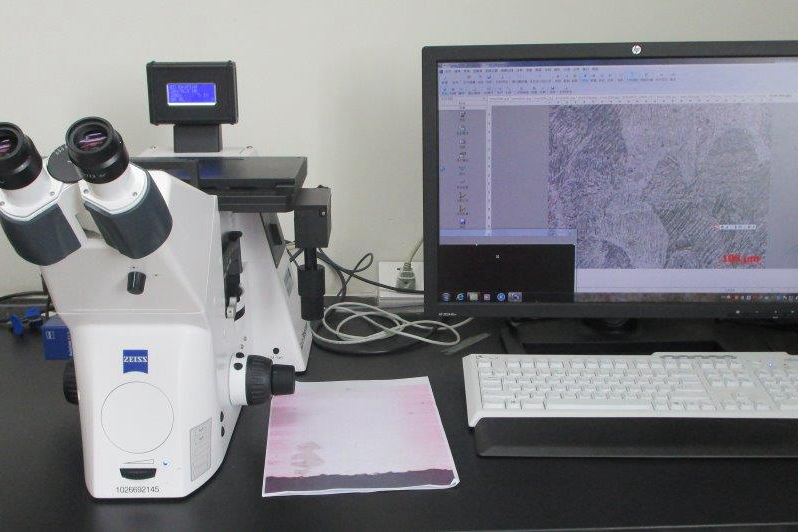
Metallographic analysis and SEM imaging are used to examine γ/γ′ phase distribution, grain size, dendrite orientation, and carbide formation. These assessments confirm whether heat treatment and casting methods achieved the intended microstructure. Internal defects are evaluated with advanced material testing and analysis and non-destructive methods such as industrial CT scanning.
Chemical Verification and Corrosion Testing
Chemical verification ensures precise alloy composition, especially for corrosion-resistant grades like Monel 400 and Hastelloy X. Corrosion and oxidation testing simulate harsh service environments to assess material stability during prolonged exposure to high temperature combustion gases and aggressive media.
Integration With Post-Processing
After treatments such as HIP, heat treatment, or precision superalloy CNC machining, testing verifies improvements in mechanical performance and dimensional accuracy. Successful results provide certification data for safety-critical service applications.
In summary, testing methods provide vital assurance that superalloy components will perform reliably at the operational limits of engineering design.