Aerospace-Grade Metal Conveyor System Accessories Fabrication Plant
A conveyor-system-accessory RFQ should define the carried load, heat zone, wear surface, and assembly interface before the material route is selected. In high-temperature or aerospace-adjacent production systems, accessories can include guide rails, carrier shoes, clips, rollers, brackets, wear pads, sensor mounts, heat shields, chain-adjacent inserts, and fixture details. These parts may not be aircraft hardware, but they can still need high-temperature alloy behavior, stable machining, and clear inspection evidence when they operate near furnaces, heat-treatment lines, or precision handling equipment.
NewayAeroTech supports high-temperature conveyor accessories through vacuum investment casting, special alloy casting, CNC machining, heat treatment, post-process work, and material testing. A useful buyer RFQ separates the accessory's role: load support, sliding wear, positioning, heat shielding, sensor location, or replaceable protection surface. That role decides whether the route should be cast, machined, forged, or prototyped first.
Define load, heat, and wear boundaries before material review
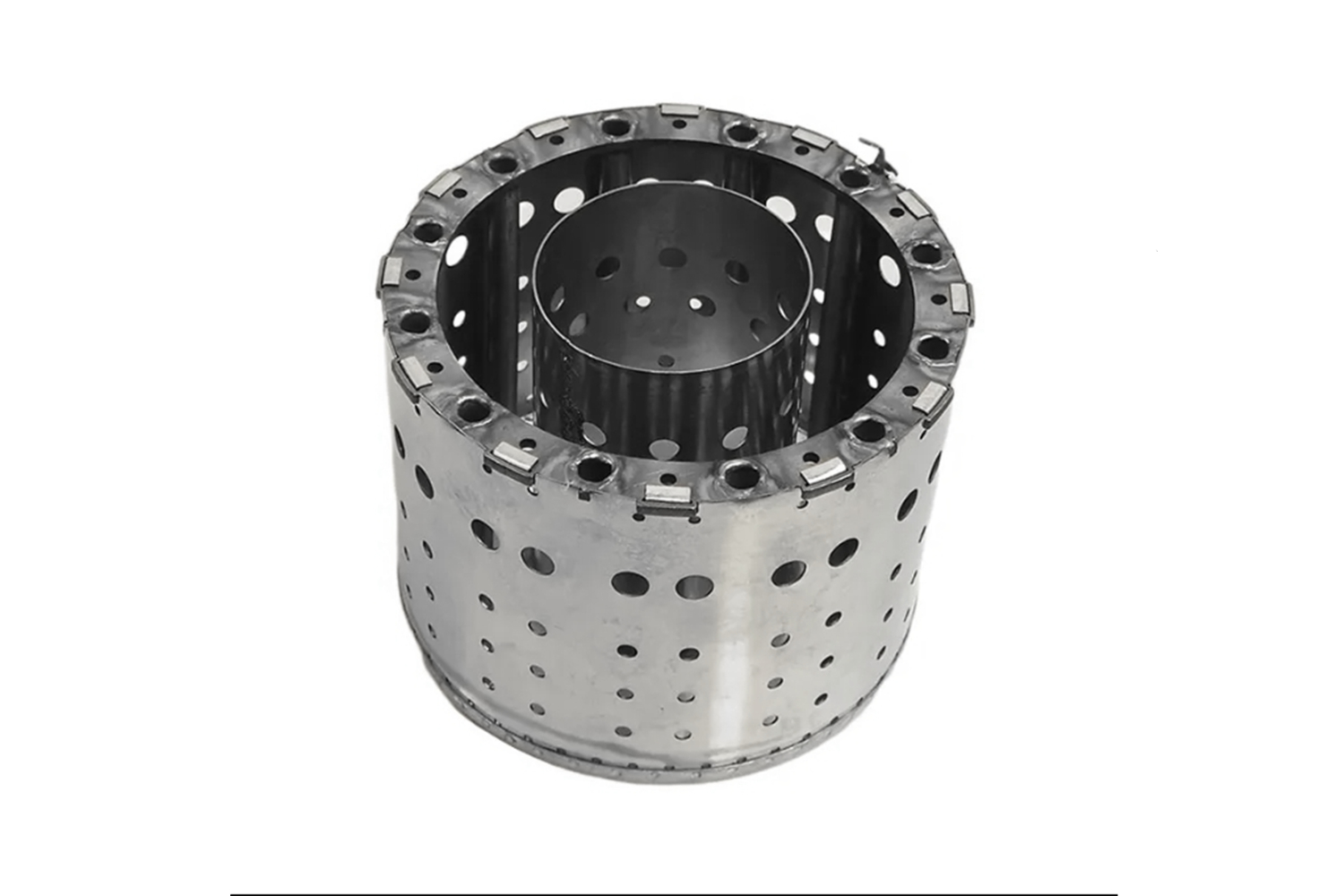
The first engineering step is to identify where the accessory sits in the conveyor system. A carrier shoe may carry weight and slide against a track. A guide rail may control alignment and see repeated contact. A bracket may only hold a sensor or shield. A heat-zone clip may need oxidation resistance and spring-like retention. A roller-adjacent insert may need wear resistance and stable bore geometry. Each component has a different material and machining priority.
The RFQ should state operating temperature, load direction, sliding or rolling contact, exposure to scale or debris, cleaning medium, and whether the part is a replaceable wear item or a structural support. A replaceable wear pad can be designed with a different inspection plan from a load-bearing bracket. A heat shield can tolerate different surfaces from a guide rail that controls product position. The supplier needs this information before it can make a useful route recommendation.
When a used accessory is supplied as a sample, wear patterns should be described. Polished tracks, scored edges, oxidized surfaces, cracked tabs, or distorted holes can show the actual service problem. They should not automatically become the nominal geometry of the new part. Buyers should identify which surfaces are worn, which features are still reliable references, and whether a drawing update is expected.
Select alloy by temperature, contact behavior, and fabrication route
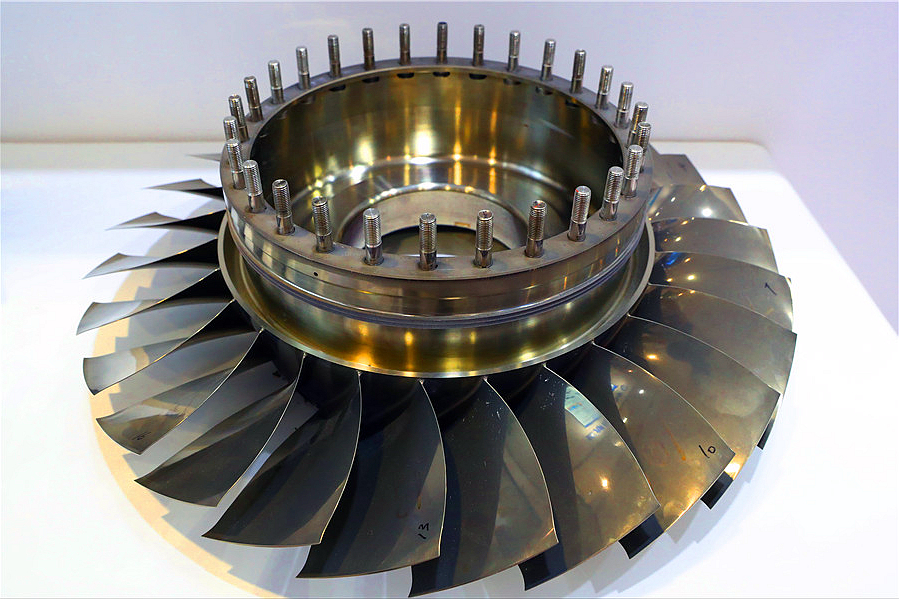
High-temperature conveyor accessories may use nickel, cobalt, stainless, titanium, or other special alloys depending on the operating zone. Inconel alloy casting may be reviewed for heat and oxidation resistance. Stellite alloy casting may be reviewed where wear behavior is central. Hastelloy alloy casting may be considered if corrosion or chemical exposure is also part of the service condition.
The material decision should follow the accessory's contact behavior. A sliding shoe needs surface compatibility with the rail. A carrier fixture needs dimensional stability. A heat-zone clip needs resistance to oxidation and thermal cycling. A sensor bracket needs location accuracy and stable threads. A shielding plate may need form stability more than high hardness. Buyers should state the failure mode they are trying to solve: wear, distortion, oxidation, corrosion, loose mounting, or poor repeatability.
Aerospace-grade wording should not be treated as a substitute for engineering requirements. If the accessory supports aerospace and aviation production equipment, the RFQ should still list the actual environment and inspection needs. The supplier can then align alloy choice with manufacturability instead of guessing from an industry phrase.
Choose casting, machining, or prototype route by accessory shape
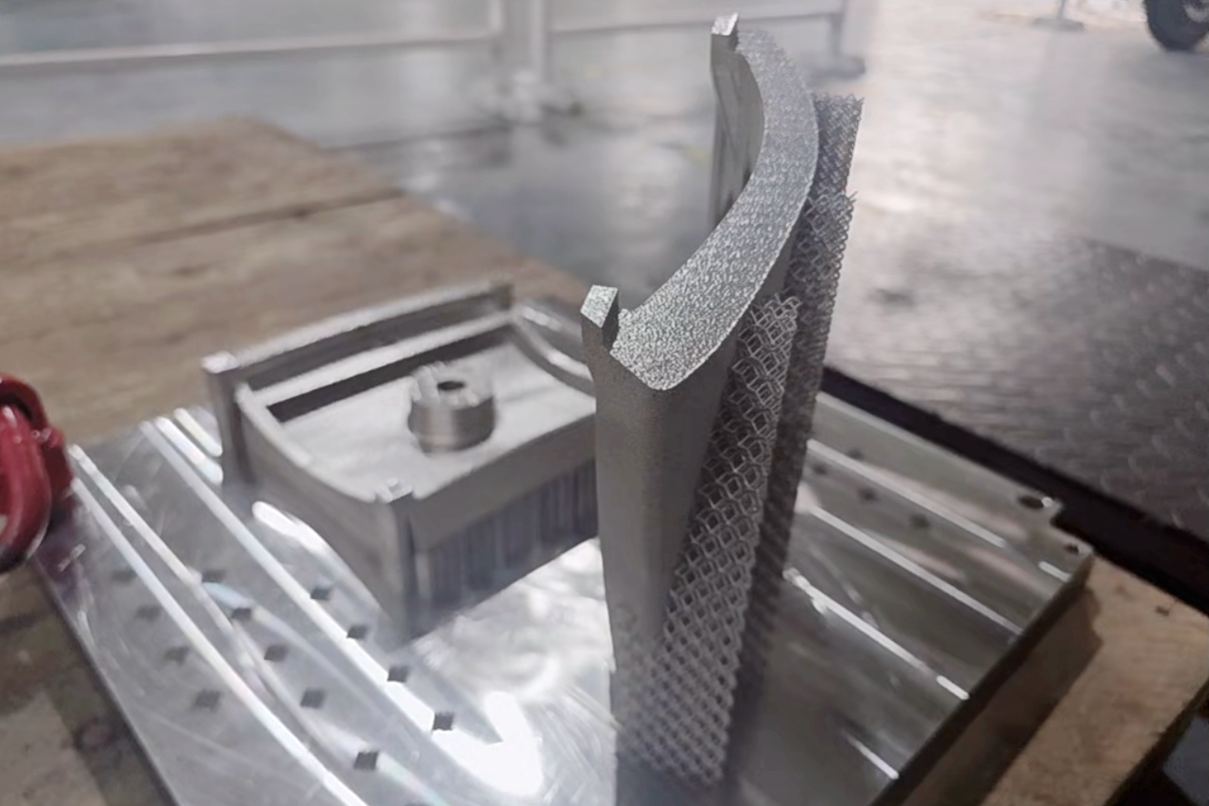
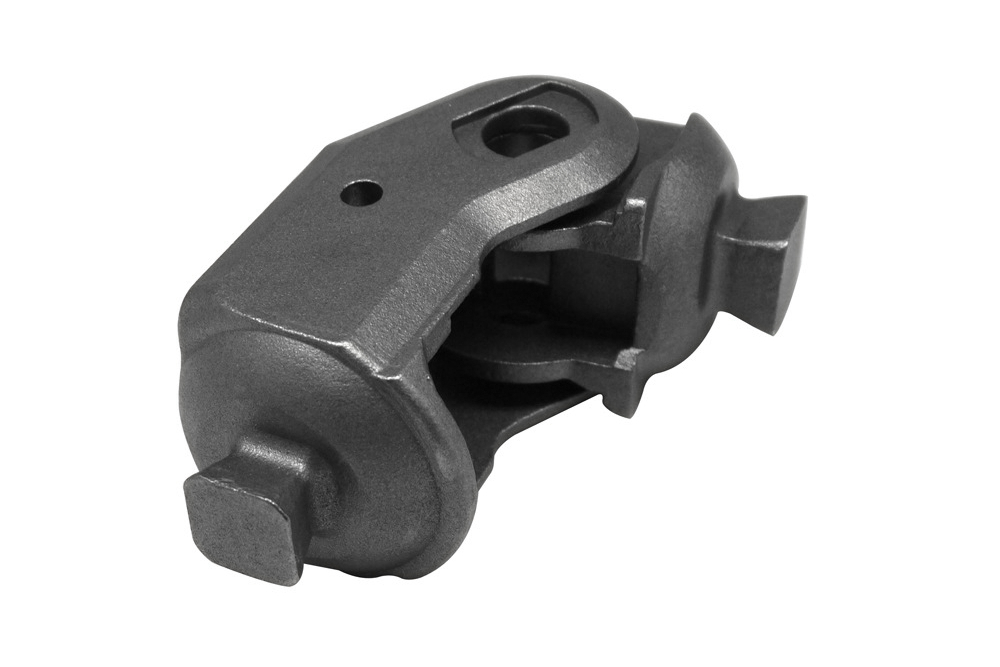
Investment casting can be useful for compact carriers, shaped brackets, curved guides, lugs, hooks, and heat-zone accessories with geometry that would waste material in billet machining. Casting can provide near-net form while leaving stock on holes, slots, contact faces, and mounting pads. It also requires tooling, gating review, shrinkage control, surface cleanup, and first-article measurement. The buyer should define whether NewayAeroTech is quoting a casting blank or a finished machined accessory.
Superalloy CNC machining controls the final fit of slots, bores, threads, contact surfaces, and mounting holes. Simple blocks, spacers, and rail sections may be more practical as machined parts. Thin or long accessories may need special fixturing to prevent distortion during machining. The route should be chosen by feature density, quantity, and final tolerance priority.
Rapid prototype pieces can be useful when the buyer is still checking carrier clearance, sensor position, or contact geometry. A prototype can confirm assembly and handling before a more durable alloy route is chosen. It should be labeled as a prototype route, not treated as proof that the final cast or machined part will behave the same way under heat and wear.
Manage heat treatment and dimensional stability before final machining
Heat treatment may be required for selected alloys, but it should be sequenced with final machining. Conveyor accessories often include long rails, thin tabs, or asymmetric brackets that can move during thermal processing. If holes, slots, or contact faces are critical, the supplier may need rough machining, heat treatment, and finish machining to protect the final geometry.
Dimensional stability is important when these accessories work in groups. A rail, carrier, and bracket may all need to align. A small hole-position error can accumulate across several stations. A heat-zone clip may lose function if the bend, slot, or mounting ear shifts. The RFQ should mark which dimensions control interchangeability and which are only clearance surfaces.
Post-process work should protect contact surfaces, threads, and mounting faces. Blasting, polishing, cleaning, and handling can change the useful surface if they are not controlled. If a wear surface or sliding track needs a specific finish, it should be identified before processing.
Build inspection evidence around fit, wear, and repeat assembly
Material testing and analysis should support the accessory's actual duty. A cast carrier may need material chemistry, visual inspection, dimensional reporting, penetrant inspection, and radiographic review where applicable. A machined rail or wear pad may need flatness, straightness, surface finish, hole position, hardness checks where required, and edge-condition review. A bracket or sensor mount may need thread and location inspection.
The inspection plan should separate wear features from installation features. A sliding face needs surface condition and geometry. A mounting slot needs position and width. A heat shield needs contour and mounting fit. A carrier shoe may need contact area and overall height. If the accessory works as part of a set, the buyer should state whether parts are inspected individually or as a matched group.
Non-destructive testing should be chosen by risk. Penetrant inspection may help identify surface-breaking discontinuities. Radiographic review may be considered for suitable castings with internal soundness concerns. CMM inspection may be more useful for machined features and assembly datums. The RFQ should identify which evidence matters to the buyer's acceptance decision.
Use first-article checks to prove fit before small-batch supply
Conveyor accessories often look inexpensive until the first batch is installed and several parts have to line up across the same rail, carrier, or heat-zone frame. A first article should verify more than material grade. It should confirm contact-face height, slot width, hole position, straightness, heat-treatment movement, surface finish, and whether the accessory can be installed without forcing the surrounding assembly. If the part is cast, the first article should also review stock distribution and as-cast surface condition before repeat production.
Small-batch supply needs a repeatable fixture and inspection plan. A one-piece prototype may be adjusted by hand, but a batch of carriers or guides needs consistent datums and a stable measurement method. Buyers should identify whether parts are interchangeable, paired, or matched to specific conveyor stations. That information changes how the supplier plans marking, inspection records, and packaging.
If the RFQ is based on a worn sample, the first article should be compared against both the sample and any updated drawing notes. Wear patterns can help define contact surfaces, but acceptance should be based on agreed geometry, not damaged service condition. This step is especially useful when the buyer is replacing older conveyor accessories without complete drawings.
What to send for a conveyor system accessory RFQ
A clear RFQ includes drawings, 3D models, sample photos if available, operating temperature, carried load, contact surface, wear history, material preference, quantity range, assembly role, heat-treatment expectations, and inspection requirements. For energy, chemical-processing, or high-temperature production equipment, the working environment matters more than a broad industry label.
The supplier response should separate material review, casting or machining route, prototype assumptions, heat-treatment sequence, post-process scope, machining stock, inspection evidence, and open questions. If the accessory is a replaceable wear item, that should be stated. If it is a structural support or precision guide, the quote should identify the dimensions and surfaces that control assembly.
NewayAeroTech's role is to connect high-temperature alloy manufacturing with practical conveyor accessory requirements. A well-formed RFQ lets the supplier recommend a route that handles heat, wear, repeat assembly, and small-batch supply without turning the project into a generic metal part order.
Related FAQs
What materials are best suited for manufacturing aerospace-grade conveyor system accessories?
How does rapid prototyping help in the development of conveyor system accessories?
What role does heat treatment play in improving the performance of conveyor system accessories?
How do non-destructive testing methods detect defects in conveyor system accessories?
What are the key challenges in manufacturing high-performance conveyor system accessories?