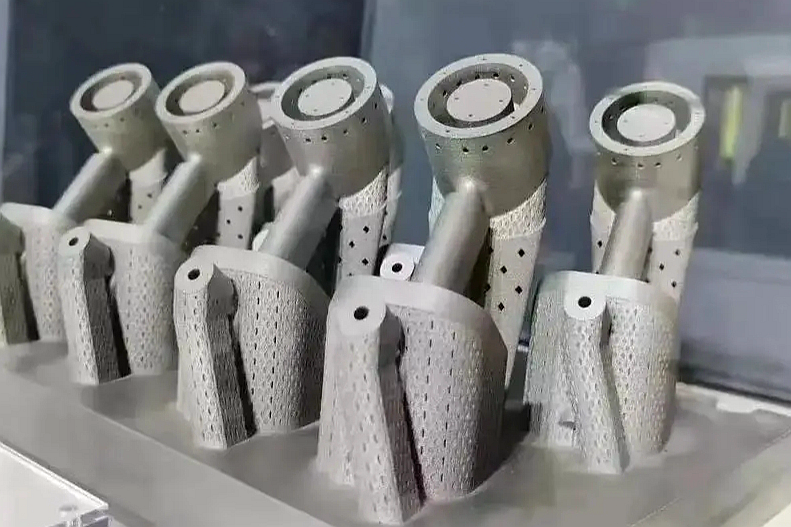
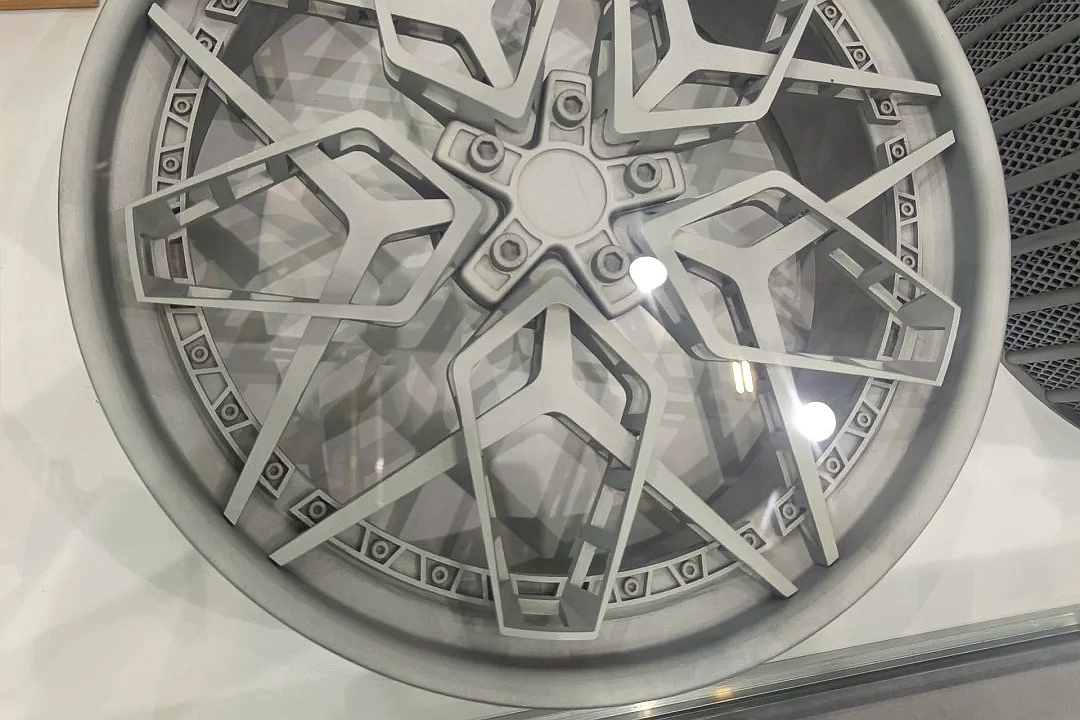
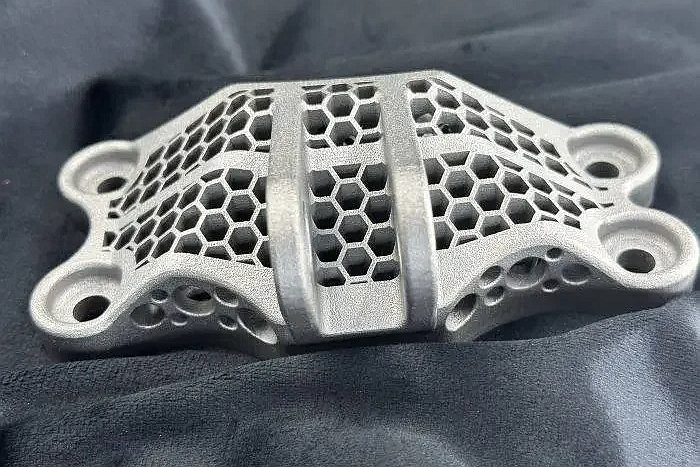
AlSi10Mg
مقدمة عن المادة
تُعد سبيكة AlSi10Mg واحدة من أكثر سبائك الألومنيوم استخدامًا في التصنيع التجميعي، ومعروفة بهيكلها خفيف الوزن، وقابليتها الممتازة للصب، وخصائصها الميكانيكية القوية بعد المعالجة الحرارية. يحتوي تركيبها على حوالي 10% من السيليكون وكميات صغيرة من المغنيسيوم، مما يوفر نسبة استثنائية بين القوة والوزن وصلابة محسنة مقارنة بسبائك الألومنيوم التقليدية. عند معالجتها عبر طباعة الألومنيوم ثلاثية الأبعاد، تظهر سبيكة AlSi10Mg هياكل مجهرية دقيقة، ودقة أبعاد عالية، وأداءً مستقرًا، مما يجعلها مناسبة للتطبيقات الهندسية ذات الدرجة الصناعية. توفر السبيكة توصيلًا حراريًا ممتازًا، ومقاومة للتآكل، وقوة تحمل للإجهاد المتكرر، مما يجعلها مثالية لدعامات الفضاء الجوي، والمبادلات الحرارية، ومكونات العلبة، وأجزاء السيارات خفيفة الوزن. مع قدرات الانصهار المتقدم لسرير المسحوق بالليزر لدى Neway، يمكن لأجزاء AlSi10Mg تحقيق خصائص قريبة من الخصائص المصبوبة مع تمكين أشكال هندسية لا يمكن إنتاجها بالصبات أو التشغيل التقليدي.

جدول التسميات الدولية
المنطقة / المعيار | التسمية / التعيين |
|---|---|
أوروبا (EN) | AlSi10Mg |
الولايات المتحدة الأمريكية (ASTM) | A360 أو سبائك صب Al-Si-Mg المماثلة |
ألمانيا (DIN) | GX10 |
الصين (GB/T) | عائلة ZL101 المكافئة |
اليابان (JIS) | درجة AC4C المماثلة |
خيارات المواد البديلة
يمكن اختيار عدة سبائك ألومنيوم وسبائك خفيفة الوزن كبدائل لـ AlSi10Mg اعتمادًا على الأداء الحراري والميكانيكي والبيئي المطلوب. للحصول على قوة أعلى ومقاومة للحرارة، قد يُفضل طباعة السبائك الفائقة ثلاثية الأبعاد لبيئات الفضاء الجوي أو توليد الطاقة ذات المتطلبات العالية. عندما تكون هناك حاجة إلى توافق محسن مع البيئات المسببة للتآكل، يمكن النظر في سبائك ألومنيوم-مغنيسيوم أو سبائك ألومنيوم مشغولة من السلسلة 6000/7000. في تطبيقات الطباعة ثلاثية الأبعاد التي تتطلب مطيلية أكبر، توفر مواد ألومنيوم عالية الأداء مثل Scalmalloy (Al-Mg-Sc) أو AlSi7Mg استطالة محسنة. لتحقيق أقصى تحسين لنسبة القوة إلى الوزن، يمكن أيضًا اختيار مواد التيتانيوم مثل Ti-6Al-4V (TC4) أو مساحيق الألومنيوم المركبة.
الغرض التصميمي لـ AlSi10Mg
تم تطوير سبيكة AlSi10Mg في الأصل لتطبيقات الصب الدقيق التي تتطلب سيولة عالية، وخصائص ممتازة لملء القوالب، وانكماشًا منخفضًا. يعزز محتواها العالي من السيليكون قابلية الصب ويقلل من احتمالية التشقق الساخن، بينما يوفر المغنيسيوم قدرات التقسية بالترسيب التي تزيد من القوة ومقاومة الإجهاد المتكرر. مع تقدم التصنيع التجميعي، أصبحت السبيكة مناسبة بشكل طبيعي لعمليات انصهار سرير المسحوق بسبب سلوك الانصهار المتوقع لها، والتوسع الحراري المنخفض، وقدرتها على تكوين هياكل مجهرية دقيقة من خلال التصلب السريع. تجعل هذه الخصائص سبيكة AlSi10Mg مناسبة بشكل خاص للأجزاء الوظيفية خفيفة الوزن، وهياكل تبديد الحرارة، وقنوات التبريد المطابقة، والمكونات التي تستفيد من الهندسة المحسنة أو تقليل الكتلة. يتمثل الغرض التصميمي لها في الطباعة ثلاثية الأبعاد في تحقيق أجزاء ألومنيوم قوية وموثوقة مع عمر إجهاد متكرر محسن واتساق هيكلي عالي.
التركيب الكيميائي (بالوزن %)
العنصر | النسبة الوزنية (%) |
|---|---|
Si | 9.0–11.0 |
Mg | 0.25–0.45 |
Fe | ≤0.55 |
Cu | ≤0.05 |
Mn | ≤0.45 |
Zn | ≤0.10 |
Ti | ≤0.15 |
أخرى | ≤0.05 لكل عنصر |
Al | الباقي |
الخصائص الفيزيائية
الخاصية | القيمة |
|---|---|
الكثافة | 2.67 جم/سم³ |
نطاق الانصهار | 570–590 درجة مئوية |
التوصيل الحراري | ~150 واط/م·كلفن |
التوصيل الكهربائي | متوسط |
معامل المرونة | 70 جيجا باسكال |
معامل التمدد الحراري | 20–22×10⁻⁶ /كلفن |
الخصائص الميكانيكية (التصنيع التجميعي + المعالجة الحرارية)
الخاصية | القيمة |
|---|---|
قوة الشد القصوى | 420–480 ميجا باسكال |
قوة الخضوع | 250–320 ميجا باسكال |
الاستطالة | 6–12% |
الصلادة | 110–130 HB |
قوة التحمل للإجهاد المتكرر | جيدة |
كفاءة تقليل الكثافة | ممتازة |
خصائص المادة
توفر سبيكة AlSi10Mg مزيجًا مثاليًا من الكثافة المنخفضة، وجودة السطح العالية، والقوة الميكانيكية التنافسية، مما يجعلها سبيكة مرغوبة للغاية في التصنيع التجميعي. إن كتلتها المنخفضة، مقترنة بالقوة المعززة بالسيليكون، تمكن المهندسين من تطوير أجزاء خفيفة الوزن دون التضحية بالمتانة. يجعل التوصيل الحراري الممتاز للسبيكة منها الخيار المثالي للمبادلات الحرارية، وعلب الإلكترونيات، وهياكل التبريد عالية الكفاءة. ينتج عن التصلب السريع أثناء الطباعة ثلاثية الأبعاد هياكل مجهرية خلوية دقيقة تحسن بشكل كبير من القوة ومقاومة الإجهاد المتكرر مقارنة بـ AlSi10Mg المصبوب. كما تستجيب السبيكة جيدًا للشيخوخة الاصطناعية، مما يسمح بتحسينات إضافية في القوة من خلال التقسية بالترسيب. مقاومة التآكل قوية في البيئات الجوية العامة والبحرية بفضل طبقة الأكسيد الواقية. إن سلوكها الميكانيكي المستقر تحت الحمل الدوري يجعلها مناسبة لمكونات الفضاء الجوي والسيارات الحرجة فيما يتعلق بالإجهاد المتكرر. تظهر سبيكة AlSi10Mg أيضًا استقرارًا جيدًا في الأبعاد وتشوهًا منخفضًا أثناء الطباعة، مما يجعلها مادة مثالية للأجزاء الميكانيكية الدقيقة، والأشكال الهندسية ذات الجدران الرقيقة، والهياكل المعقدة المحسنة طوبولوجيًا.
أداء عملية ا�تصنيع
تتوافق سبيكة AlSi10Mg بشكل كبير مع انصهار سرير المسحوق بالليزر نظرًا لانخفاض درجة حرارة انصهارها، وسيولتها الممتازة، وسلوكها الحراري المتوقع. تنتج مكونات كثيفة وعالية الجودة مع مسامية دنيا، خاصة عند معالجتها تحت ظروف طباعة محسنة. على الرغم من استخدامها أساسًا في التصنيع التجميعي، يمكن أيضًا تصنيع سبيكة AlSi10Mg باستخدام الصب الاستثماري الفراغي للمكونات القريبة من الشكل النهائي. تؤدي السبيكة أداءً جيدًا في هذه العملية بفضل سيولتها العالية وميلها المنخفض للتشقق الساخن. سلوك التشغيل الآلي جيد بشكل عام، ولكن يجب الانتباه إلى تزييت الأدوات وإزالة الرايش، حيث تميل السبيكة إلى تكوين حافة متراكمة. عند تشطيب المكونات المعقدة، يمكن تطبيق عمليات مثل تشغيل السبائك الفائقة بواسطة CNC لضمان دقة الأبعاد. تتوافق السبيكة مع الحفر وتشطيب الجدران الرقيقة، على الرغم من تفضيل الأدوات عالية السرعة. يمكن أيضًا استخدام التفريغ الكهربائي (EDM) عند إنشاء قنوات داخلية دقيقة أو انتقالات حادة. في سير عمل التصنيع التجميعي، تستفيد سبيكة AlSi10Mg بشكل كبير من المعالجة الحرارية وعمليات تشطيب السطح، مما يضمن أداءً مستقرًا وموثوقية عبر التطبيقات الصناعية.
المعالجات اللاحقة القابلة للتطبيق
تعد المعالجة اللاحقة أمرًا بالغ الأهمية لإطلاق الإمكانات الميكانيكية الكاملة لـ AlSi10Mg. تزيد المعالجة الحرارية بالمحلول متبوعة بالشيخوخة الاصطناعية من الصلادة، وقوة الشد، وعمر الإجهاد المتكرر. يمكن لـ HIP عبر الضغط المتساوي الحرارة الساخن القضاء على المسامية وزيادة استقرار الهياكل المجهرية. تعمل طرق تشطيب السطح مثل الكشط بالكرات، والتلميع الكيميائي، والأنودة، والتشغيل الآلي على تحسين جودة السطح وتعزيز مقاومة التآكل. بالنسبة للمكونات عالية الأداء، يضمن ضمان الجودة من خلال اختبار وتحليل المواد الامتثال لمعايير شهادات الفضاء الجوي والصناعية.
التطبيقات الشائعة
تُستخدم سبيكة AlSi10Mg على نطاق واسع في صناعة الفضاء الجوي للدعامات خفيفة الوزن، والعلب، وهياكل القنوات، ومكونات الطائرات بدون طيار، حيث يعد تحسين نسبة القوة إلى الوزن أمرًا حاسمًا. يجعل توصيلها الحراري الممتاز منها أيضًا الخيار الأول للمبادلات الحرارية، ولوحات التبريد، وعلب الإلكترونيات. في هندسة السيارات، تُ�تخدم سبيكة AlSi10Mg لمكونات التعليق، والدعامات الهيكلية، وأجزاء الأداء خفيفة الوزن. إن سلوك السبيكة الشبيه بالصب ومقاومتها القوية للإجهاد المتكرر يجعلها خيارًا طبيعيًا للآلات الصناعية، والأذرع الروبوتية، والمعدات التي تتطلب الدقة والمتانة. وبالإضافة إلى الصناعات التقليدية، يوسع التصنيع التجميعي استخدامها لتشمل الإلكترونيات الاستهلاكية، وأدوات الإدخال ذات قنوات التبريد المطابقة، والتجميعات الميكانيكية المخصصة وخفيفة الوزن.
متى تختار AlSi10Mg
اختر سبيكة AlSi10Mg عندما تكون هناك حاجة إلى أداء خفيف الوزن، وكفاءة التكلفة، وخصائص ميكانيكية جيدة. إنها مثالية للمكونات التي يؤثر فيها تقليل الوزن مباشرة على كفاءة الوقود، أو السرعة، أو المناولة، مثل دعامات الفضاء الجوي أو هياكل السيارات. هذه السبيكة هي الخيار المثالي للتصاميم التي تتطلب توصيلًا حراريًا ممتازًا، مما يجعلها مناسبة للاستخدام في المبادلات الحرارية ووحدات التبريد. عند إنتاج هياكل محسنة طوبولوجيًا أو هياكل شبكية، توفر سبيكة AlSi10Mg استقرارًا قويًا في الأبعاد وقابلية طباعة متسقة. كما أن سبيكة AlSi10Mg مناسبة عندما تكون هناك حاجة إلى مقاومة التآكل دون الحاجة إلى سبائك أكثر تكلفة. ومع ذلك، عندما تكون هناك حاجة إلى قوة عالية للغاية، أو قدرة على تحمل درجات الحرارة العالية، أو أداء فائق للإجهاد المتكرر، فقد تصبح سبائك التيتانيوم أو السبائك الفائقة القائمة على النيكل أكثر ملاءمة.
استكشف المدونات ذات الصلة