
مسبك التشكيل الدقيق لريش التوربينات من سلسلة CMSX
مقدمة عن تشكيل ريش توربينات CMSX
تمثل سلسلة CMSX (سبائك فائقة تجريبية من الكوبالت والموليبدينوم) عائلة من السبائك الفائقة أحادية البلورة عالية الأداء التي تم تطويرها لريش التوربينات في الجيل التالي من التوربينات الغازية الصناعية والفضائية. نيواي إيروسبيس هو مسبك تشكيل دقيق متخصص يتمتع بقدرات متقدمة في تصنيع ريش توربينات سلسلة CMSX، بما في ذلك CMSX-4، و CMSX-10، و CMSX-486.
تتيح عمليات التشكيل الدقيق لدينا سلامة هيكلية عالية، وتوجه حبيبي متسق، ودقة أبعاد لريش التوربينات الدوارة والثابتة الحرجة.
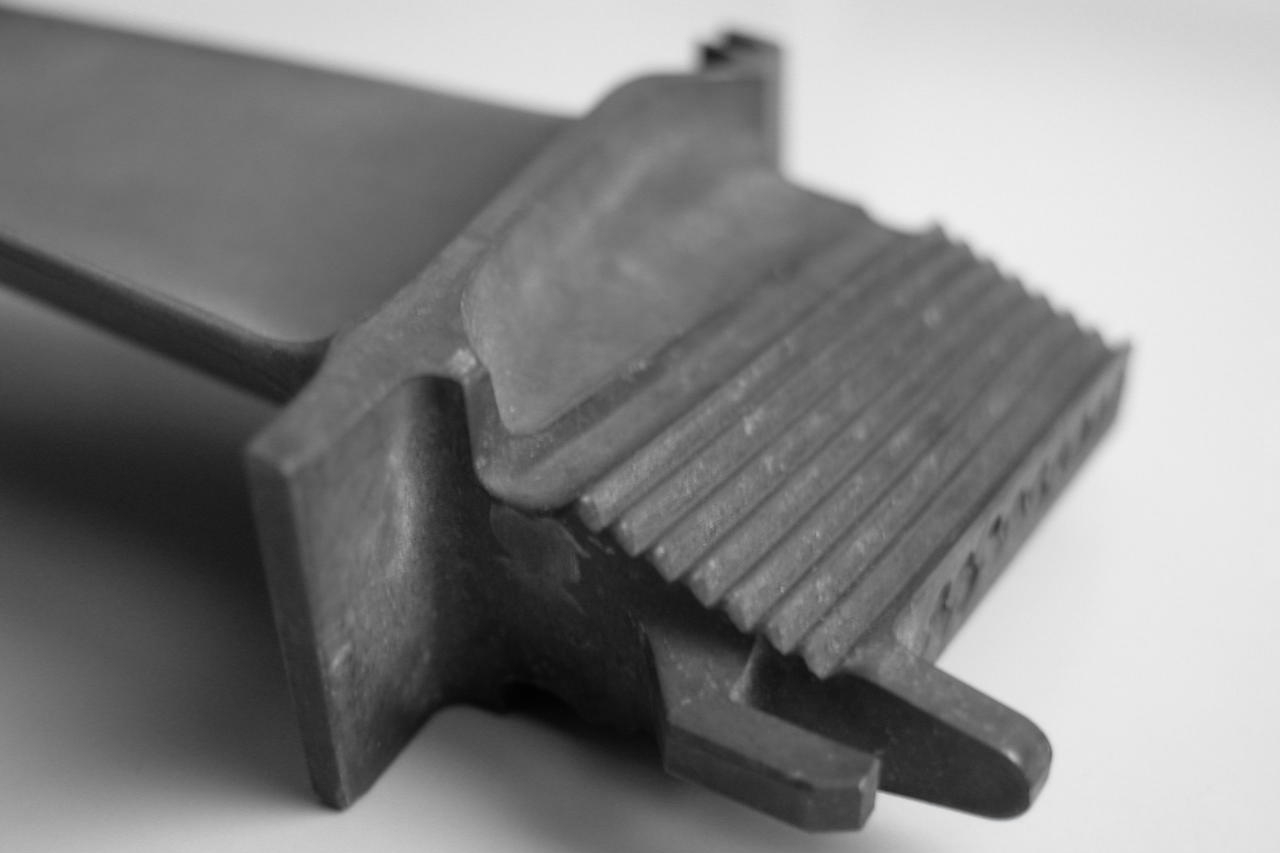
لماذا تختار التشكيل لريش توربينات CMSX؟
بينما ترتبط سبائك CMSX عادةً بالصب، فإن مكونات CMSX المشكلة تقدم فوائد في تطبيقات محددة حيث تكون القوة الاتجاهية وسلامة السطح المتفوقة ضرورية:
تحسين التحكم الحبيبي: يقوم التشكيل متساوي الحرارة أو بالقوالب الساخنة بمحاذاة الحبيبات لتحسين مقاومة الزحف والتعب.
جودة سطح متفوقة: الأسطح المشكلة أقل مسامية ولديها عيوب صب أقل.
دقة أبعاد عالية: يقلل التشكيل من هدر المواد ويحسن اتساق التسامح.
سلامة هيكلية: تظهر الريش المشكلة مقاومة أفضل للصدمات الحرارية وانتشار التشققات.
التحديات الأساسية في تشكيل سبائك CMSX
التحدي | الحل |
|---|---|
نافذة درجة حرارة تشكيل ضيقة (~1100–1180°C) | قوالب تشكيل متقدمة للتحكم في درجة الحرارة ومحاكاة حرارية |
حساسية معدل الانفعال | سرعات تشكيل مضبوطة وأنظمة مكابس متساوية الحرارة |
حساسية الأكسدة | بيئات تشكيل في فراغ أو غاز خامل |
التوجه البلوري | تحضير مسبق للمشغولات الخام موجهة أو تشكيل ببذور لسلامة اتجاهية |
سبائك سلسلة CMSX لريش التوربينات المشكلة
السبيكة | قوة الزحف | أقصى درجة حرارة تشغيل | نوع الحبيبات النموذجي | التطبيق الشائع |
|---|---|---|---|---|
ممتازة | 1150°C | أحادية البلورة (SC) | ريش توربينات الضغط العالي لمحركات الطائرات النفاثة، ريش التوربينات الغازية الصناعية | |
متفوقة | 1175°C | SC | ريش محركات عسكرية | |
CMSX-486 | ممتازة | 1130°C | SC / DS | ريش توربينات لتوربينات الطاقة |
جيدة جدًا | 1080°C | SC | ريش مخرج الضاغط، قسم ساخن | |
جيدة | 1065°C | اتجاهية | ريش المرحلة الأولى للتوربينات الغازية الصناعية |
تدفق عملية التشكيل الدقيق لريش CMSX
تحضير سبيكة السبيكة
تحضير سبيكة CMSX عالية النقاء عن طريق الصهر بالقوس الفراغي.
مشغولات خام مضبوطة التوجه مسبق التشغيل للتشكيل.
تصميم القالب والمحاكاة
مجموعات قوالب مخصصة مصممة لملف الريشة وميزات التبريد.
استخدام محاكاة العناصر المحدودة للتنبؤ بالانفعال، وتدفق الحبيبات، ومخاطر العيوب.
التشكيل الساخن / متساوي الحرارة
يتم التشكيل عند 1100–1180°C باستخدام قوالب دقيقة.
بيئة خاملة أو فراغية لتقليل الأكسدة.
المعالجة بعد التشكيل
الضغط متساوي الحرارة الساخن (HIP) للقضاء على المسامية المتبقية.
المعالجة الحرارية لتحسين البنية المجهرية غاما/غاما برايم.
التشغيل الآلي بالتحكم الرقمي (CNC) لمقاطع الجذر، والأطراف، وأسطح المنصة.
التفتيش والاختبار
يشمل الاختبار غير الإتلافي (NDT) الفحص بالموجات فوق الصوتية، والأشعة السينية، والتحقق من توجه الحبيبات باستخدام EBSD.
تفتيش أبعادي بدقة ±0.01 مم.
التشكيل مقابل الصب لريش CMSX
الميزة | التشكيل (CMSX) | الصب الاستثماري الفراغي (CMSX) |
|---|---|---|
توجه الحبيبات | اتجاهي / مضبوط | اتجاهي / أحادي البلورة |
جودة السطح | متفوقة | جيدة مع المعالجة الثانوية |
المسامية الداخلية | حد أدنى (مع HIP) | قد تتطلب HIP |
مرونة التصميم | متوسطة | عالية |
تكلفة الإنتاج | أعلى (دفعات صغيرة) | أقل للحجم الكبير |
القوة الميكانيكية | ممتازة | ممتازة |
دراسة حالة: ريش CMSX-4 المشكلة لبرنامج محرك طائرة
تعاونت نيواي إيروسبيس مع مصنع معدات أصلية للفضاء لإنتاج ريش توربينات CMSX-4 المشكلة لتوربين ضغط عالي عسكري المستوى. باستخدام التشكيل المضبوط التوجه، وHIP، ودورة معالجة حرارية متعددة الخطوات، حققنا دقة أبعاد ضمن ±0.01 مم وقمنا بتأكيد محاذاة الحبيبات عبر EBSD. أظهرت الريش المشكلة مقاومة للزحف تزيد عن 1100°C وتحسنًا في متانة الدورات مقارنة بنظيراتها المصبوبة.
الأسئلة الشائعة
هل تقدمون تشكيلًا متساوي الحرارة لريش توربينات CMSX؟
ما هو الحد الأقصى لحجم التشكيل لريش CMSX؟
هل يمكنكم المس�عدة في تصميم القوالب والمحاكاة المادية؟
ما هي علاجات ما بعد المعالجة التي تقدمونها لريش CMSX المشكلة؟
كيف تتحققون من توجه الحبيبات والجودة الداخلية بعد التشكيل؟
