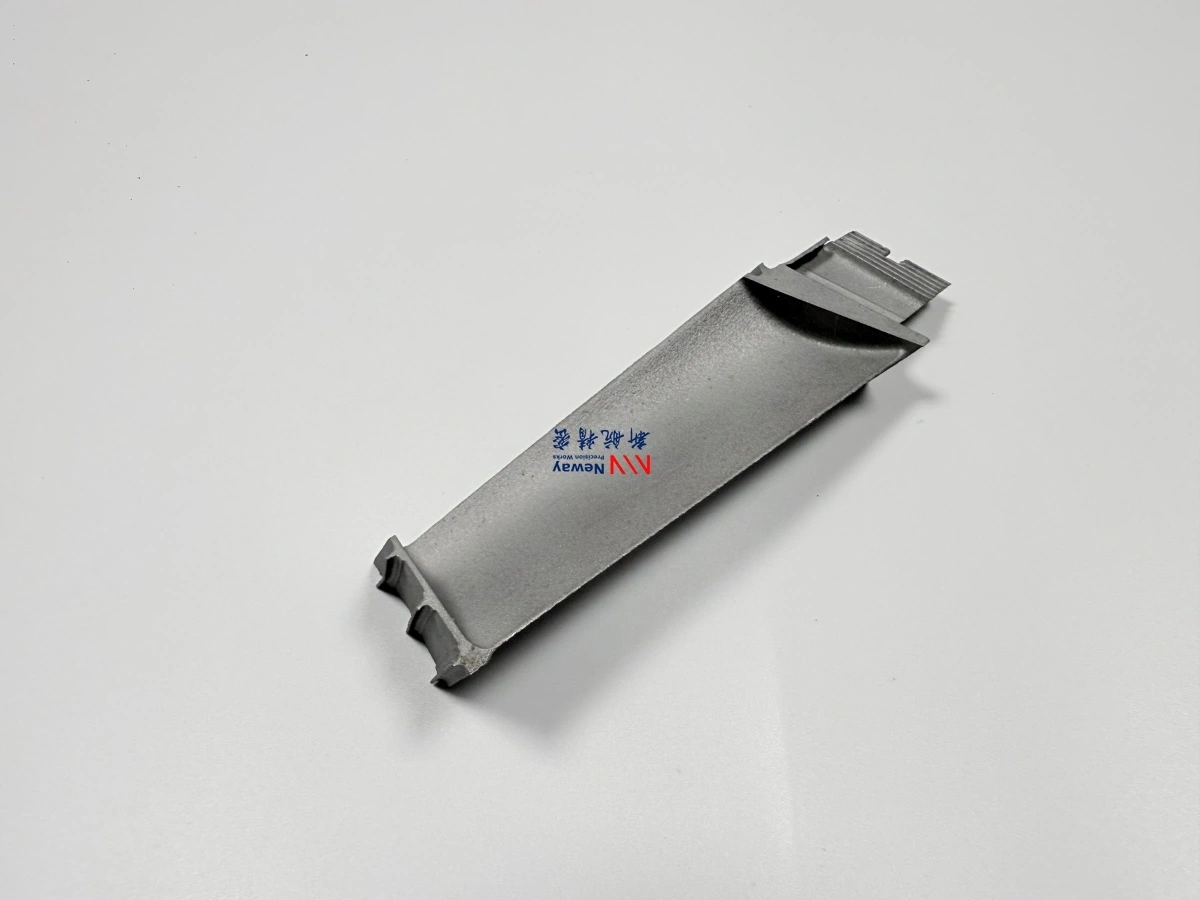
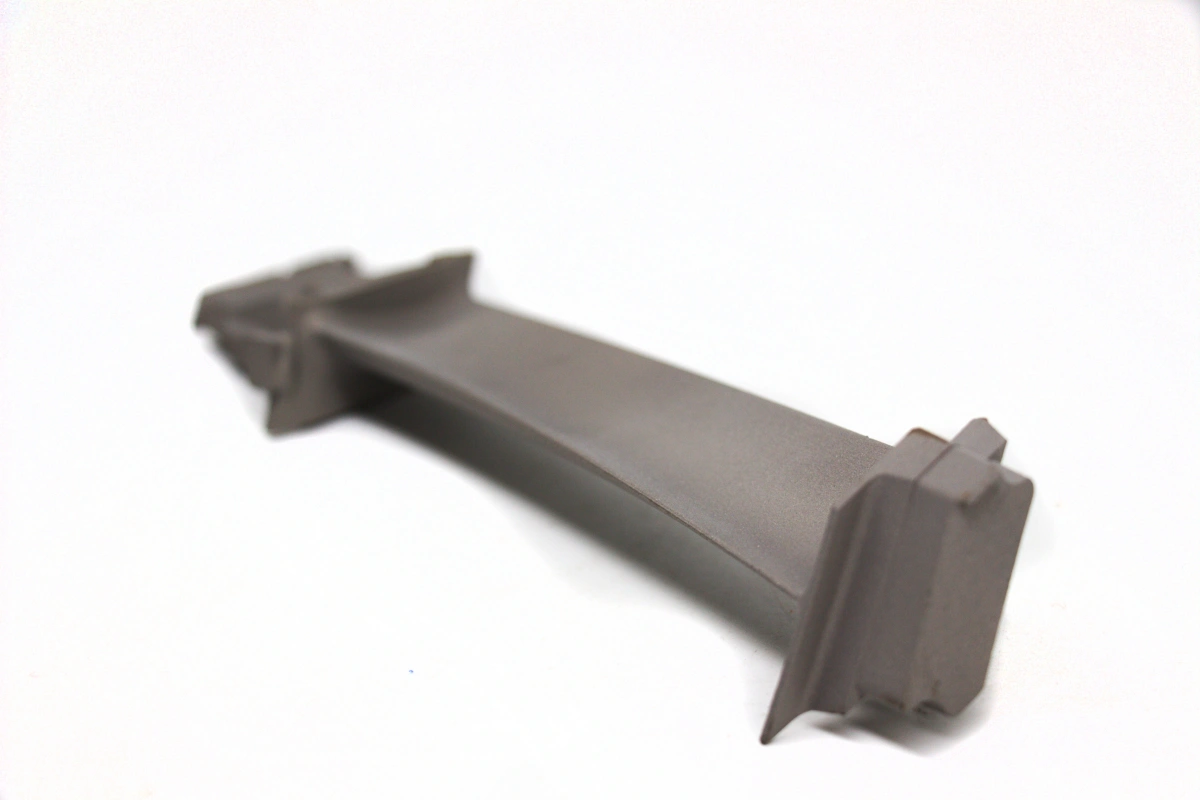
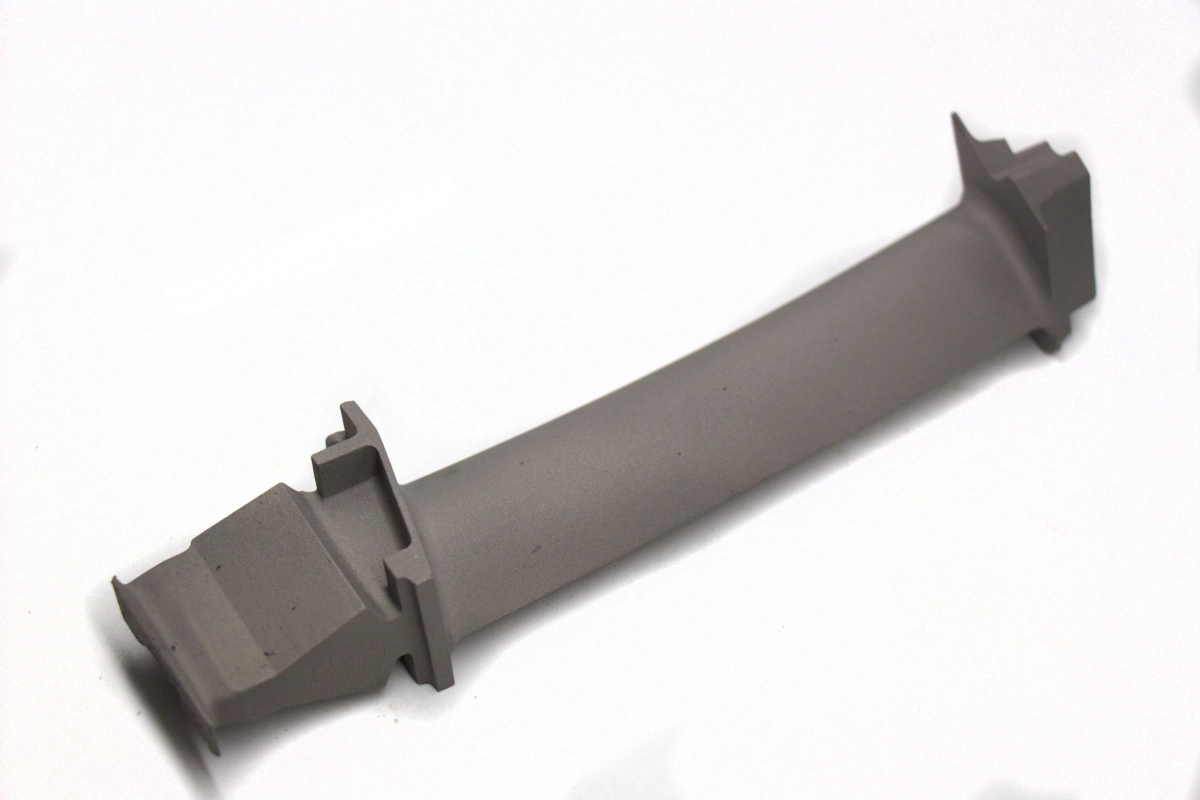
Why is vacuum investment casting preferred for missile components?
Superior Microstructure Control
Missile components demand excellent dimensional consistency and microstructural integrity to withstand extreme dynamic stresses. Vacuum investment casting enables precise control of solidification, reducing segregation and grain boundary defects. Alloys such as PWA 1484 and Rene 104 achieve high-temperature stability when their microstructure is optimized under vacuum-controlled casting conditions.
High Temperature and Creep Resistance
Propulsion and aerodynamic heating subject missile segments to temperatures exceeding 1000 °C. Vacuum investment casting allows the use of nickel-based alloys such as Inconel 738LC, which offers creep resistance and oxidation protection. A controlled mold atmosphere prevents contamination and ensures consistent γ′ precipitation, which is critical for the reliability of missile nozzles and combustion chambers.
Design Flexibility for Complex Geometry
Missile structures frequently involve thin walls, internal cooling channels, and complex aerodynamic surfaces. Vacuum investment casting supports near-net shape fabrication, minimizing material waste and enabling lightweight designs. For components that require directional grain alignment, it can be integrated with superalloy directional casting or evolved into single crystal casting for critical high-heat segments.
Post-Processing for Enhanced Performance
Components produced via vacuum casting typically undergo further strengthening treatments. Hot isostatic pressing (HIP) removes porosity and increases fatigue resistance, while targeted heat treatment stabilizes alloy phases. Final machining with superalloy CNC machining ensures tight tolerances necessary for missile guidance control interfaces.
Aerospace and Defense-Grade Reliability
Vacuum investment casting provides traceability and process repeatability essential for defense applications. The military and defense and aerospace and aviation sectors require strict certification regarding microstructure, strength retention, and corrosion performance—making vacuum casting the most reliable route for safety-critical missile components.