What is the typical lead time for manufacturing superalloy valve components?
Introduction
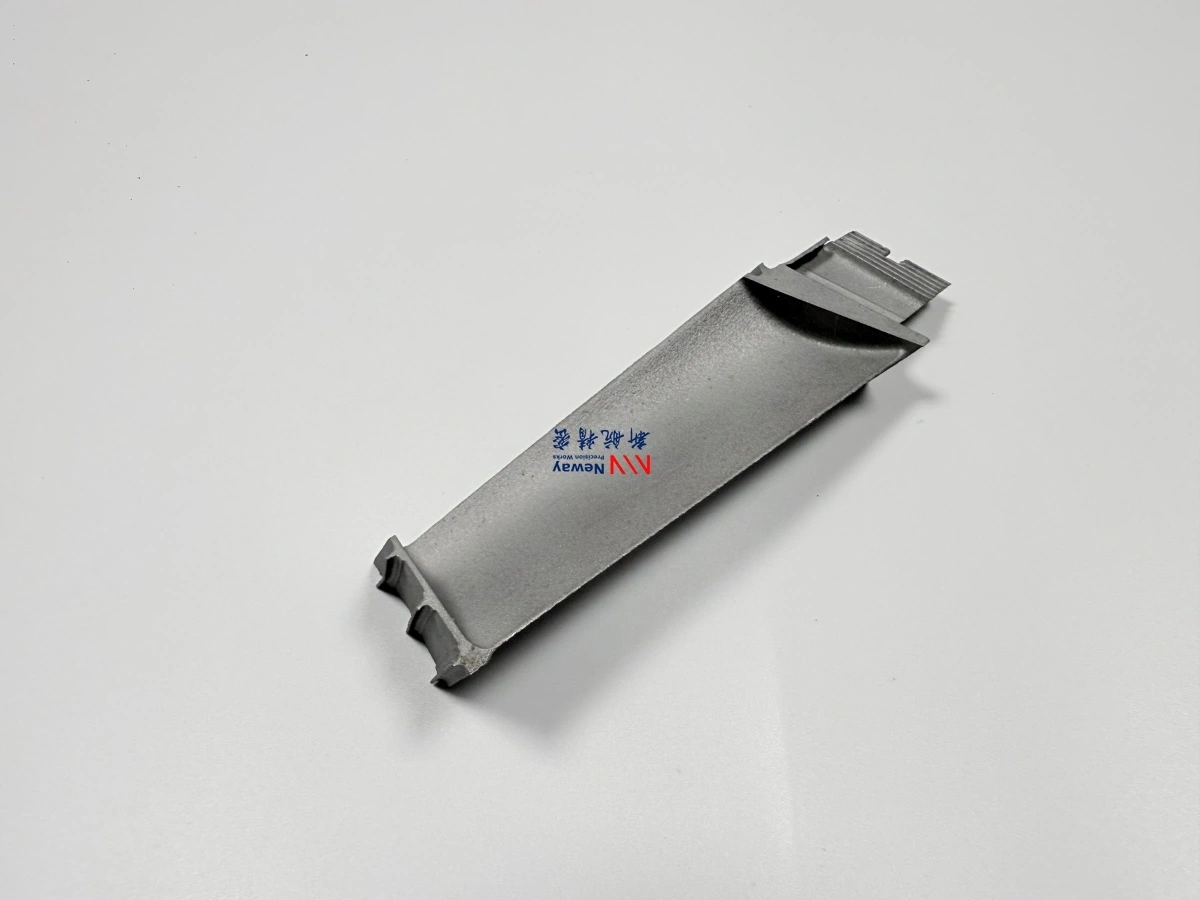
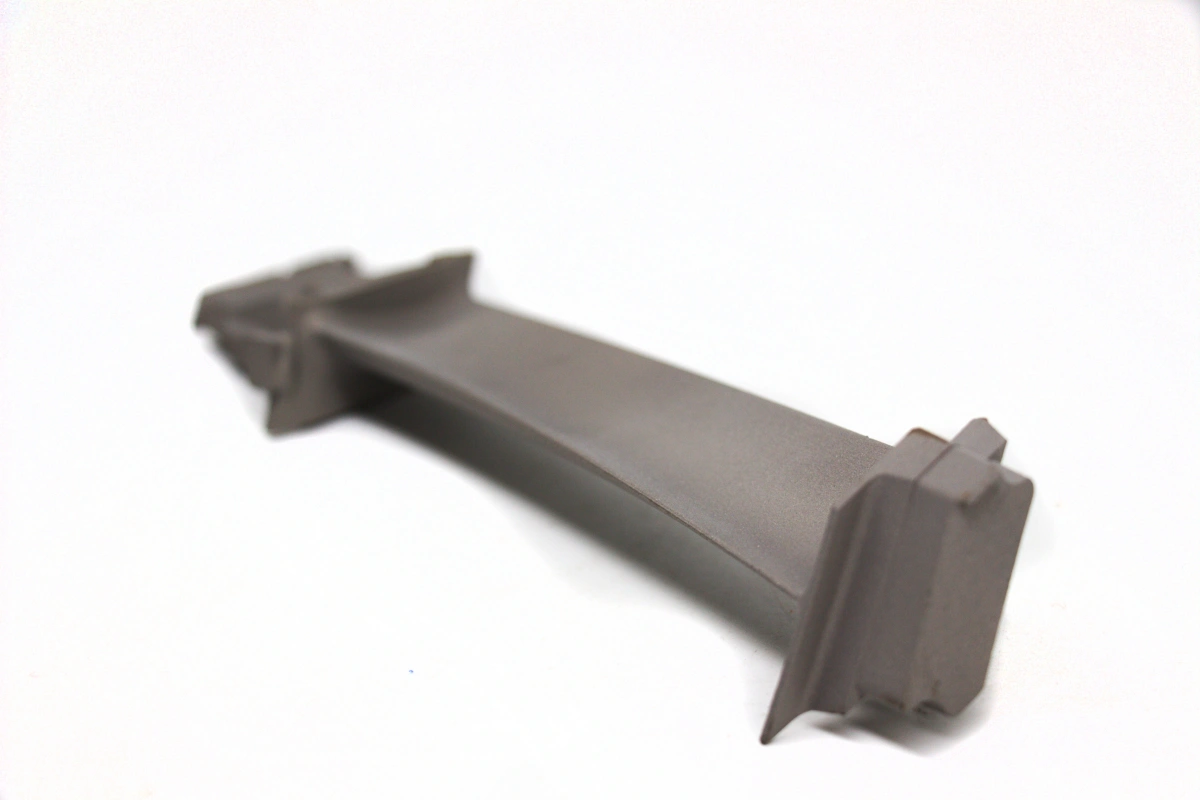
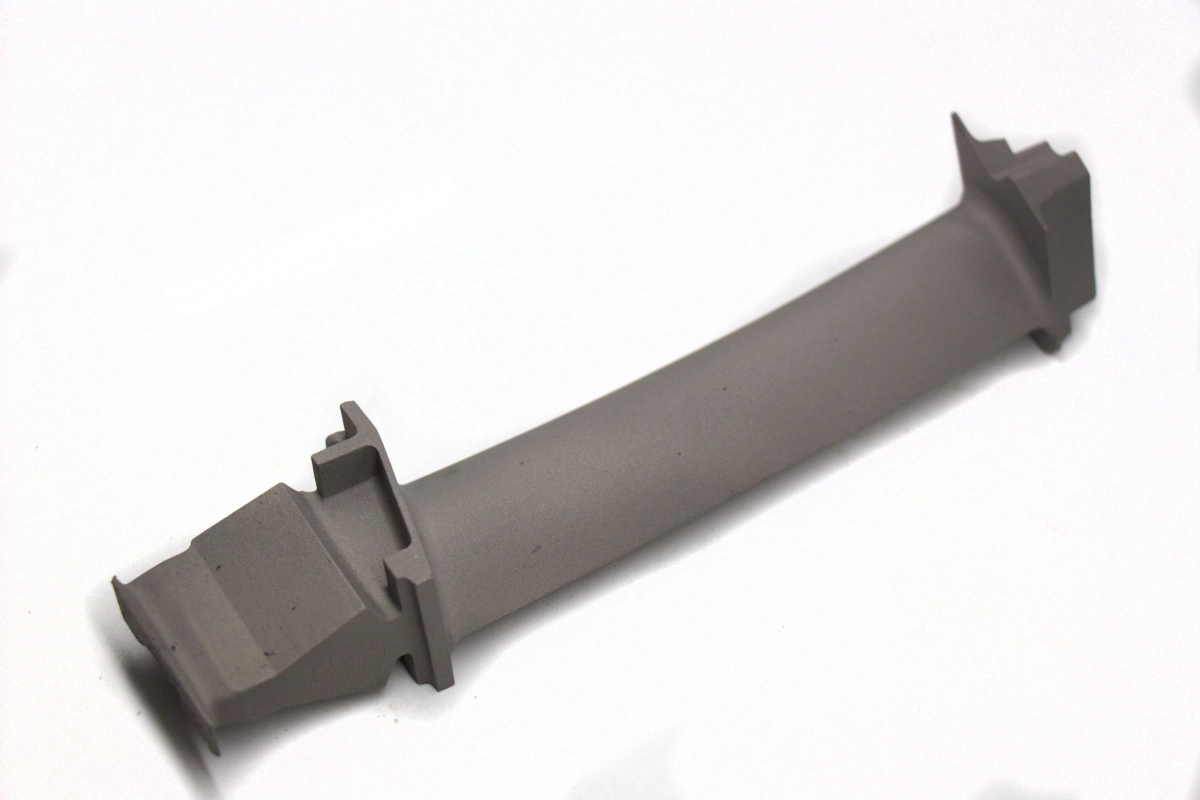
Manufacturing superalloy valve components involves multiple high-precision stages — from casting and machining to surface treatment and inspection. Due to the demanding quality standards in sectors such as aerospace, power generation, and chemical processing, lead times are generally longer compared to conventional materials. The exact schedule depends on the alloy type, production volume, and required certifications.
Core Manufacturing Processes and Their Timelines
Superalloy valve components are produced through several specialized steps. Each process affects the total delivery time:
Vacuum Investment Casting – Mold preparation and casting typically take 3–5 weeks, ensuring the production of low-porosity, defect-free parts.
Superalloy Directional Casting – Adds 1–2 weeks for grain alignment in high-stress applications.
Superalloy Precision Forging – Requires 2–3 weeks, including billet preheating, forging, and intermediate inspection.
Superalloy CNC Machining – Complex geometry machining typically adds 1–2 weeks, depending on the tolerance and surface finish requirements.
Electrical Discharge Machining (EDM) – For critical sealing profiles or internal flow paths, an additional 3–5 days are required.
These steps, taken together, typically form a 6–10 week baseline before post-processing begins.
Post-Processing and Finishing Lead Times
Post-processes enhance durability, mechanical strength, and surface integrity. The following treatments are crucial and time-sensitive:
Hot Isostatic Pressing (HIP) – 5–7 days for densification and flaw elimination.
Superalloy Heat Treatment – 3–5 days, depending on the number of temperature cycles and aging stages.
Thermal Barrier Coating (TBC) – 1 week for coating and curing operations.
Quality validation, including material testing and Analysis, as well as dimensional inspection, extends the schedule by 1–2 weeks.
Influence of Material Selection
Different alloys require unique processing times due to melting points and machining characteristics:
Inconel 625 and Hastelloy C-22 are easier to cast and typically result in reduced lead times.
Stellite 6B adds machining time due to its hardness and wear resistance.
Nimonic 90 demands extended aging for mechanical stability.
Titanium Alloy Ti-6Al-4V may require extra handling under controlled atmospheres, which can slightly increase turnaround times.
Material choice, therefore, contributes significantly to the overall manufacturing duration.
Industrial Demand and Application Impact
Production schedules also depend on the final application sector:
Aerospace and Aviation: up to 14–16 weeks for stringent qualification and certification stages.
Power Generation: 10–12 weeks for high-volume turbine or steam control valves.
Oil and Gas: 8–10 weeks typical, given corrosion-resistant coating and pressure testing requirements.
Conclusion
In most cases, manufacturing superalloy valve components takes between 8 and 16 weeks from mold design to final inspection. Factors such as alloy complexity, process route, and quality verification significantly impact the total lead time. Reliable planning and advanced process control ensure consistent delivery without compromising mechanical integrity or compliance.