How does Vacuum Investment Casting improve the quality of reactor vessel components?
Controlled Solidification and Material Purity
Vacuum Investment Casting significantly enhances the quality of reactor vessel components by ensuring material purity and controlled solidification. In nuclear environments, even minor inclusions or trapped gases can lead to long-term structural instability. Casting inside a vacuum chamber eliminates oxygen and moisture, preventing oxidation and minimizing the formation of micro-defects. This level of control is especially valuable when working with high-performance alloys such as Inconel 600 and Hastelloy C-276, which are selected for their resistance to stress corrosion cracking and thermal degradation within reactor systems.
By avoiding atmospheric contamination, vacuum casting ensures uniform chemical composition across critical sections, reducing the risk of localized failure. This foundational purity is a prerequisite for nuclear-grade performance and traceable certification.
Microstructure Control and Dimensional Accuracy
Reactor vessel components must withstand decades of pressure and radiation exposure. Vacuum castings produced through vacuum investment casting enable precise control over solidification rates, resulting in a refined grain structure and minimized segregation. This results in higher fatigue strength, creep resistance, and resistance to irradiation-induced embrittlement.
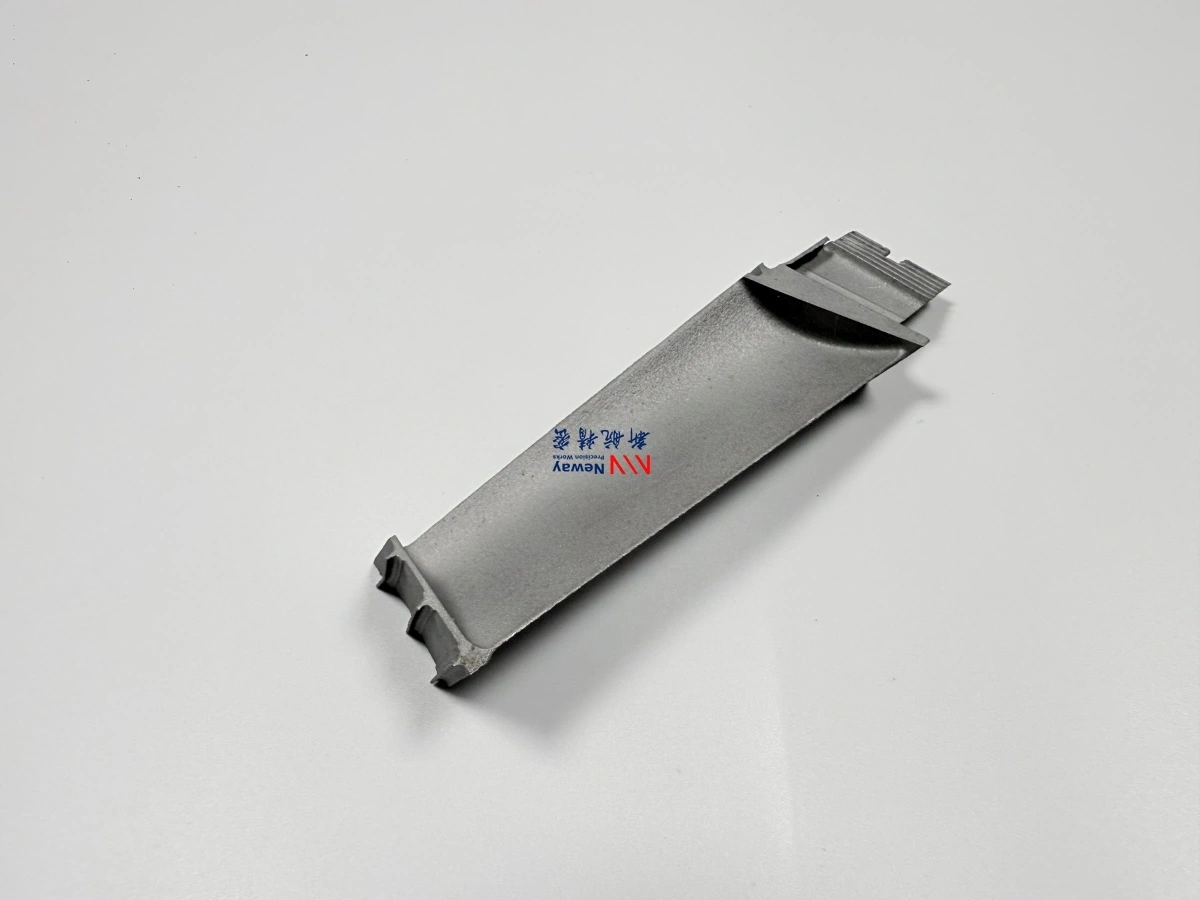
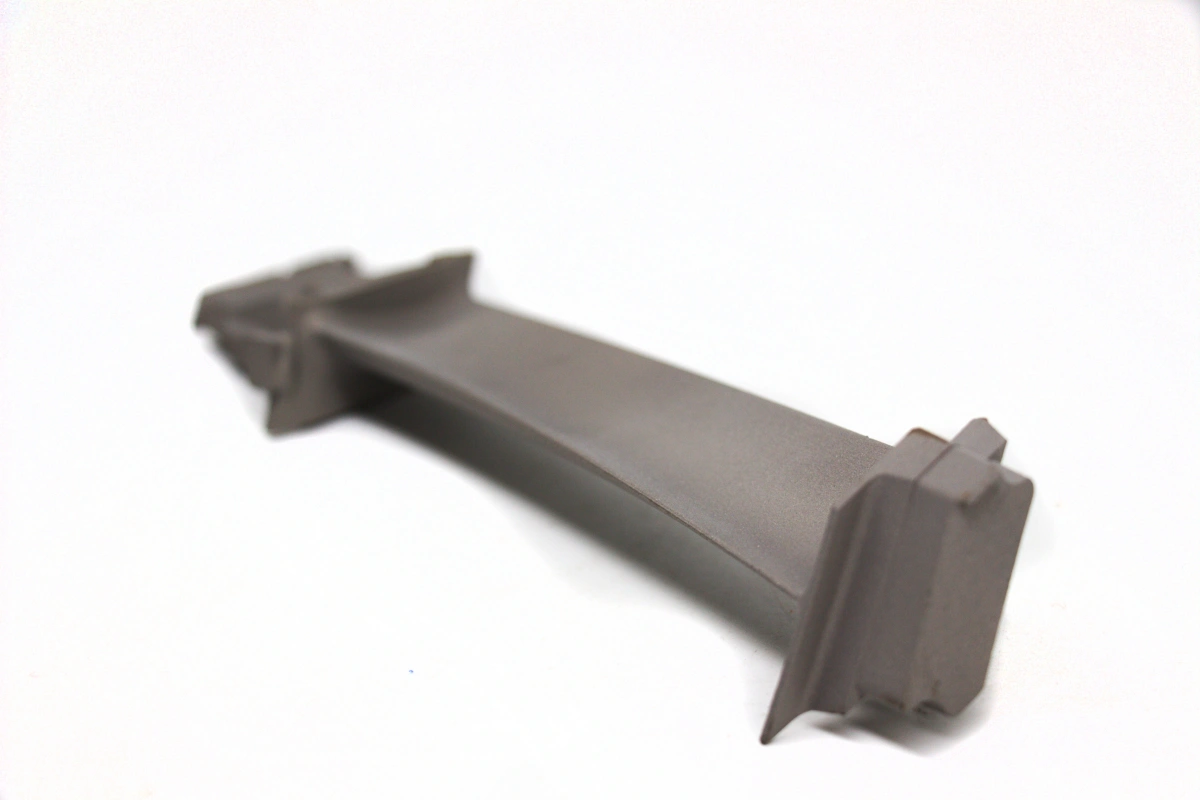
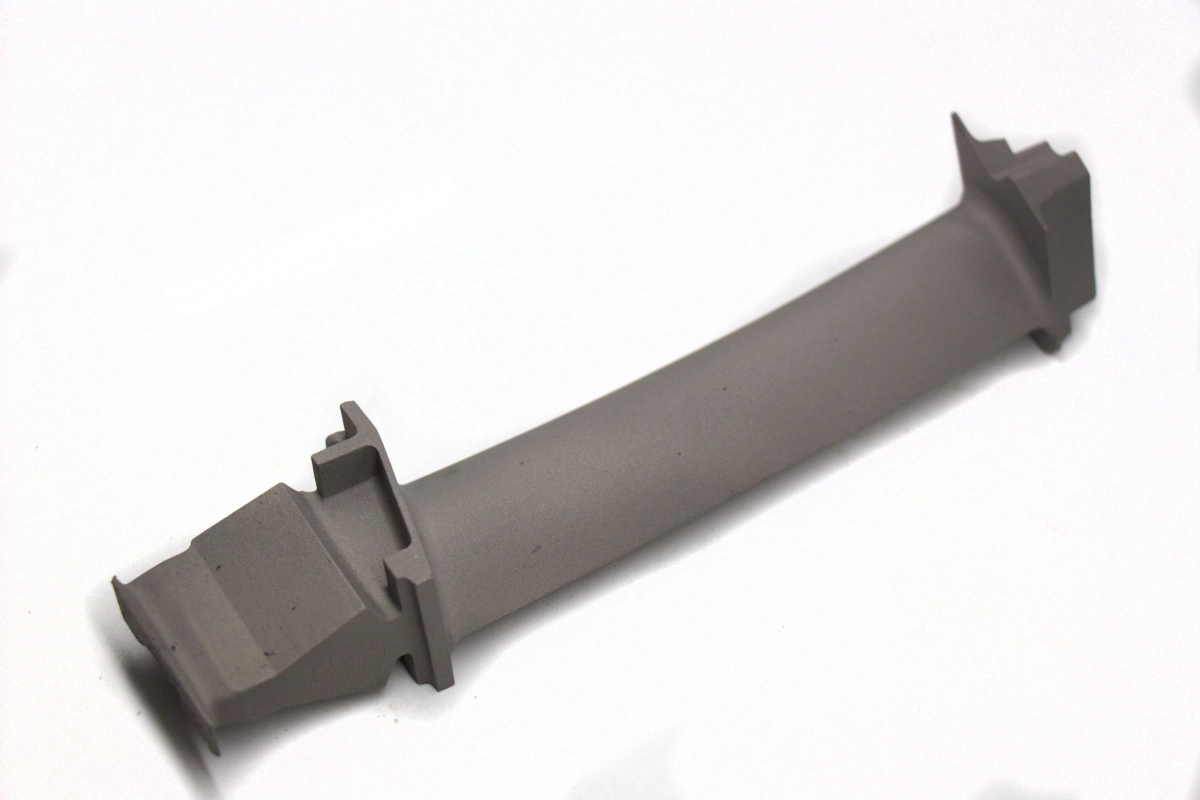
The process supports complex geometries with high-dimensional repeatability, making it suitable for core support structures, fluid flow channels, and shielding elements. For even greater consistency, secondary processes such as hot isostatic pressing (HIP) are often applied to eliminate internal porosity and stabilize mechanical properties.
Integration with Nuclear-Grade Post-Processing
Cast components require microstructural stabilization before entering service. Controlled superalloy heat treatment enhances creep rupture life and improves corrosion resistance in aggressive coolant environments. Components that encounter temperature fluctuations may also require surface protection through thermal barrier coating (TBC) to prevent oxidation and metal fatigue over prolonged service periods.
Prior to deployment, extensive inspection and material testing and analysis validate that all nuclear-grade specifications are met, including grain distribution, density, irradiation resistance, and fracture toughness.
Traceability and Certification Requirements
Vacuum Investment Casting supports full documentation of material batches, process parameters, and post-treatment history—critical for meeting nuclear safety standards. Every stage, from melting to machining, must be traceable and compliant with regulatory guidelines for reactor vessels. The ability to consistently reproduce defect-free castings significantly reduces inspection costs and improves lifecycle predictability, making this process a preferred approach for high-risk components under nuclear-grade manufacturing.