What is shot peening, and how does it boost fatigue resistance in superalloys?
What Is Shot Peening?
Shot peening is a mechanical surface treatment process where small spherical media are projected at high velocity onto the surface of a component. This controlled impact generates plastic deformation at the surface, introducing beneficial compressive residual stresses. In superalloys produced through vacuum investment casting or manufactured via superalloy 3d printing, shot peening is highly effective at reducing surface microcracks and preventing stress concentration, especially in regions subjected to cyclic loading.
Unlike machining or polishing, shot peening is designed not to remove material but to enhance fatigue resistance by strengthening the surface microstructure.
Mechanism for Fatigue Resistance
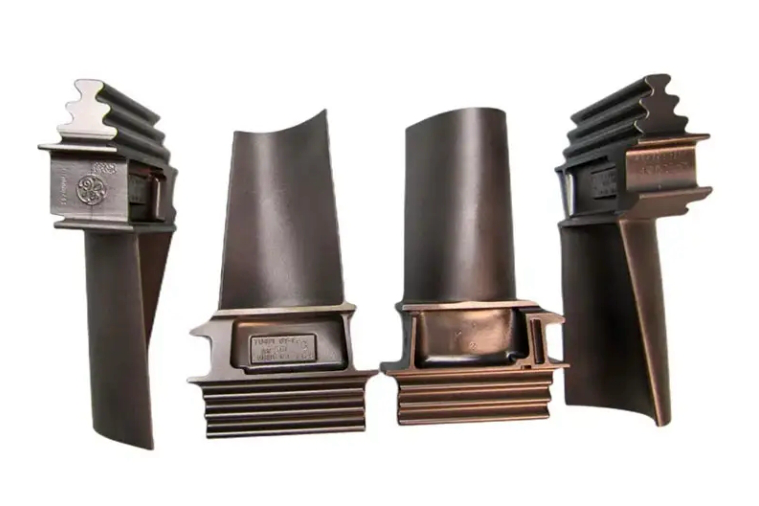
The compressive stress introduced by shot peening counteracts tensile stresses that typically drive crack initiation and propagation. As a result, fatigue life is significantly increased, particularly in high-load areas such as turbine blade roots, nozzle vanes, and rotating parts. When combined with superalloy heat treatment and densification processes like hot isostatic pressing (HIP), shot peening improves both microstructure durability and stress distribution throughout the component.
This surface strengthening method also enhances resistance to fretting, erosion, and thermal fatigue—key factors in high-performance aerospace and industrial environments.
Application in Critical Industries
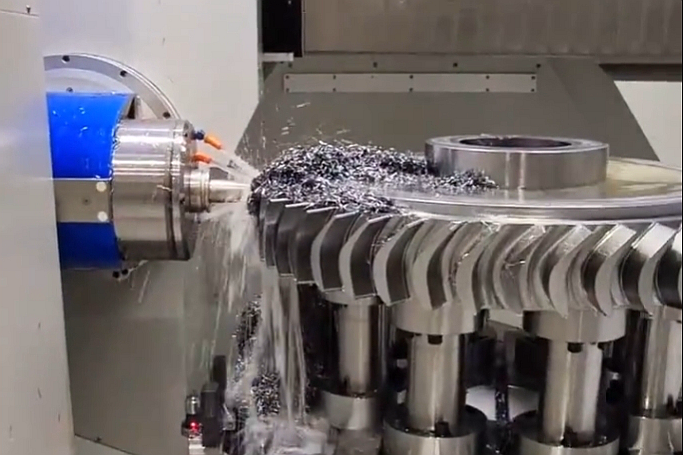
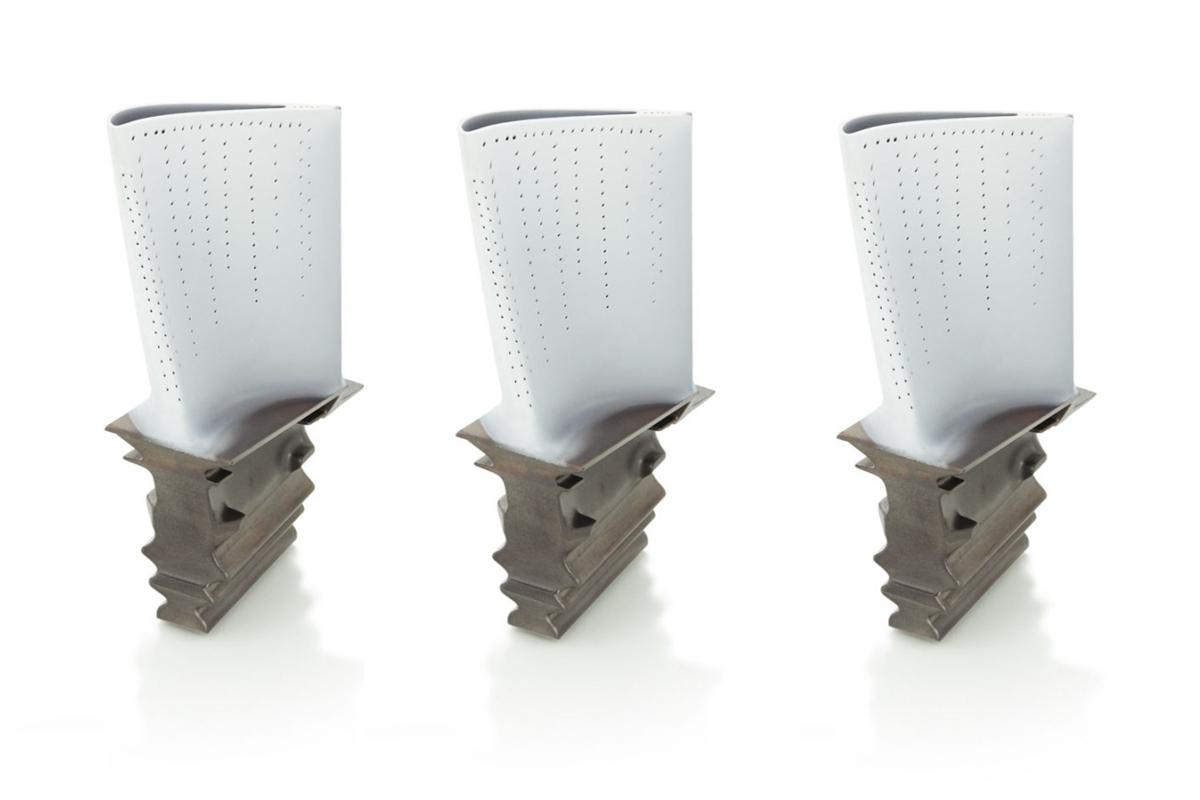
Shot peening is widely adopted in aerospace and aviation, power generation, and oil and gas systems to boost component lifespan and prevent surface failures. After surface peening, critical areas are often finished via superalloy CNC machining or protected with thermal barrier coatings (TBC) to enhance oxidation and thermal resistance.
Combined with advanced material testing and analysis, shot peening ensures that superalloy components meet fatigue-critical specifications and maintain reliability across thousands of service cycles.