What are the key post-processing techniques used to enhance the durability of valve assemblies?
Densification and Structural Integrity Improvement
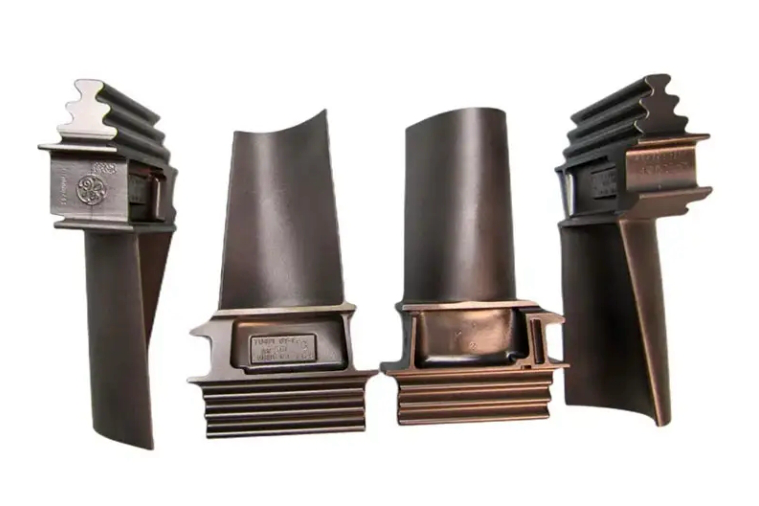
To ensure the long-term performance of high-temperature valve assemblies, one of the most critical post-processing techniques is hot isostatic pressing (HIP). This process applies high temperature and uniform pressure in an inert atmosphere to eliminate internal voids and micro-porosity created during vacuum investment casting or additive manufacturing. The result is a fully dense structure with improved fatigue life and creep resistance—essential for valve components exposed to high thermal cycling in heat exchangers operating within power or energy systems.
Microstructural Optimization Through Heat Treatment
Post-casting superalloy heat treatment plays a key role in enhancing mechanical properties by refining grain boundaries and achieving optimal precipitation hardening. Heat treatment stabilizes the phases in materials such as Inconel 625, Hastelloy C-22, and Rene 77, thereby improving their high-temperature strength and stress rupture resistance. When properly combined with controlled cooling rates, this treatment ensures microstructural uniformity across thick and thin valve sections.
Surface Protection and Thermal Stability
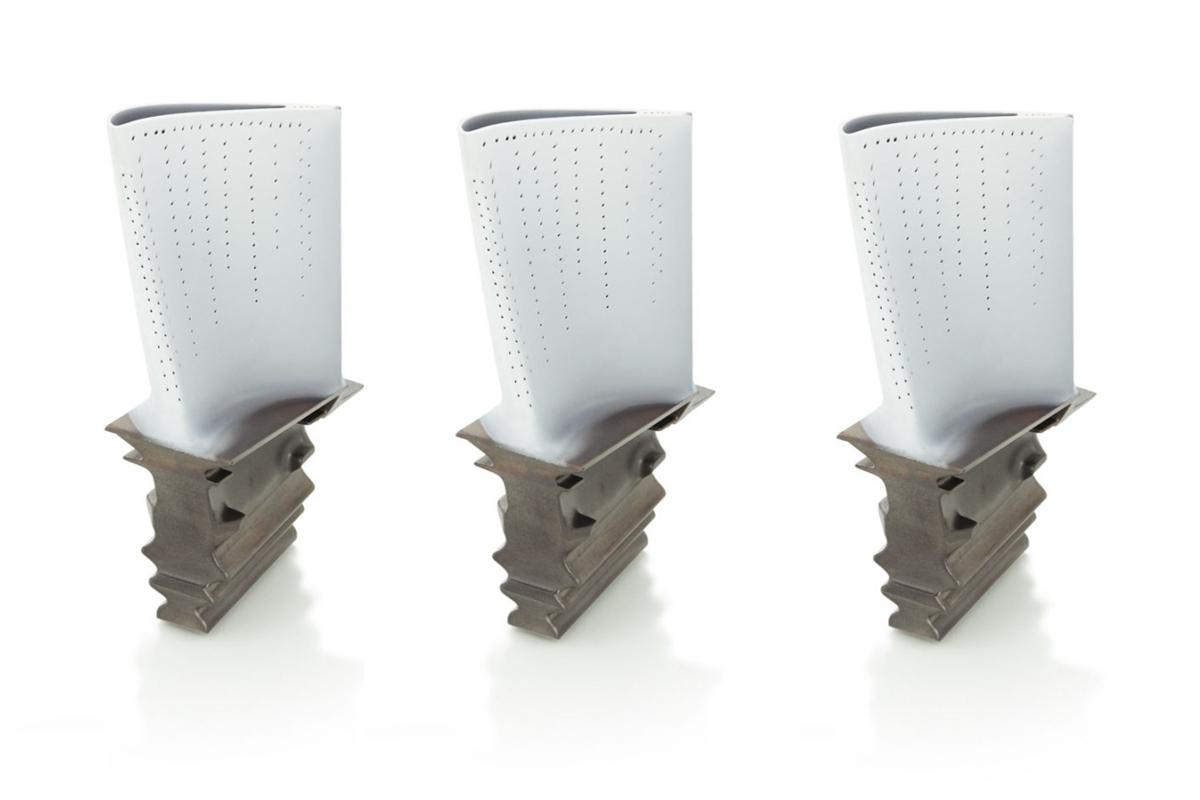
To mitigate oxidation, erosion, and hot-gas corrosion, thermal barrier coating (TBC) is applied to exposed valve surfaces. This ceramic-based coating maintains surface integrity under extreme thermal gradients, significantly extending service life. In chemical or marine environments, additional coatings—such as diffusion aluminides or corrosion-resistant overlays—are integrated to resist salt, acid, and chloride attack on superalloys like Stellite 6 or Nimonic 90.
Precision Finishing and Surface Refinement
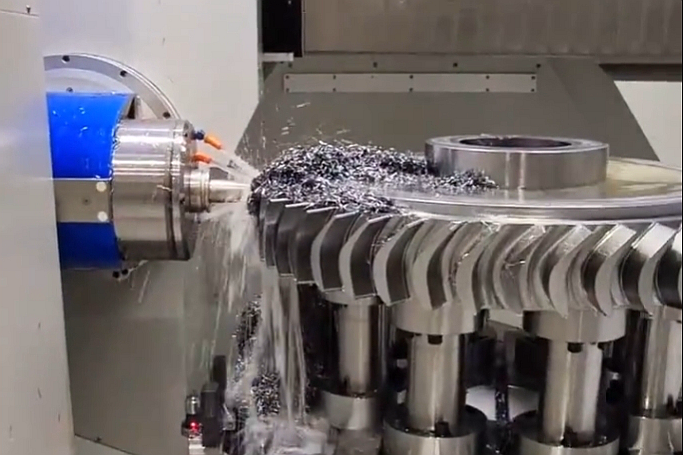
After densification and coating, critical dimensions are restored via superalloy CNC machining. This ensures precise sealing surfaces, concentricity, and valve-seat alignment, which are vital to maintaining leak-tight performance under high-pressure and temperature conditions. For complex geometries, processes such as superalloy electrical discharge machining (EDM) and superalloy deep hole drilling are used to achieve internal channel accuracy without introducing mechanical stress.
Testing and Validation for Operational Reliability
Comprehensive material testing and analysis confirm the effectiveness of all post-processing stages. Non-destructive inspection—such as ultrasonic, X-ray, or metallographic examination—ensures internal soundness before integration into power generation, oil and gas, or chemical processing systems. This end-to-end approach ensures that valve assemblies maintain long-term structural stability, dimensional precision, and resistance to corrosion and fatigue failure.