How does post-processing affect the performance of superalloy firearm parts?
Importance of Post-Processing for Firearm Superalloy Parts
Post-processing is essential for transforming raw superalloy blanks into functional firearm accessories that can withstand high-pressure gas flow, cyclic loading, and thermal shock during rapid firing. Without proper post-treatment, even high-grade materials such as Inconel 718 and Stellite 6B may suffer from internal stress, porosity, or uneven grain distribution, leading to premature failure. Post-processing enhances microstructure, stress resistance, toughness, surface quality, and dimensional accuracy—crucial qualities for gas blocks, bolt components, suppressor cores, and trigger mechanisms.
Internal Density and Structural Reliability
To eliminate internal voids left by casting or additive manufacturing, hot isostatic pressing (HIP) is widely applied. HIP increases material density and improves fatigue life by minimizing the initiation of cracks. This treatment is especially valuable for firearm components that experience rapid thermal transitions and recoil-induced stress. For complex structures produced via printing or investment casting, HIP ensures long-term durability and consistent ballistic performance.
Heat treatment plays a critical role in strengthening precipitation-hardened grades and refining grain size. Controlled aging cycles, as provided by our superalloy heat treatment service, are used to enhance toughness, corrosion resistance, and dimensional stability.
Surface Finishing and Machinability
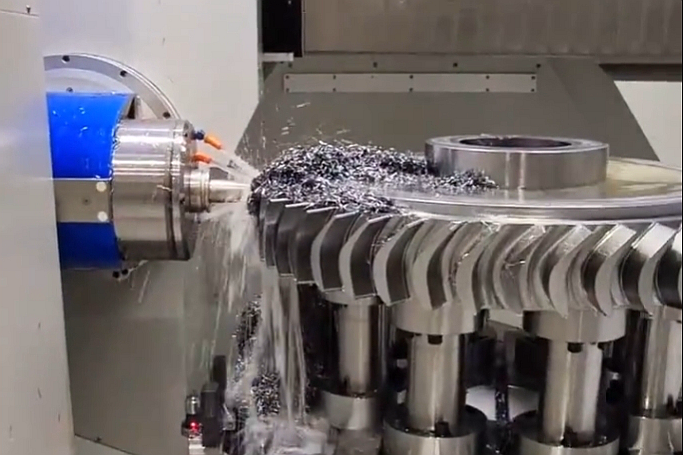
Superalloys are highly abrasive and prone to work hardening during machining. Applying optimized tool paths and cooling strategies through superalloy CNC machining enables firearm components to achieve tight dimensional tolerances and smooth surface finishes. For intricate internal geometries such as suppressor baffles or internal gas channels, supplementary methods like EDM machining allow precision shaping without compromising structural integrity.
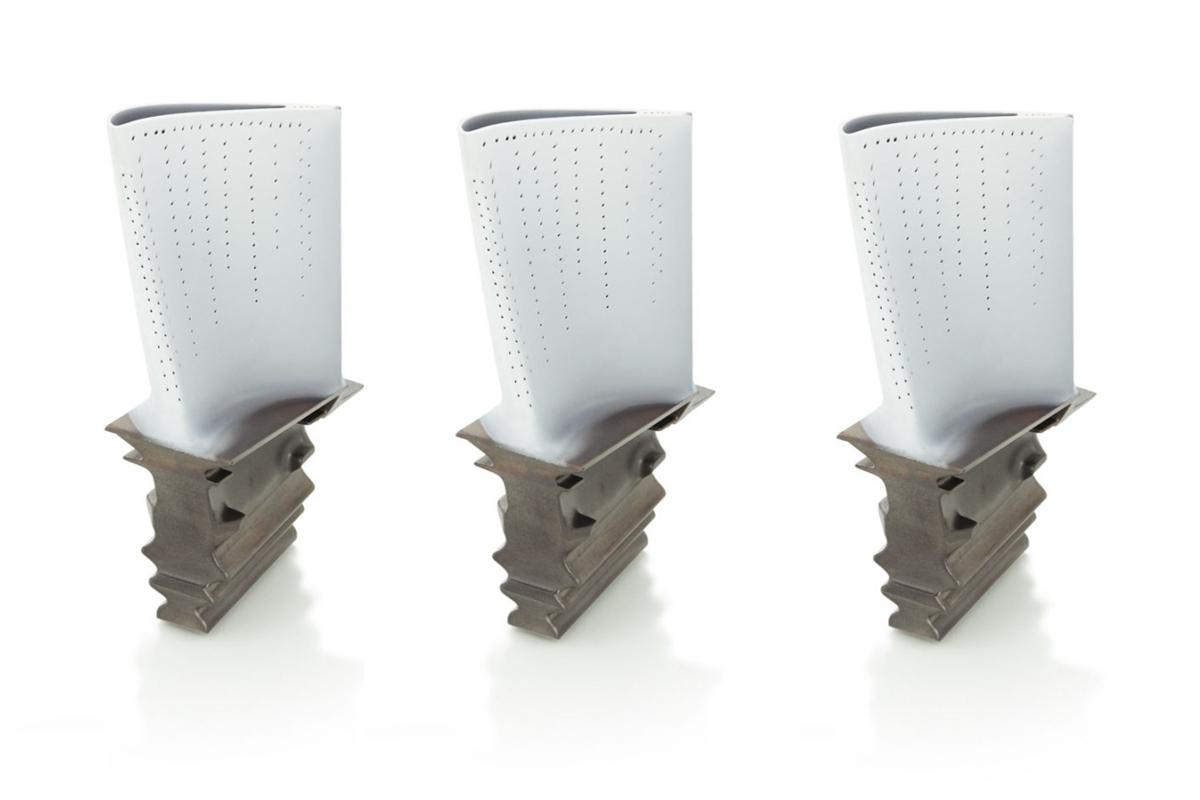
In high-temperature boundary zones, protective coatings such as thermal barrier coating (TBC) reduce oxidation, prevent metal fatigue, and extend service life. These coatings are particularly useful in suppressor outer shells and rifle muzzle devices, where extreme gas erosion and heat cycling occur.
Validation and Field Readiness
Before entering field service, superalloy firearm parts are evaluated using advanced inspection and material testing and analysis. Hardness mapping, porosity scanning, and fatigue simulation ensure that each component meets functional and safety requirements. By integrating post-processing with inspection, manufacturing teams can guarantee long-term reliability across hostile environments such as dusty combat zones, humid jungles, and salt-rich marine conditions.