What quality inspection methods are used to verify cooking equipment modules?
Material Analysis and Alloy Characterization
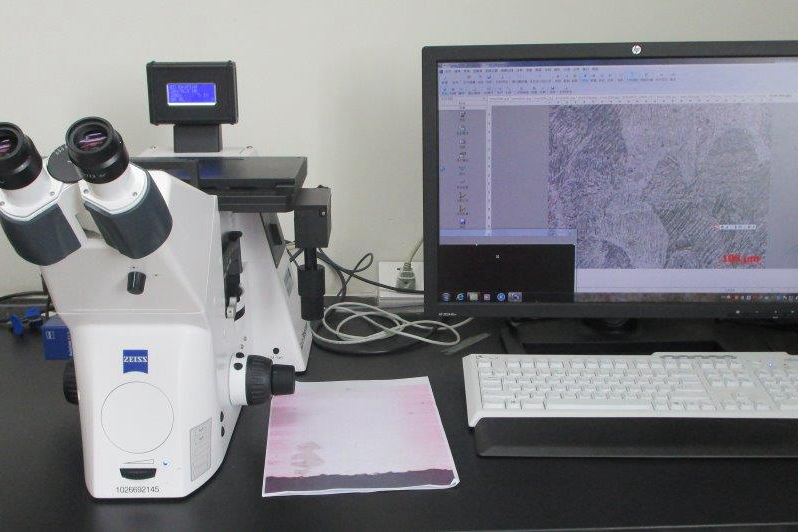
Cooking equipment modules, especially those operating near burners or heat exchangers, must ensure high thermal stability and corrosion resistance. Initial validation begins with alloy verification using material testing and analysis to examine chemical composition, grain structure, and oxidation resistance. For components requiring higher temperature capability—such as commercial grills or induction components—alloys like Inconel 600 may be selected for their excellent resistance to thermal cycling and food-grade corrosion.
Thermal Cycling and Environmental Simulation
To verify reliability under repeated heating and cooling, accelerated thermal fatigue tests and high-humidity exposure simulations are implemented. For heavy-duty food processing modules, environmental durability testing is similar to requirements found in power generation and oil and gas systems, where components are exposed to moisture, chemicals, and thermal shock. This ensures food-contact compatibility and long-term hygienic performance.
Non-Destructive Evaluation Techniques
Critical cooking modules such as heating plates, burner housings, and steam channels often require internal defect inspection. Non-destructive evaluation uses X-ray scanning, ultrasonic inspection, and surface dye-penetrant methods. These inspection procedures are also standard in vacuum investment casting and superalloy post process verification for high-reliability components.
Mechanical Load and Wear Assessment
Food processing lines involve continuous loading, mechanical motion, and cleaning cycles. Wear testing, abrasion resistance evaluation, and sliding friction measurements help predict the service lifespan of moving parts. For components using stainless steel or nickel-based alloys, microstructure optimization through hot isostatic pressing (HIP) further improves performance before final machining via superalloy cnc machining.
Hygiene Validation and Food-Grade Certification
Cooking equipment requires smooth surfaces, non-toxic coatings, and ease of cleaning to satisfy safety regulations. Material processing is often guided by certification practices found in pharmaceutical and food applications, ensuring safe contact with consumables. Thermal barrier, stainless, or ceramic coatings may be applied, provided they adhere reliably and meet migration limits under high temperatures.