Why is Hot Isostatic Pressing (HIP) important in post-processing tank assemblies?
Eliminating Residual Porosity and Voids
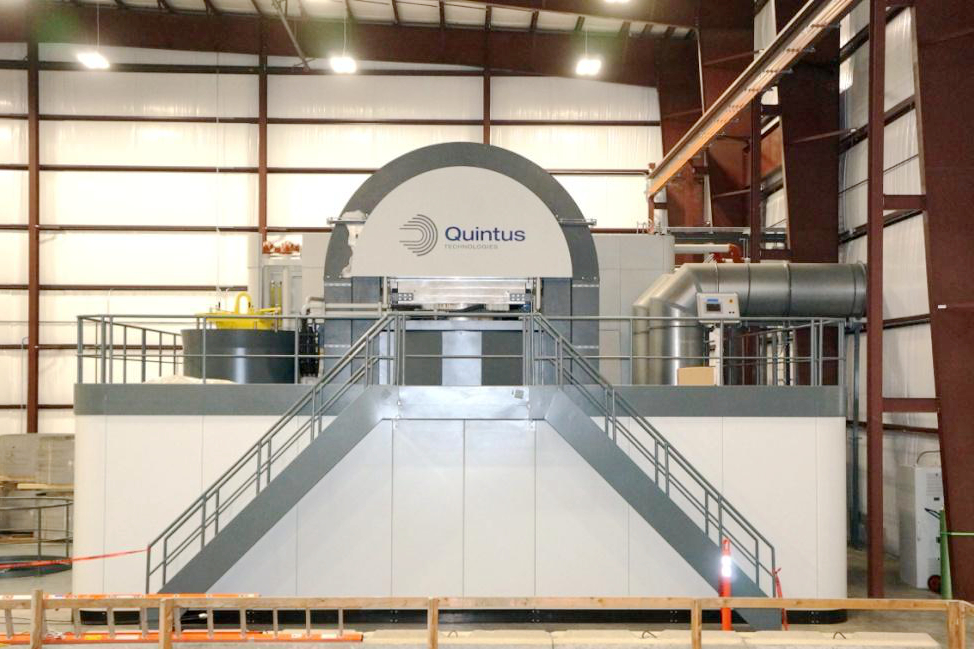
Superalloy tank assemblies often involve complex shapes produced through casting or additive manufacturing. These methods can leave internal voids and micro-porosity that compromise pressure resistance. Hot Isostatic Pressing (HIP) applies high temperature and uniform isostatic pressure to diffuse and close these defects, significantly improving structural integrity and preventing fatigue cracking during pressure cycling.
Microstructure Stability Under Thermal Stress
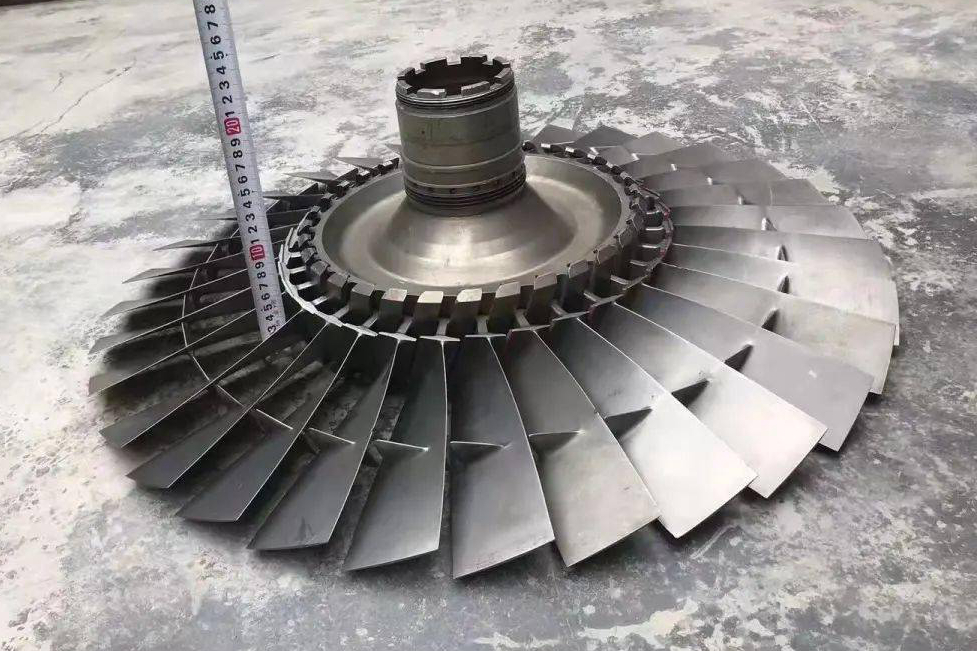
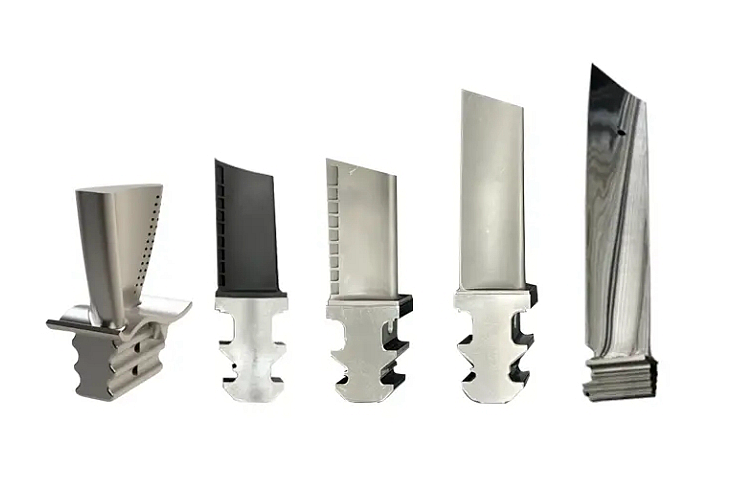
Aerospace tank modules experience stress from temperature gradients, particularly during cryogenic loading and rapid heating. HIP promotes diffusion bonding and grain uniformity, enhancing resistance to creep and oxidation. High-performance alloys such as Inconel 713LC and Rene 104 show improved mechanical reliability after HIP treatment, making them suitable for high-pressure or thermally active tank zones.
Compatibility with Subsequent Processing
HIP treatment is typically followed by precision machining and surface finishing to ensure reliable assembly performance. Conducting HIP before superalloy cnc machining prevents tool wear from hidden defects and improves dimensional control. It also enhances adhesion for advanced coatings such as thermal barrier coating (TBC), which may be needed for tanks near propulsion or thermal exhaust systems.
Regulatory and Industrial Requirements
In aerospace manufacturing, HIP is often a mandatory process step for critical containment components. Similar traceability and reliability standards found in aerospace and aviation propulsion systems apply to tank assemblies. To ensure long-term durability, HIP-treated components are typically validated through pressure cycling, creep testing, and non-destructive evaluation supported by material testing and analysis.