Why is Hot Isostatic Pressing (HIP) important in post-processing superalloy parts?
Elimination of Internal Defects
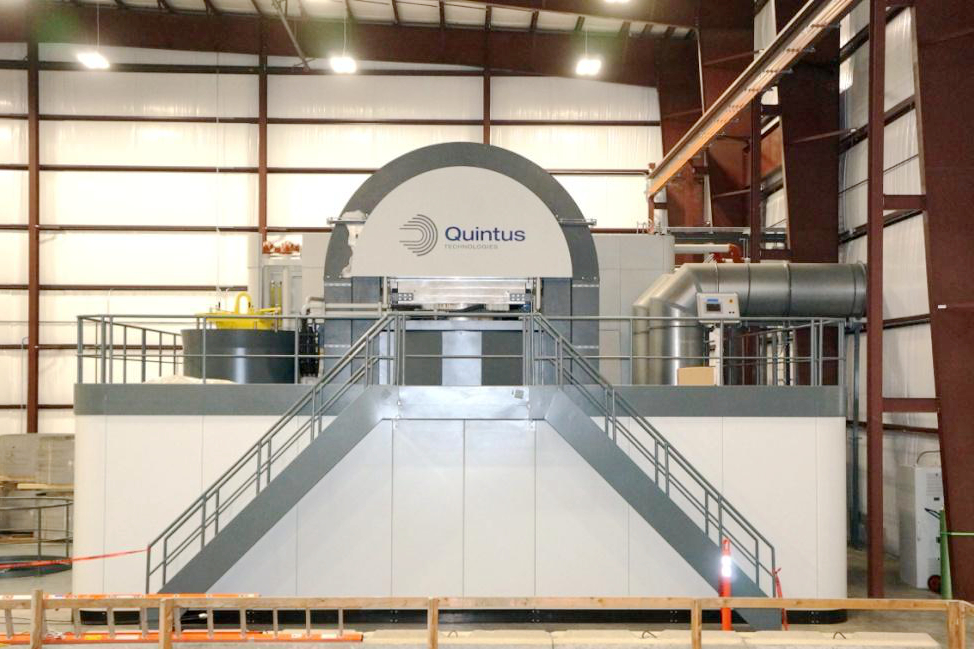
During casting or additive manufacturing, superalloy components may develop micro-voids, shrinkage defects, and non-uniform grain boundaries. Hot Isostatic Pressing (HIP) applies high temperature and isostatic gas pressure to collapse internal porosity, enhancing material density and restoring structural integrity. This defect elimination is especially critical for high-pressure components used in exhaust systems, sterilization chambers, and turbine assemblies where crack initiation can lead to premature failure.
Enhanced Fatigue and Creep Resistance
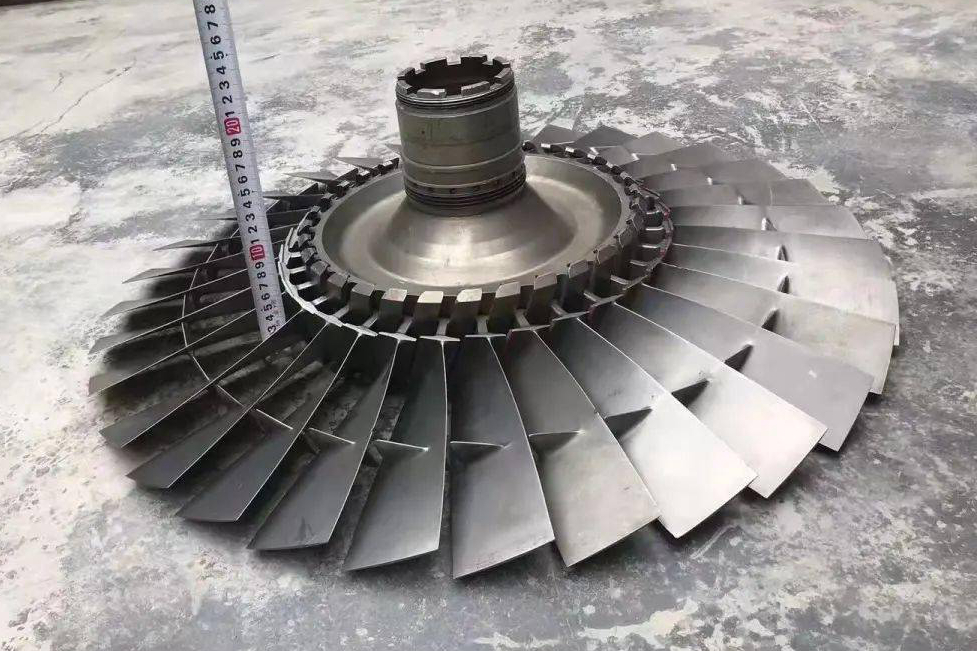
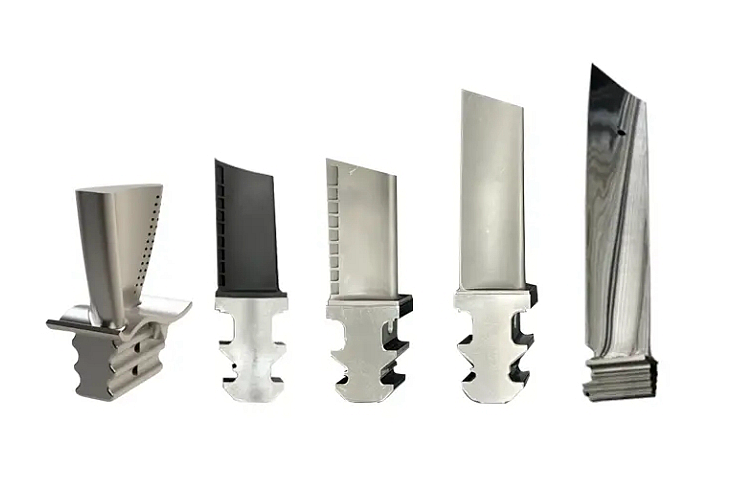
Superalloys operate in environments characterized by extreme heat, pressure, and cyclic loading. Without HIP, internal flaws act as stress concentration points, accelerating crack propagation under fatigue or creep conditions. The HIP process homogenizes the microstructure and improves grain bonding, significantly increasing resistance to thermal fatigue and stress rupture. These benefits are vital for parts exposed to aggressive aerospace and power generation environments where reliability is mandatory.
Improving Performance of Additive Manufactured Parts
For components produced by superalloy 3d printing, layer-by-layer solidification introduces residual stresses and microscopic defects that impair strength. HIP treatment relieves stress while closing inter-layer gaps, enabling printed parts to meet aerospace-grade mechanical specifications. This makes HIP a key enabler for transitioning prototype components into full-scale production.
Supporting Lifespan and Quality Validation
Industries such as oil and gas and aerospace and aviation require exhaustive validation of performance before deployment. HIP-treated components demonstrate higher consistency in fatigue life, creep resistance, and stress tolerance, simplifying qualification procedures and increasing lifespan predictability. This ensures safer operations in pressure-intensive and temperature-sensitive applications.
Preparing for Precision Machining and Finishing
Post-HIP components can be machined more consistently using superalloy CNC machining due to stabilized microstructure and improved surface integrity. Follow-up processes such as superalloy heat treatment and surface coatings may then be applied with lower risk of stress cracking or dimensional distortion.