Why is Hot Isostatic Pressing (HIP) important in manufacturing high-temperature parts?
Eliminating Internal Defects
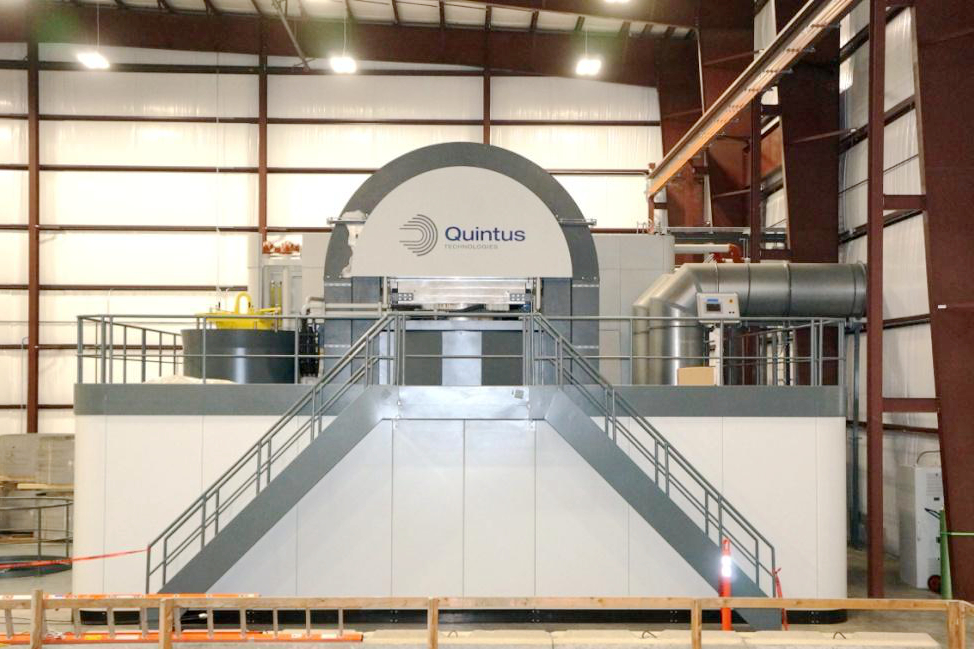
High-temperature components, especially those used in turbine exhaust or combustion zones, must withstand extreme pressure and thermal gradients. During casting or superalloy 3d printing, micro-voids and shrinkage pores often form within the structure. These defects significantly reduce fatigue strength. Hot Isostatic Pressing (HIP) applies high pressure and temperature simultaneously, eliminating internal porosity and improving density, directly enhancing the component’s reliability under cyclic stress.
Microstructure Stabilization and Creep Resistance
At temperatures above 800 °C, superalloys undergo creep deformation. HIP treatment promotes diffusion bonding and uniform grain consolidation, allowing alloys such as Rene N6 and Inconel 738LC to achieve improved creep and oxidation resistance. The stabilization effect is particularly valuable when produced through vacuum investment casting or powder metallurgy, where microstructural uniformity is critical to long-term performance.
Performance Improvement for Critical Industries
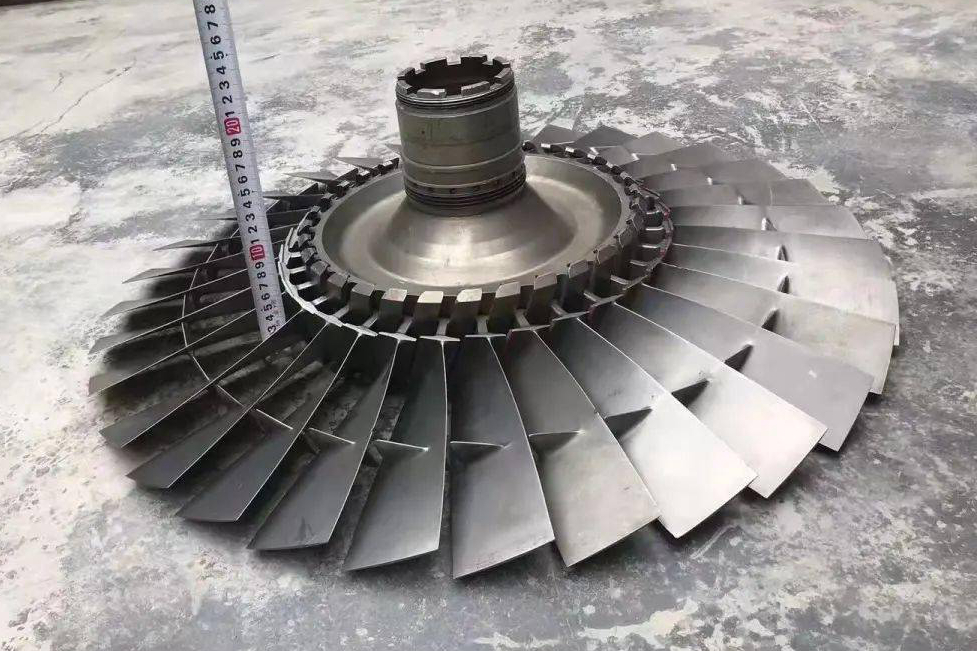
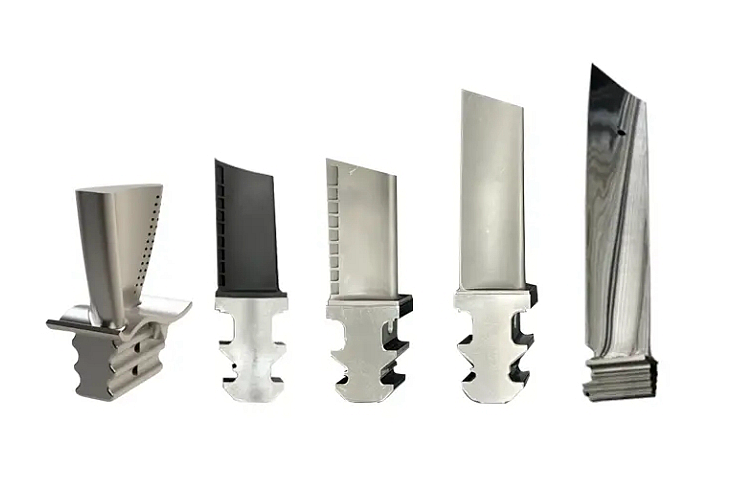
Industries such as aerospace and aviation, power generation, and nuclear demand absolute reliability for components exposed to extreme thermal loads. HIP treatment significantly enhances structural integrity and extends the lifespan of turbine blades, exhaust nozzles, and combustion liners. It also reduces the likelihood of crack propagation during vibration or thermal shock events.
Integration with Post-Processing Sequences
HIP is often integrated with precision finishing operations such as superalloy cnc machining and heat treatment. Conducting HIP before machining ensures defect-free material removal and prevents tool damage from hidden flaws. In many cases, HIP also improves coating adhesion when applying thermal barrier coating (TBC), leading to better high-temperature corrosion resistance.