How do HIP and heat treatment enhance pump component performance?
Eliminating Defects and Improving Density
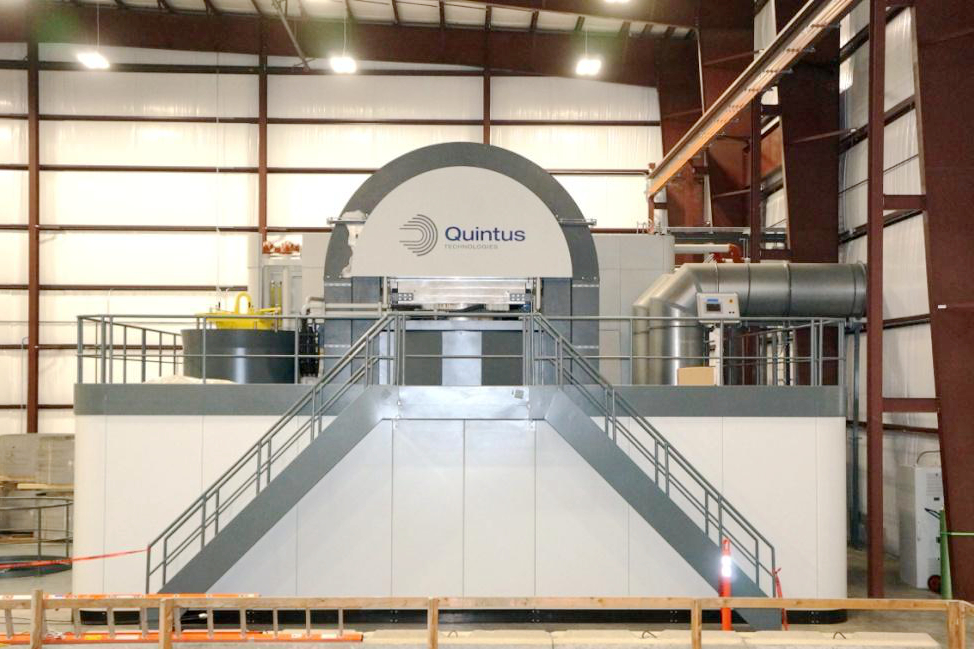
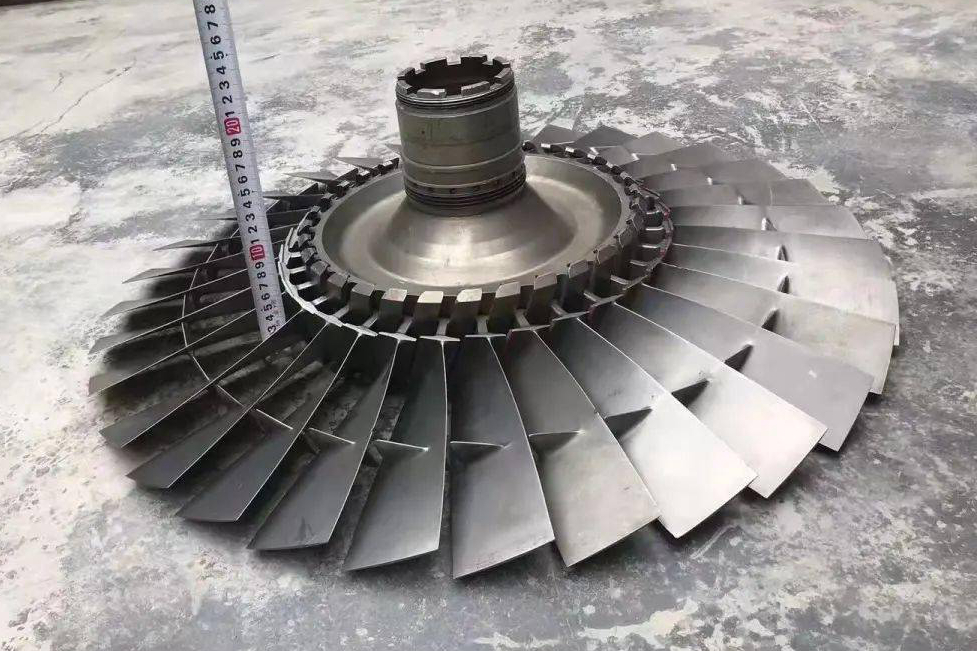
Hot isostatic pressing (HIP) plays a vital role in enhancing the structural integrity of superalloy pump components. By applying high temperature and uniform pressure, internal voids and micro-porosity from casting or powder-based processes are removed, resulting in near fully dense structures. This significantly improves fatigue strength and pressure resistance, particularly in alloys such as Stellite 3 or Inconel 738LC. HIP treatment is crucial for impellers, volutes, and pump housings that are subjected to cyclic pressure, vibration, and fluid erosion.
Microstructure Stabilization Through Heat Treatment
Heat treatment further strengthens pump components by refining grain structure and stabilizing phase composition. Precise temperature control enables precipitation hardening and stress relief, essential for maintaining dimensional accuracy during operation. Complex alloys such as Rene 104 and Nimonic 115 rely on optimized heat treatment to achieve the final mechanical properties needed for high-load pump systems. These treatments reduce internal stress and enhance wear resistance under steady or pulsating flow.
Supporting High-Performance Manufacturing Processes
When combined with precision manufacturing methods such as vacuum investment casting or powder metallurgy, HIP and heat treatment maximize the mechanical potential of superalloys. For final machining, superalloy CNC machining is often used after heat treatment to ensure precise tolerances and stable cutting performance. This combination increases efficiency while achieving repeatable quality across large batches.
Extending Lifecycle in Industrial Environments
Pump components deployed in chemical processing, power generation, and harsh marine environments face combined corrosion, pressure, and temperature stresses. HIP and heat treatment improve fatigue resistance, minimize thermal distortion, and enhance dimensional stability—ensuring long-term operational reliability while reducing maintenance cost. Validation is typically confirmed through intensive material testing and analysis before commercial deployment.