How can post-processing techniques like HIP and TBC improve the longevity of superalloy components?
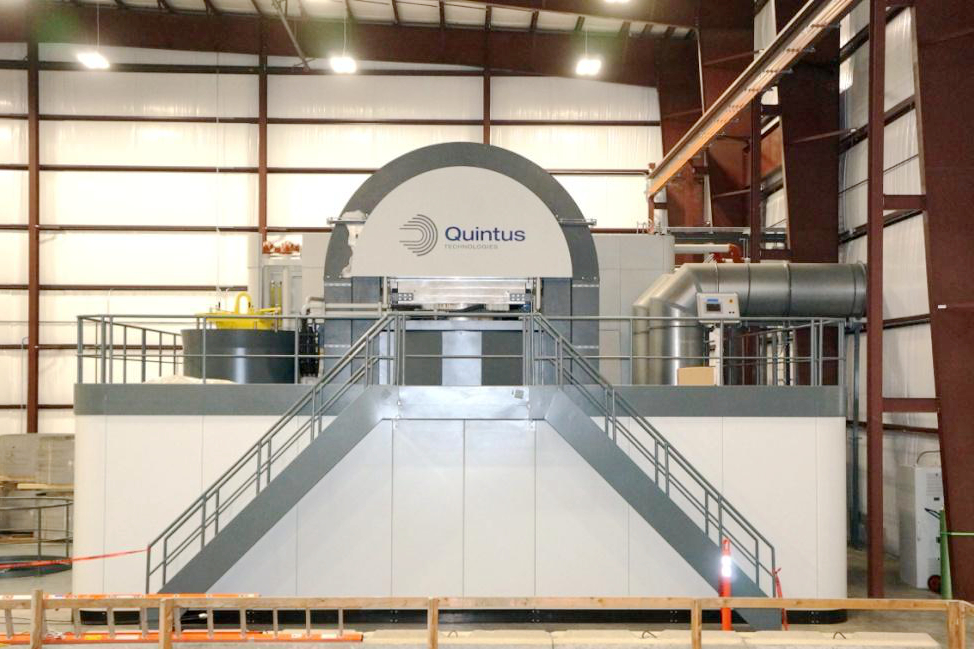
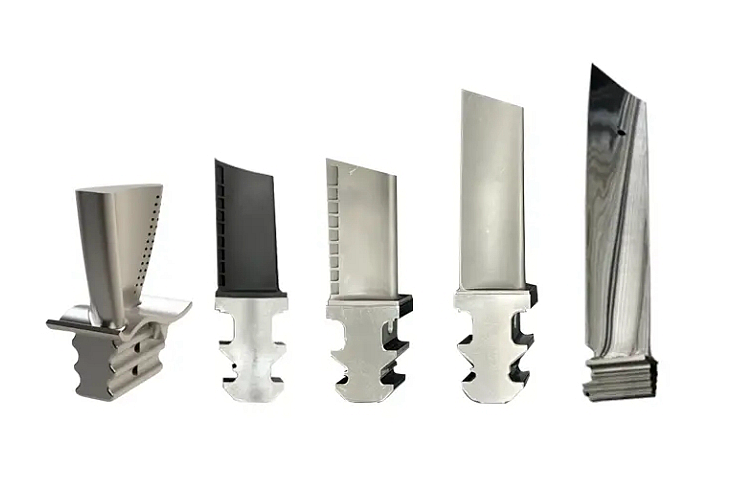
Hot isostatic pressing (HIP) is one of the most effective post-processing methods for improving the reliability and lifespan of superalloy components. During HIP, parts are subjected to high temperature and isostatic gas pressure—typically exceeding 100 MPa—inside a sealed chamber. This process eliminates internal voids, micro-cracks, and residual porosity from vacuum investment casting or superalloy 3D printing. The result is a fully dense structure with enhanced creep resistance, tensile strength, and fatigue life. For critical components such as turbine blades, manifolds, or energy-sector fuel cell interfaces, HIP ensures uniform stress distribution, significantly delaying crack initiation under cyclic loading.
Microstructural Homogenization and Stress Relief
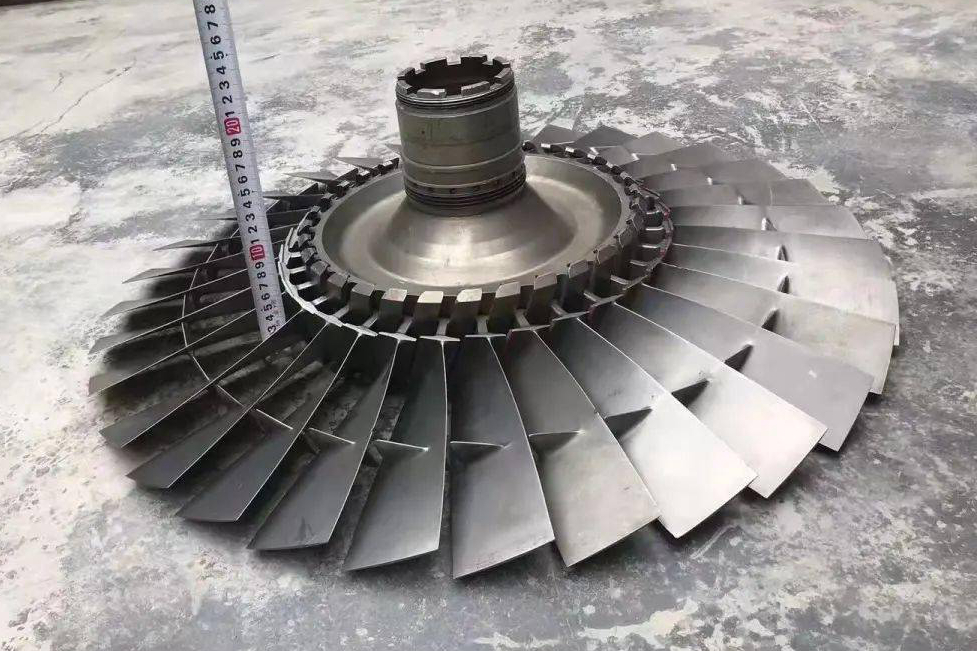
When combined with heat treatment, HIP promotes microstructural uniformity and stabilizes precipitates, such as the γ′ phase, in nickel-based alloys like Inconel 718 and Rene 88. These precipitates strengthen the alloy matrix, improving resistance to thermal fatigue and high-temperature creep. The process also reduces residual stress from machining or casting, thereby maintaining dimensional stability and minimizing the risk of deformation during service in high-stress environments, such as power generation turbines or aerospace engines.
Surface Protection and Thermal Management With TBC
Thermal barrier coatings (TBC) are ceramic-based coatings applied to protect metallic substrates from extreme temperatures and oxidation. These coatings act as insulative layers, maintaining lower substrate temperatures even when exposed to combustion or heat flux exceeding 1,000°C. In energy and aerospace systems, TBC prevents oxidation and thermal fatigue in components such as turbine vanes, combustor liners, and fuel nozzles. When paired with diffusion or bond coats made from Hastelloy or Stellite, TBC also mitigates spallation and enhances adhesion, further improving resistance to corrosion and hot gas erosion.
Synergistic Effects for Extended Service Life
The combination of HIP and TBC offers a synergistic improvement in both bulk and surface durability. HIP ensures defect-free internal structure and mechanical resilience, while TBC protects against external thermal and oxidative degradation. This dual approach extends component lifespan by reducing both internal fatigue damage and external environmental wear. In advanced energy and aerospace systems, this results in higher efficiency, longer maintenance intervals, and reduced life-cycle cost.
For high-value superalloy components—especially those made from CMSX series or Rene alloys—these post-processing steps transform cast or printed materials into service-ready parts capable of decades of stable performance under continuous high-temperature and corrosive conditions.