Why is heat treatment important in the post-process of alloy fixtures?
Enhancing Microstructural Stability
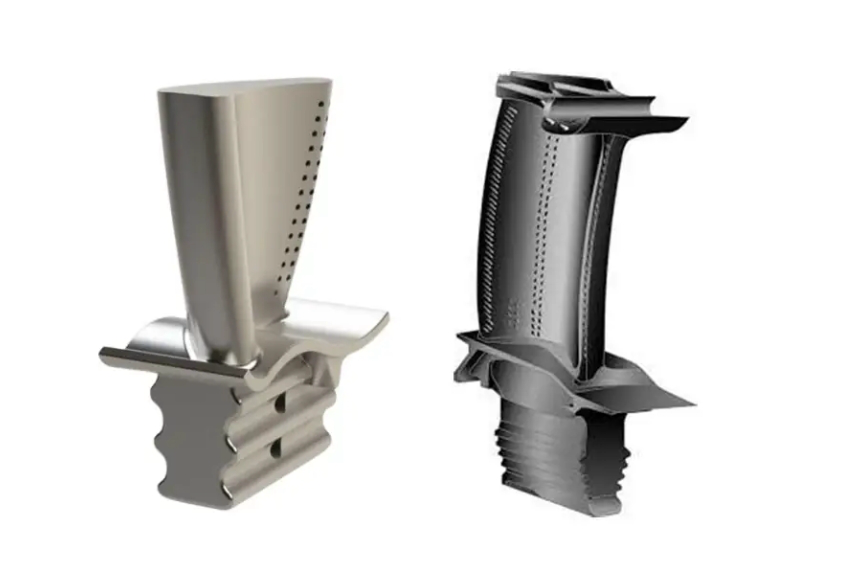
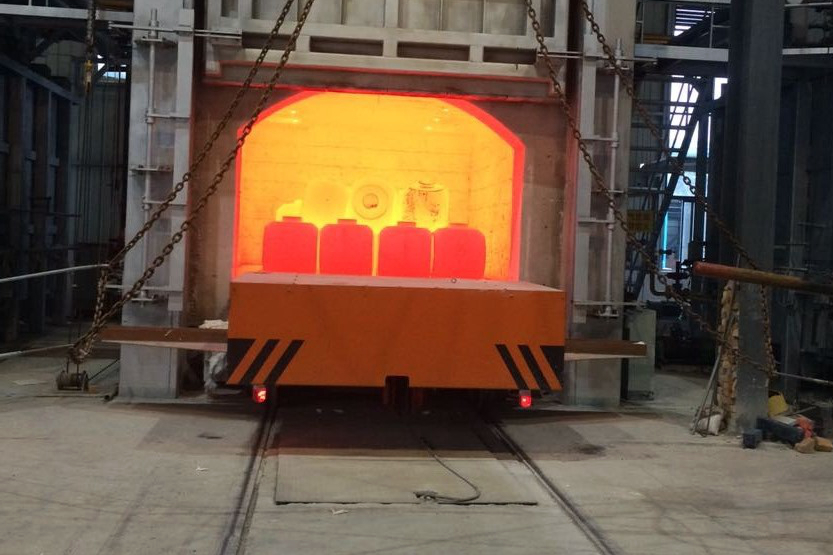
Heat treatment is a critical post-processing step for alloy fixtures, as it directly influences the microstructure, mechanical performance, and service life. During manufacturing—whether through vacuum investment casting, superalloy precision forging, or superalloy 3D printing—residual stresses and non-uniform grain structures develop. Superalloy heat treatment relieves these internal stresses, refines grains, and promotes uniform phase distribution, which stabilizes the alloy under thermal cycling conditions typical in energy and power generation applications.
In nickel-based systems, such as Inconel 718 or Hastelloy X, controlled heating and cooling promote the precipitation of strengthening phases, including γ' and γ'', which enhances tensile strength and creep resistance.
Improving Mechanical and Thermal Properties
The heat treatment process enhances hardness, fatigue strength, and resistance to creep deformation—essential for fixtures subjected to temperatures exceeding 700°C. Aging treatments applied after solution annealing allow for precise control of hardness and ductility, ensuring the part retains its shape and mechanical integrity. This is especially important for solar thermal and nuclear systems, where cyclic loading and rapid temperature fluctuations are common.
Combined with hot isostatic pressing (HIP), heat treatment eliminates residual porosity and stabilizes grain boundaries, preventing crack initiation during long-term operation. The result is a component with a consistent mechanical response and an extended operational lifespan.
Enhancing Corrosion and Oxidation Resistance
Properly heat-treated alloys form stable oxide layers that protect against corrosive media such as molten salts, steam, and atmospheric oxidation. Alloys like Nimonic 90 and Stellite 6 benefit from post-heat treatment, which improves the diffusion of alloying elements such as chromium and cobalt, resulting in a uniform protective film on the surface. For components requiring advanced surface protection, heat treatment improves the adhesion and durability of thermal barrier coatings (TBC), ensuring long-term oxidation stability.
Supporting Dimensional Accuracy and Surface Quality
Following casting or machining, heat treatment helps restore dimensional consistency by stabilizing residual stresses. This ensures tight tolerances for complex assemblies and improves coating compatibility. In superalloy CNC machining applications, post-heat treatment minimizes deformation during finishing operations, ensuring precise fitment across critical components in solar, nuclear, and aerospace systems.
Enabling Certification and Long-Term Reliability
For sectors such as power generation, nuclear, and renewable energy, controlled heat treatment is crucial for meeting ASME and ASTM specifications. The process guarantees traceable and repeatable metallurgical quality, confirming that each alloy fixture achieves the targeted performance standards for safety-critical applications.