How long does a typical stress-relief heat treatment cycle typically take?
Cycle Time Variability and Key Factors
There is no single "typical" duration for a stress-relief heat treatment cycle, as the total time is highly dependent on several critical factors. The most influential variables are the specific alloy being treated, the maximum cross-sectional thickness of the component, the initial level of residual stress, and the furnace's heating and cooling capabilities. A cycle that is too short may not adequately relieve stresses, while an excessively long cycle can be detrimental to the material's microstructure or mechanical properties.
The Three Phases of a Cycle
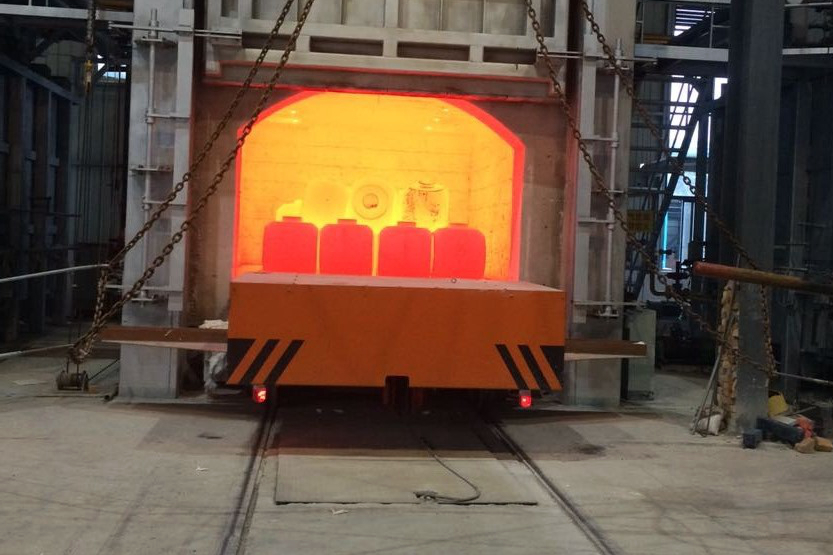
A complete stress-relief cycle consists of three main phases, each contributing to the total time. First is the ramp-up or heating phase, where the furnace temperature is gradually increased to the target soak temperature. This ramp must be controlled to prevent thermal shock and new stress induction, often taking several hours for large or complex parts. The second phase is the soak or hold time at the target temperature (e.g., 1600°F for a nickel-based superalloy). This is when atomic diffusion allows stresses to dissipate. Soak time is typically calculated based on material and thickness, commonly ranging from 1 to 4 hours, but can be longer for very thick sections. The final phase is controlled cooling, where the furnace cools at a specified rate back to near room temperature to prevent the re-introduction of thermal stresses.
Material-Specific Considerations
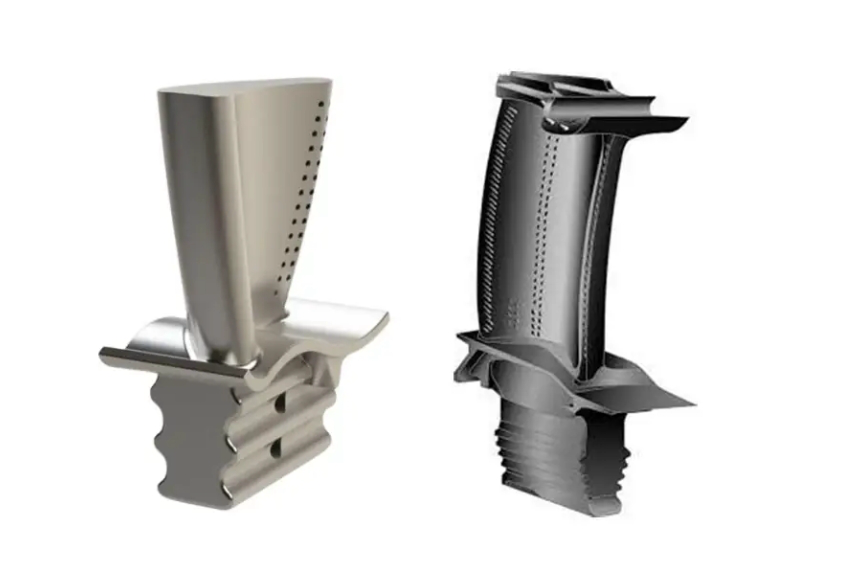
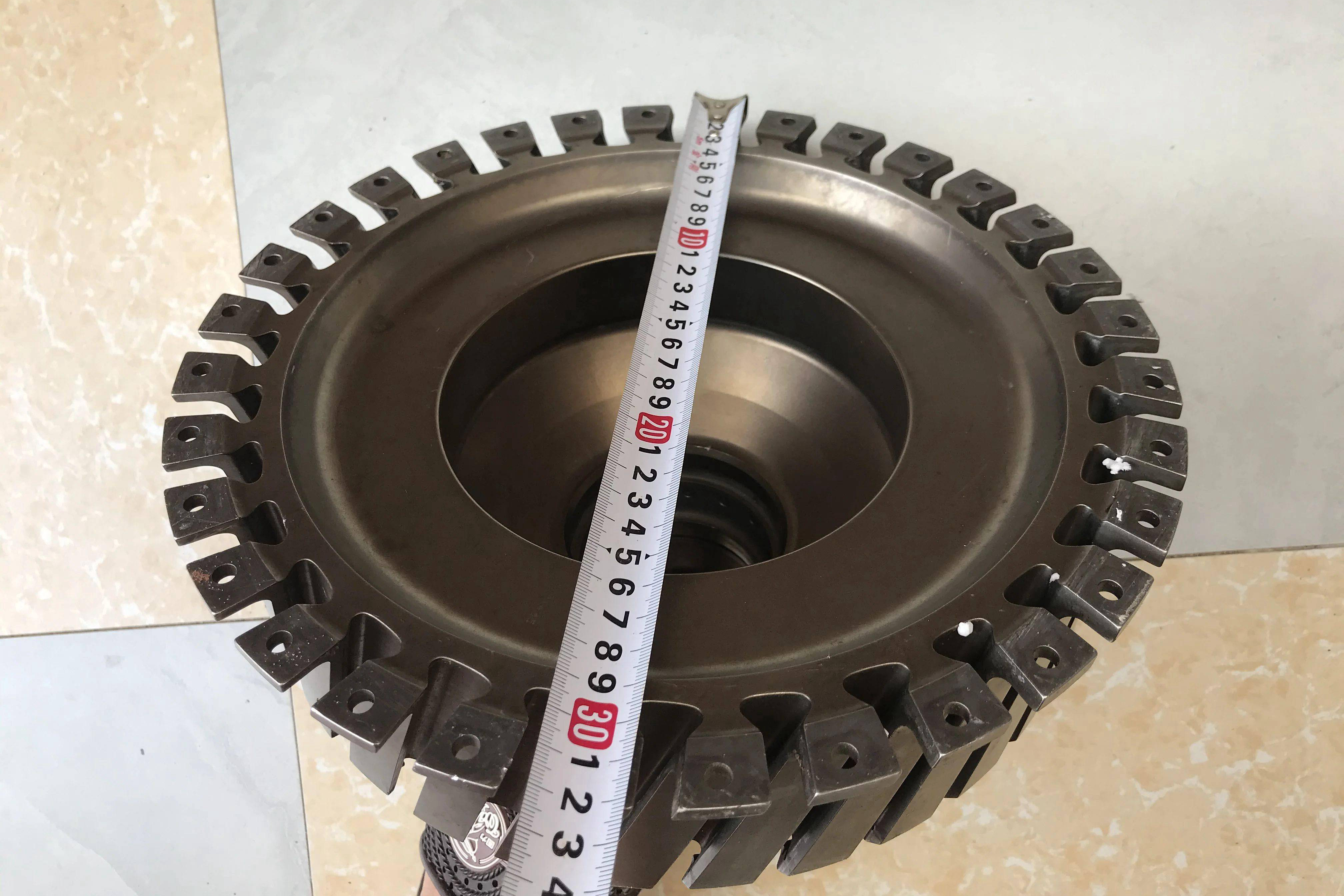
The chosen material dictates the necessary temperature and atmosphere. For instance, stress-relieving a complex Inconel 718 casting after CNC machining requires a precise temperature hold in a vacuum or inert atmosphere furnace to prevent oxidation, with a total cycle time potentially exceeding 12 hours. In contrast, stress-relieving a carbon steel weldment might be completed in a much shorter cycle. The precise parameters are always defined by the material specification and the component's final application in sectors like power generation or aerospace.
Integrating with Other Processes
It is also common for stress relief to be integrated into a broader heat treatment schedule. For example, the cycle may be performed immediately after welding or heavy machining, or it may be a sub-step within a full solution treatment and aging sequence. The specific process route, validated through material testing and analysis, ultimately determines the exact cycle duration to ensure long-term dimensional stability and performance.