How does heat treatment prevent cracking in high-temperature applications?
Microstructural Stabilization Against Cracking
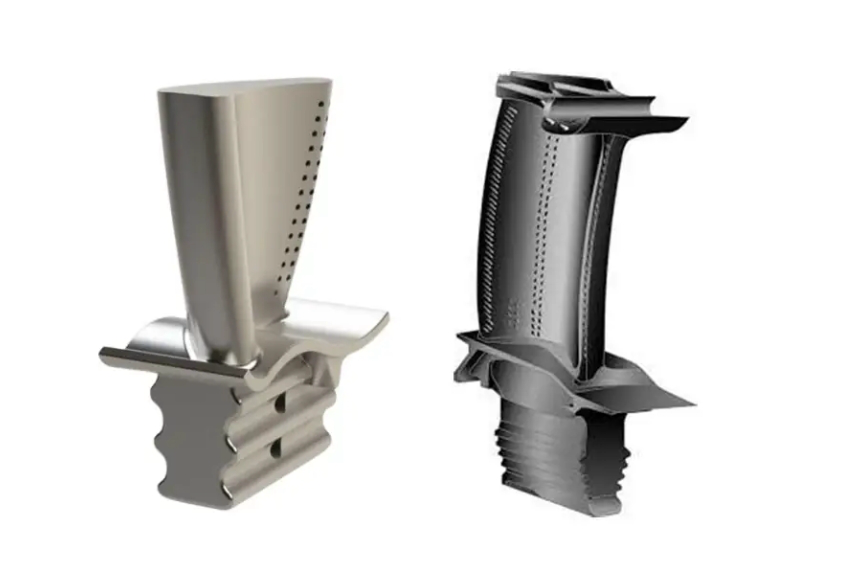
Cracking in high-temperature applications typically results from cyclic thermal stress, microstructural instability, and stress concentration at grain boundaries. Heat treatment improves crack resistance by stabilizing the γ and γ′ phases, reducing segregation, and reinforcing grain boundaries. Nickel-based alloys such as Inconel 792 benefit significantly from controlled aging cycles, which enhance precipitation hardening and delay crack initiation. By promoting uniform phase distribution, heat treatment reduces susceptible regions where thermal fatigue cracks are prone to form.
In equiaxed structures, grain boundaries are particularly vulnerable to creep and oxidation. Here, homogenization heat treatments mitigate segregation and build structural stability, substantially reducing crack propagation under high thermal gradients.
Residual Stress Relief and HIP Processing
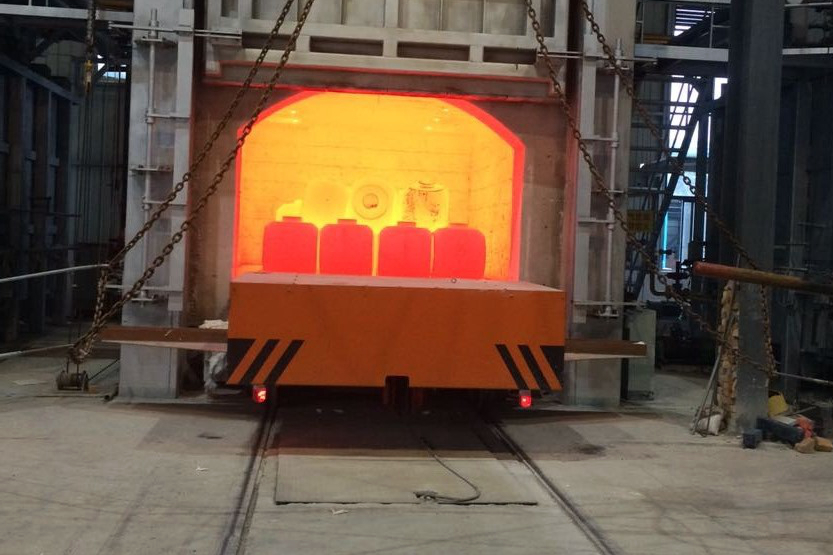
Manufacturing methods such as vacuum investment casting and superalloy 3d printing may leave internal stresses and minor porosity within the material. These imperfections become crack initiation sites during thermal cycling. Stress-relief heat treatment combined with hot isostatic pressing (HIP) enhances density and eliminates voids, limiting crack formation during extreme loading conditions.
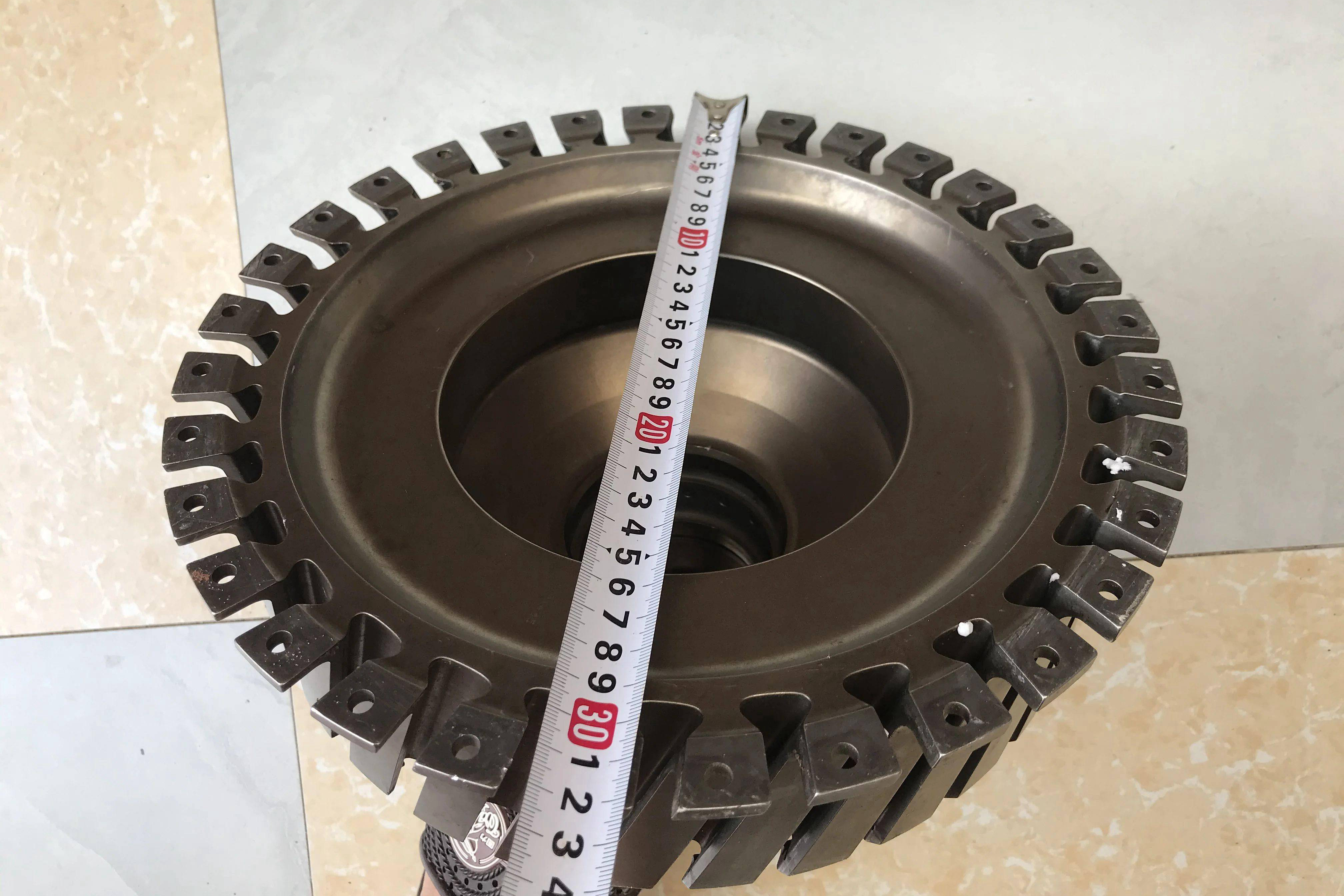
For complex geometries or critical components, dimensional finishing using superalloy CNC machining may precede heat treatment to avoid distortion and ensure tolerance retention throughout post-processing.
Thermal Fatigue Mitigation
High-temperature service environments such as power generation or military and defense components experience rapid temperature fluctuations. Heat treatment promotes phase stabilization, allowing the material to better absorb thermal expansion without cracking. Controlled aging cycles refine carbide distribution, reinforce grain boundaries, and enhance creep resistance—essential for turbine housings and exhaust components where temperature spikes are frequent.
Follow-up validation through advanced material testing and analysis ensures that stress-relieved regions maintain structural integrity during accelerated durability simulations.
Custom Treatment for Crystal Structures
Single crystal alloys contain no grain boundaries, allowing higher operating temperatures, but require precise control of γ′ volume to prevent rafting and directional cracking. Equiaxed alloys require more aggressive heat treatment to strengthen boundaries. For advanced superalloys—such as those used in fifth-generation single crystal casting—carefully tuned heat treatment cycles are essential to achieve long-term dimensional and structural stability.
Through microstructure engineering, heat treatment not only prevents crack initiation but extends component life, reduces maintenance demand, and improves overall operational reliability in extreme-temperature environments.