How does heat treatment enhance the performance of superalloy valve assemblies?
Introduction
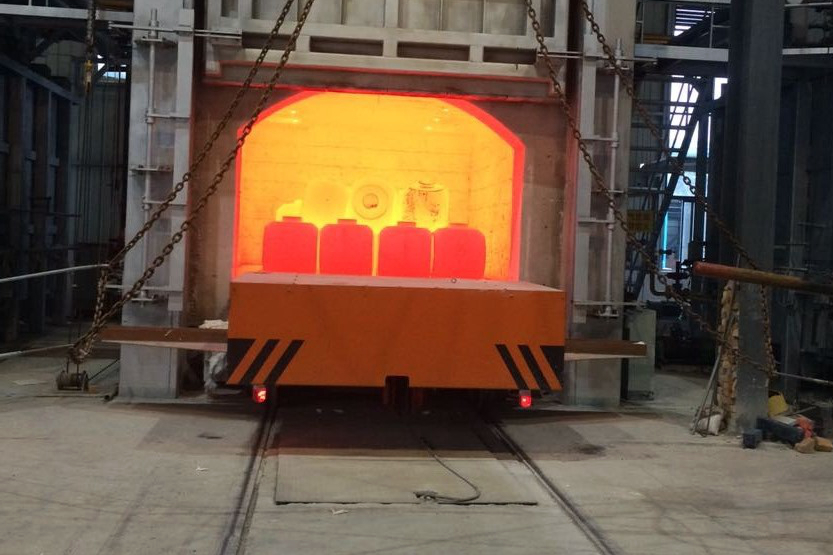
Superalloy valve assemblies are subjected to extreme thermal and mechanical stresses in aerospace, energy, and chemical processing systems. To meet these demanding conditions, heat treatment plays a vital role in refining the alloy’s microstructure, improving mechanical properties, and extending operational life. It is a controlled process that transforms cast or forged components into high-performance, reliable assemblies.
Role of Heat Treatment in Microstructural Optimization
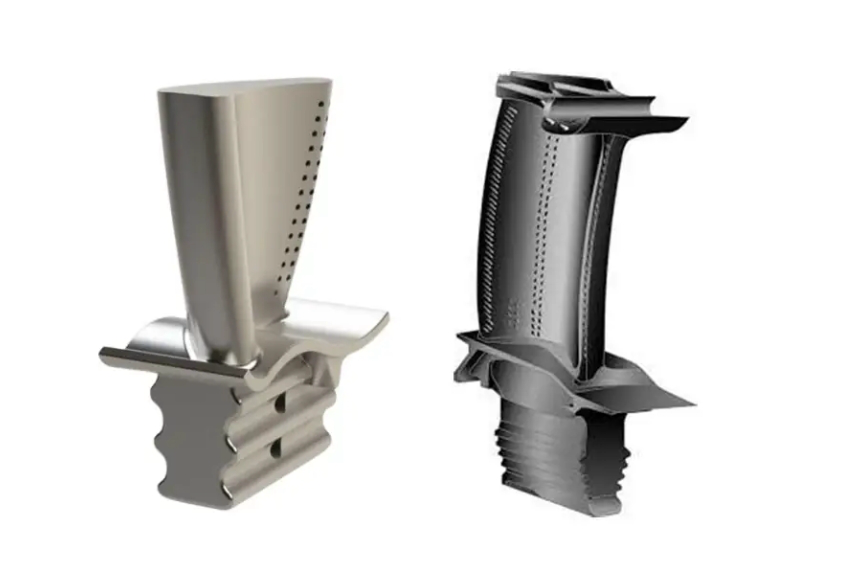
Heat treatment refines the crystalline structure of superalloys by controlling phase transformations and the formation of precipitates. For example, after Vacuum Investment Casting or Superalloy Precision Forging, the material’s grain boundaries and internal stresses must be stabilized. The Superalloy Heat Treatment process adjusts the γ (gamma) and γ′ (gamma prime) phases, ensuring a uniform distribution of strengthening particles such as Ni₃(Al, Ti). This microstructural control provides improved high-temperature strength and creep resistance.
Strength and Stress Relief for Service Conditions
Through solution and aging treatments, heat treatment restores ductility and relieves internal stress introduced during Superalloy CNC Machining or Superalloy Deep Hole Drilling. For valve stems, seats, and housings, this ensures dimensional stability under repeated thermal cycling. The combination of Hot Isostatic Pressing (HIP) and heat treatment eliminates porosity and aligns grain boundaries, significantly enhancing fatigue strength.
Oxidation and Corrosion Resistance Improvement
Heat treatment also contributes to surface stability. In alloys such as Inconel 718 and Hastelloy X, the process forms stable oxide films that protect valve surfaces from scaling and oxidation. When combined with Thermal Barrier Coating (TBC), the surface exhibits superior heat insulation, reducing degradation from combustion gases or corrosive media.
Enhanced Fatigue and Wear Resistance
For moving components such as discs and ball valves, fatigue strength is critical. Heat treatment enhances resistance to crack initiation by stabilizing carbides and precipitates in materials like Stellite 6 and Nimonic 105. In applications such as Oil and Gas and Power Generation, these properties help maintain leak-free sealing and consistent performance under fluctuating pressures.
Industry Applications
Heat-treated superalloy valves are integral to several critical sectors:
Aerospace and Aviation: fuel and bleed valves exposed to high exhaust temperatures.
Power Generation: turbine bypass and steam control valves operating above 1000°C.
Chemical Processing: corrosion-resistant valves handling aggressive acids and gases.
These applications rely on alloys such as Rene 77, CMSX-4, and Inconel 625 for their heat-treated stability.
Conclusion
Heat treatment transforms superalloy valve assemblies into high-performance components that can withstand extreme thermal and mechanical conditions. By optimizing the microstructure, reducing stress, and enhancing oxidation resistance, it ensures superior reliability and durability in demanding industrial environments.