In which industries is stress reduction in superalloys most critical, and why?
Aerospace and Aviation
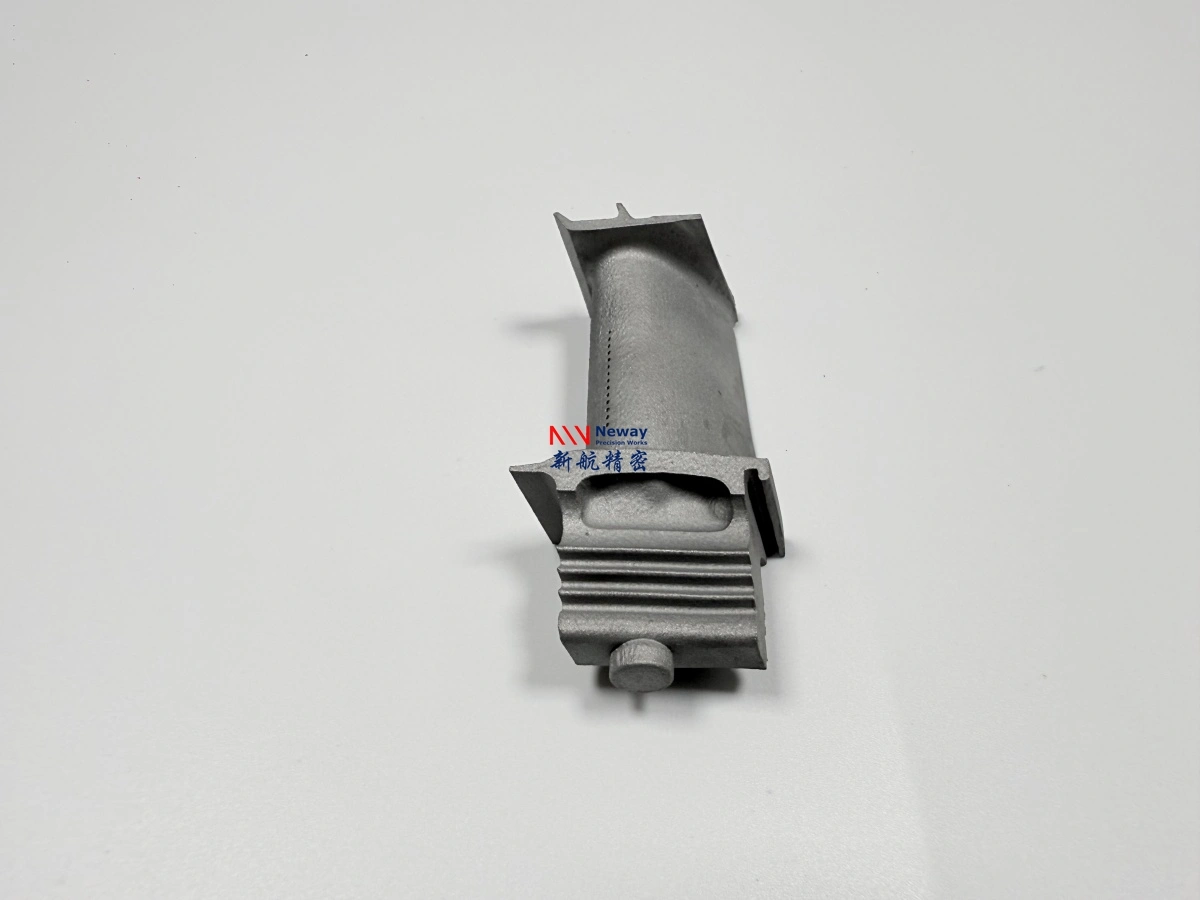
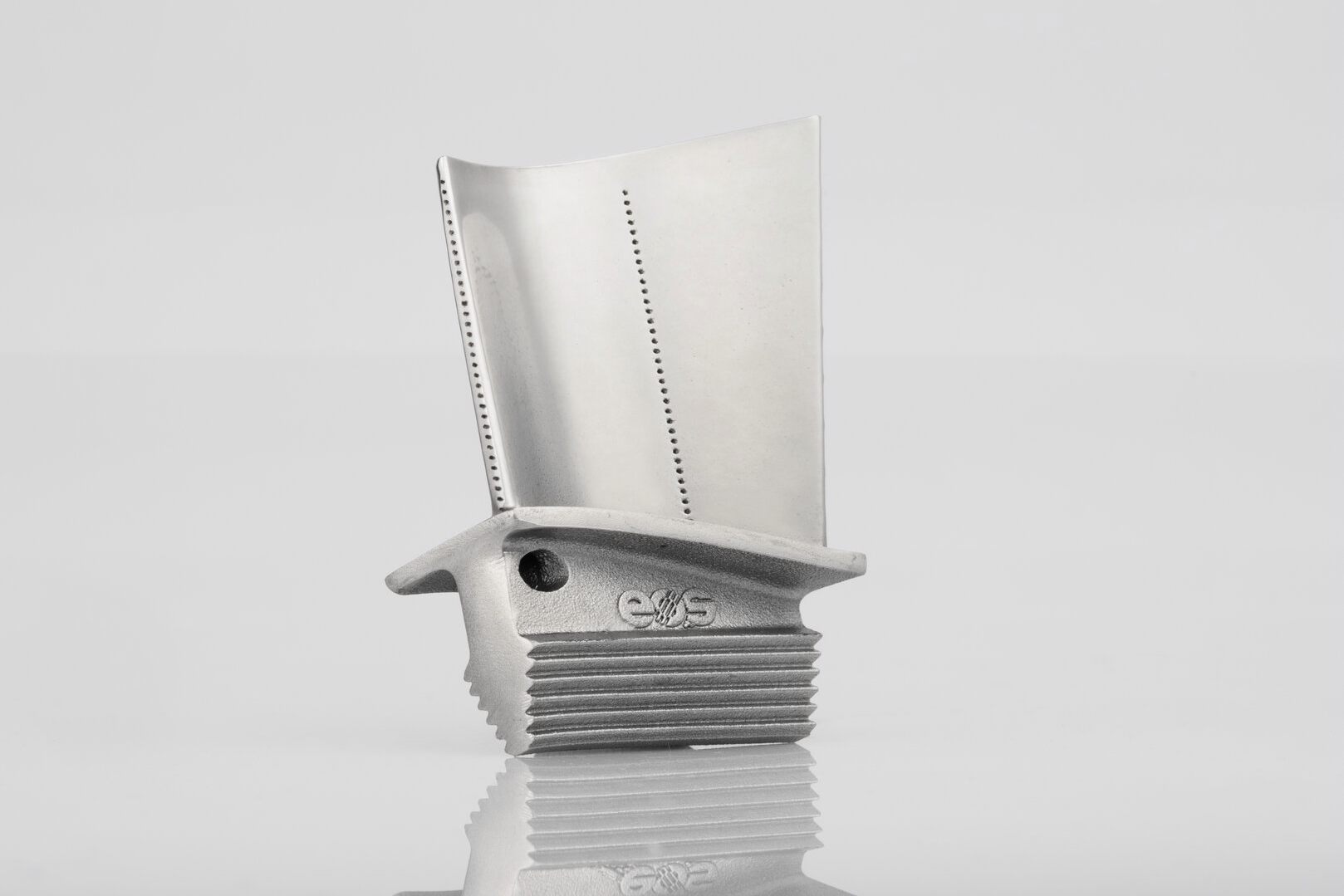
Stress reduction is most critical in the aerospace sector because turbine blades, vanes and combustor components operate under extreme temperatures and rotational forces. Alloys such as CMSX-7 and Inconel 718 must endure thermal cycling, creep and fatigue. Minimizing residual stress through processes like EDM machining and HIP treatment ensures structural reliability and prolongs engine service life.
Any stress-induced crack or deformation can lead to catastrophic failure, making stress reduction vital for flight safety and fuel efficiency.
Power Generation
In gas turbines and steam turbines, superalloys must withstand high-pressure combustion and continuous thermal loads. Stress reduction supports longer maintenance cycles and higher thermodynamic efficiency in energy production. For components produced by superalloy precision forging or casting, EDM helps avoid machining-induced strain and ensures optimal cooling channel functionality.
Reducing stress enhances creep resistance, maintains blade alignment and prevents deformation under sustained power output demands.
Oil and Gas & Chemical Processing
High-pressure pumps, valves and downhole tools operate in corrosive and high-stress environments. Nickel- and cobalt-based alloys—such as Hastelloy and Stellite 20—require machining strategies that prevent crack propagation and distortion. EDM provides stress-free cavity formation for sealing components and flow control systems that must maintain dimensional stability under cyclic pressure.
Failure caused by stress concentration can lead to leakage or downtime, making stress reduction crucial for operational safety.