Can EDM Handle Both Small and Large Superalloy Components?
Versatility Across Component Scales
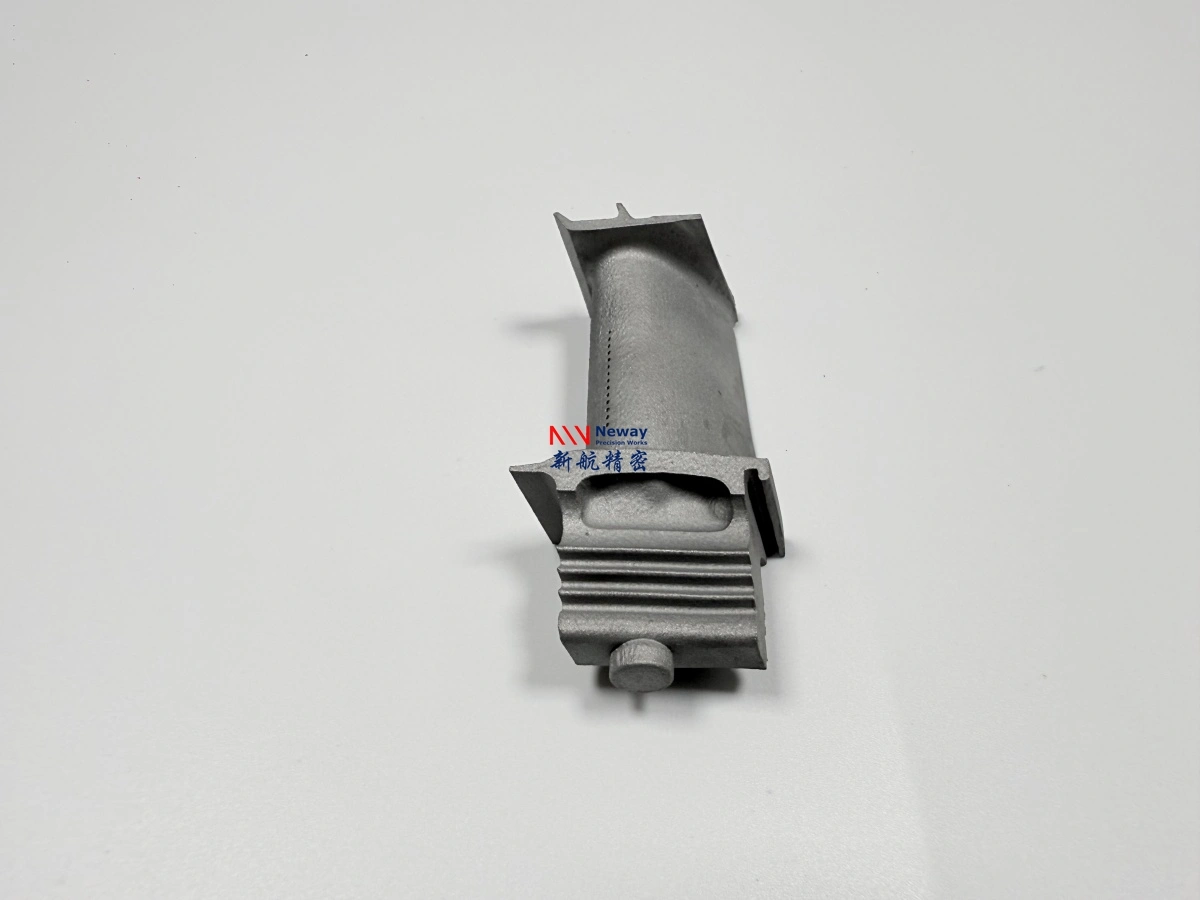
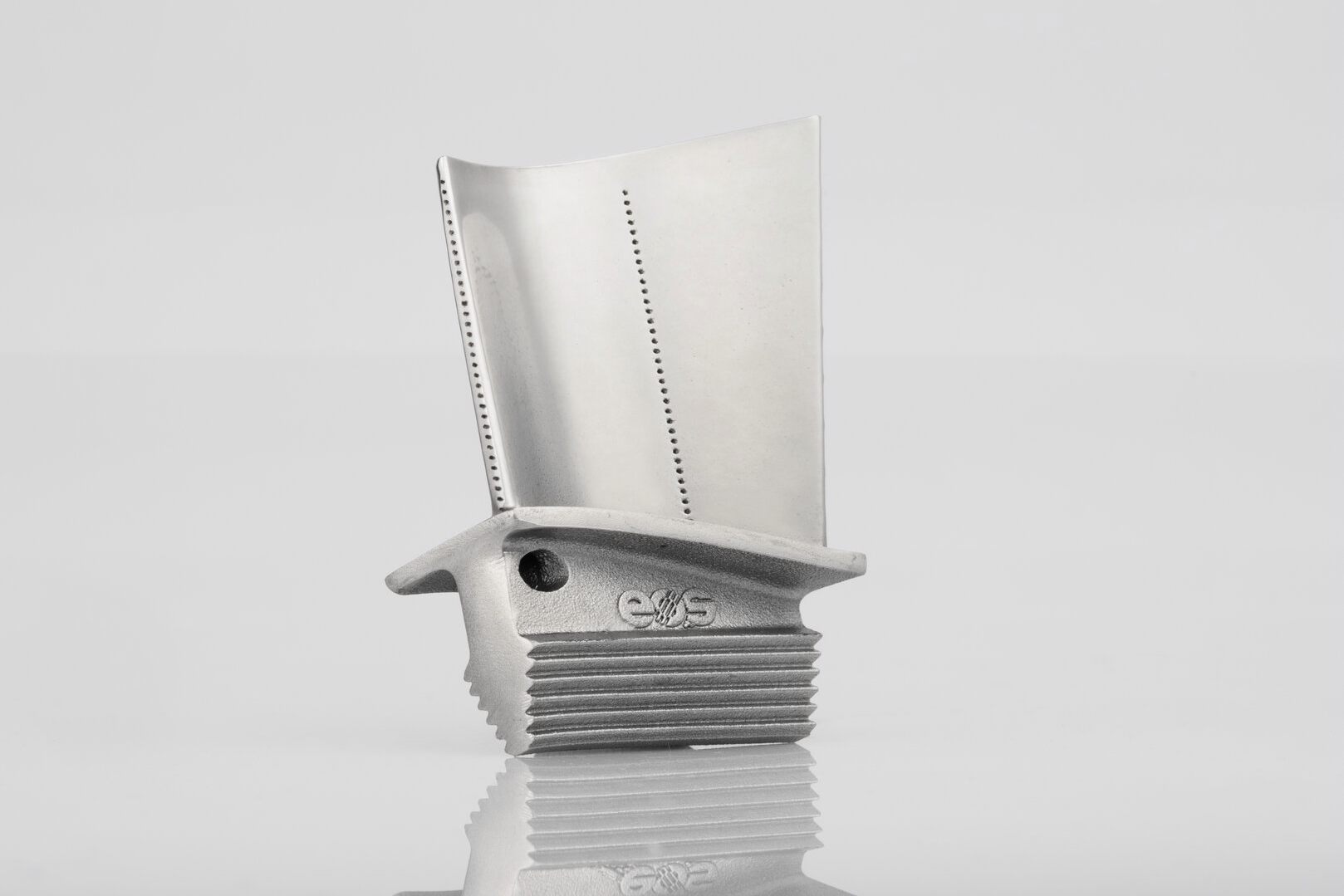
Yes, Electrical Discharge Machining (EDM) can effectively handle both small and large superalloy components, making it one of the most versatile manufacturing processes for these challenging materials. The non-contact nature of EDM allows it to machine complex features in superalloys regardless of component size, as the cutting force is independent of material hardness or strength. For small, intricate components such as fuel injector nozzles or cooling hole features in turbine blades, EDM provides unparalleled precision for creating fine details that would be impossible with conventional machining.
Small Component Precision Applications
For miniature components, EDM excels at creating micro-features in superalloys like Inconel 718 and Hastelloy X. Micro-EDM can produce holes as small as 0.1mm diameter with exceptional accuracy, making it ideal for aerospace components requiring precise cooling channels or intricate geometries. The process maintains this precision even in the hardest superalloys after full heat treatment, avoiding the tool wear issues that plague conventional micromachining. This capability is crucial for manufacturing small but critical components used in aerospace applications where reliability is paramount.
Large Component Machining Capabilities
For large components, EDM systems with substantial work envelopes can process parts measuring several meters while maintaining precision. Large turbine discs manufactured through powder metallurgy, massive valve bodies for oil and gas applications, and large structural components all benefit from EDM's ability to machine hard materials without inducing stress. Sinker EDM can create complex cavities and profiles in these large components, while wire EDM can separate large blocks of material or create intricate external contours with tight tolerances.
Process Considerations for Different Scales
The implementation of EDM does require different strategies based on component size. For small parts, multiple components are often processed simultaneously using specialized fixtures to maximize efficiency. For large components, the challenges include dielectric fluid management, electrode design and wear compensation, and process time optimization. However, advanced EDM systems with adaptive control can automatically adjust parameters throughout the machining process to maintain consistency regardless of feature size or component dimensions.
Complementary Role in Manufacturing Workflow
EDM often serves as a complementary process to conventional CNC machining in the manufacturing of both small and large superalloy components. While CNC machining handles the bulk material removal, EDM addresses the most challenging features such as sharp internal corners, deep slots, and complex 3D geometries that would be difficult or impossible with rotating cutting tools. This combination allows manufacturers to leverage the strengths of both processes, resulting in higher quality components with complex features for demanding applications in power generation and aerospace industries.