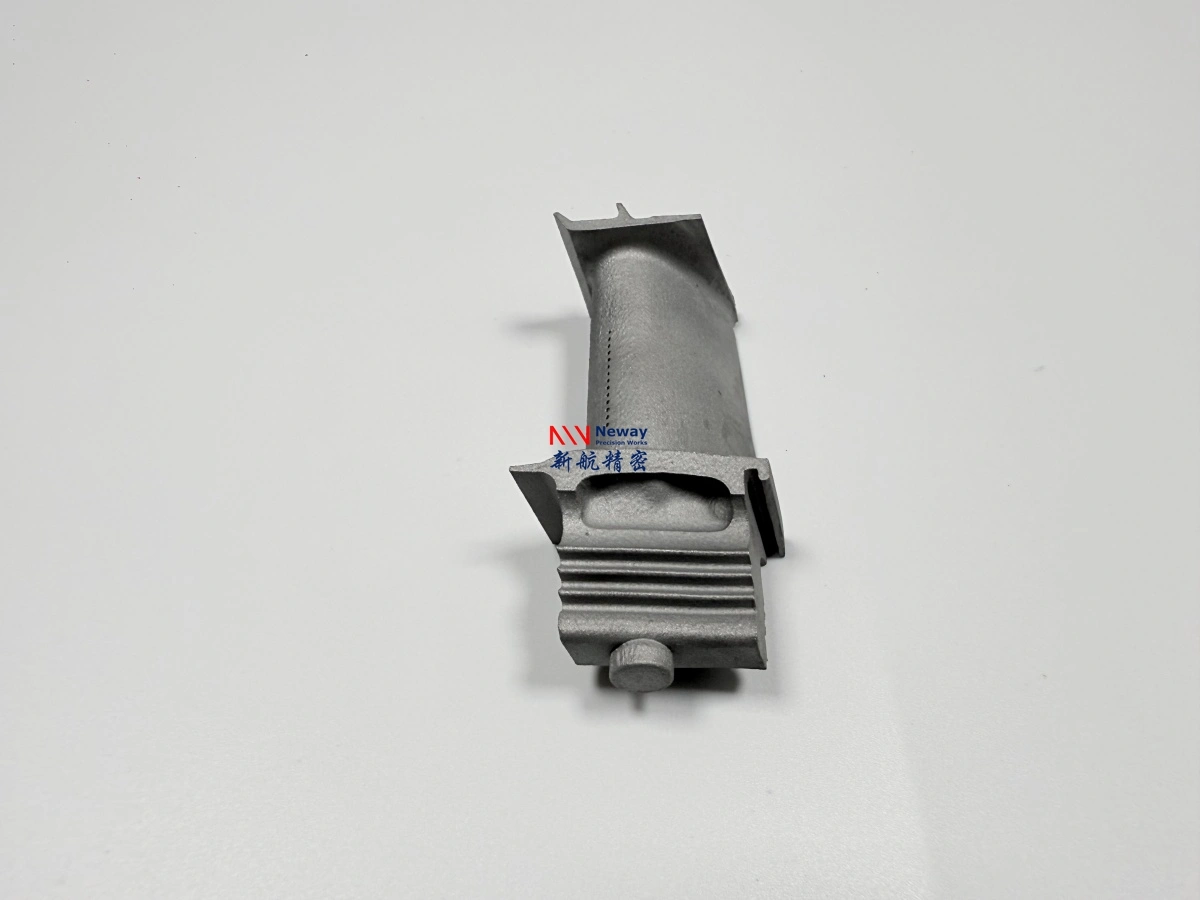
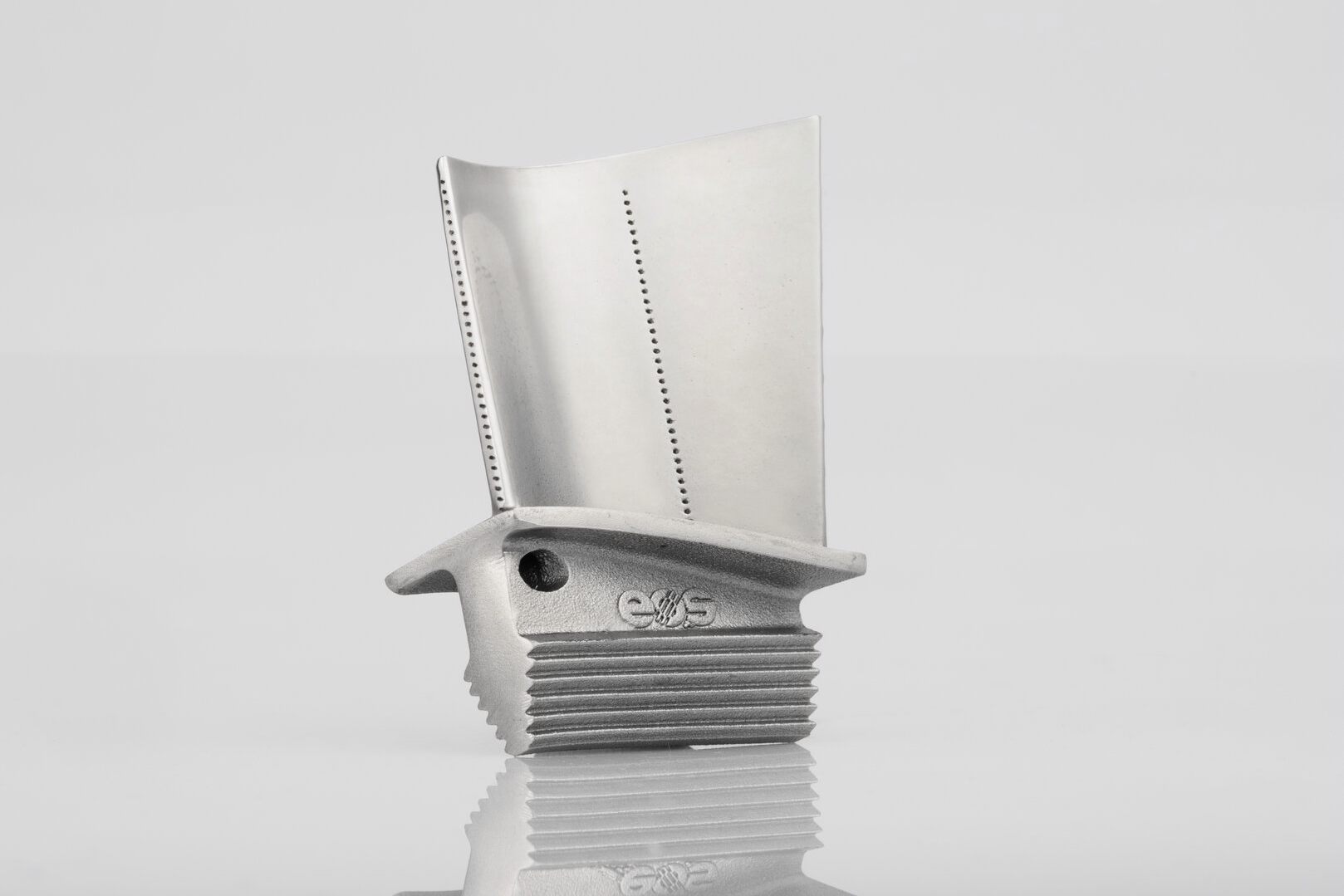
Can EDM Handle Both Large and Small-Scale Superalloy Components?
Can EDM Handle Both Large and Small-Scale Superalloy Components?
Yes. EDM can handle both large and small-scale superalloy components, as long as the part size, feature geometry, electrode access, machine travel, fixturing method, and tolerance requirements are properly evaluated. For high-temperature alloys used in aerospace, gas turbine, energy, and industrial applications, EDM is especially useful for machining hard materials, narrow slots, small holes, complex contours, and difficult-to-reach features that are challenging for conventional cutting tools.
For Superalloys, EDM is often used together with casting, heat treatment, and precision machining. Large components may require stable fixturing, section-based machining, and careful datum control, while small components require micro-feature accuracy, burr-free edges, and strict surface integrity control. NewayAeroTech can support Superalloy Electrical Discharge Machining EDM for complex hot-section and high-temperature alloy parts.
1. Direct Answer: Can EDM Process Large and Small Superalloy Parts?
EDM can process both large and small superalloy parts because it removes material through electrical discharge rather than mechanical cutting force. This makes it suitable for difficult-to-machine alloys such as Inconel, Hastelloy, Rene alloys, Nimonic alloys, cobalt-based alloys, and other heat-resistant materials. The key limitation is not only material hardness, but whether the machine size, electrode design, flushing condition, and fixture setup can match the part geometry.
Component Scale | Typical EDM Application | Main Control Point |
|---|---|---|
Large superalloy components | Gas turbine cases, heat shields, combustor hardware, large castings, and structural hot-section parts. | Machine travel, fixturing stability, datum control, electrode access, and deformation management. |
Medium-size turbine parts | Nozzle guide vanes, turbine vanes, shrouds, brackets, and precision cast components. | Feature accuracy, repeatability, alignment with CNC-machined datums, and surface quality. |
Small superalloy components | Micro slots, small holes, narrow grooves, thin-wall vane features, and compact aerospace parts. | Electrode wear, edge quality, recast layer control, microcrack risk, and inspection method. |
2. Why Is EDM Suitable for Superalloy Components?
EDM is suitable for superalloy components because it does not rely on high cutting force. Many superalloys retain strength at elevated temperatures and are difficult to machine by conventional milling, drilling, or turning. EDM can machine hard and heat-resistant alloys with less mechanical stress on thin walls, sharp corners, deep slots, and delicate features.
This is useful for Inconel alloy parts, cast turbine components, hot-section vanes, heat shields, and other complex superalloy parts where conventional tools may suffer from rapid wear, vibration, burrs, or limited access.
3. How Does EDM Handle Large Superalloy Components?
For large superalloy components, EDM feasibility depends on the machine stroke, worktable size, part weight, electrode access, and fixturing method. Large parts may require modular fixture design, multiple setup positions, careful datum transfer, and process planning between EDM and Superalloy CNC Machining.
Large-Part EDM Factor | Why It Matters | Recommended Control |
|---|---|---|
Machine travel | The EDM machine must reach the required feature location. | Check part envelope, electrode path, and machining stroke before quotation. |
Part weight | Large castings or turbine parts need stable support. | Use rigid fixtures and confirm worktable load capacity. |
Datum control | EDM features must align with casting and CNC-machined references. | Use shared datums, CMM confirmation, and setup inspection. |
Electrode access | Complex large geometry may block direct access to deep or side features. | Review CAD model, feature direction, and electrode approach angle. |
Thermal and residual stress | Large superalloy parts may already contain casting or heat-treatment stress. | Plan stress relief or Superalloy Heat Treatment where required. |
4. How Does EDM Handle Small Superalloy Components?
For small superalloy components, EDM is valuable because it can create narrow slots, small holes, fine contours, and delicate features without heavy cutting force. This is important for small turbine vanes, UAV engine NGV parts, precision combustor hardware, miniature hot-section parts, and small aerospace brackets.
The main challenge is not only machining the feature, but preserving edge quality and surface integrity. Small superalloy parts may be sensitive to recast layer, microcracks, overburn, electrode wear, and difficult inspection access.
Small-Part EDM Factor | Why It Matters | Recommended Control |
|---|---|---|
Electrode wear | Small features can lose accuracy if electrode wear is not controlled. | Use proper electrode material, compensation strategy, and process monitoring. |
Edge quality | Thin edges may chip, overburn, or become stress concentration points. | Control discharge parameters and inspect edges after EDM. |
Recast layer | EDM can leave a heat-affected surface layer. | Specify surface integrity requirements and remove or control recast layer where needed. |
Microcrack risk | High thermal energy can create small surface cracks if parameters are too aggressive. | Use finishing passes, FPI where required, and process validation. |
Inspection access | Small holes and slots can be difficult to verify by standard tools. | Use optical inspection, pin gauges, CMM, section inspection, or CT where needed. |
5. What Superalloy Features Are Commonly Machined by EDM?
EDM is commonly used for narrow slots, cooling holes, shaped holes, thin grooves, sharp internal corners, deep cavities, difficult-to-drill holes, and local features in hard superalloy components. It is also useful when conventional cutting tools cannot access the feature or would create excessive cutting force.
EDM Feature | Typical Component | Why EDM Is Used |
|---|---|---|
Narrow slots | Turbine vanes, heat shields, seals, and shrouds. | Conventional milling tools may be too large or unstable. |
Small holes | Cooling features, nozzle parts, and combustion hardware. | Superalloy hardness makes micro-drilling difficult. |
Deep features | Large hot-section components and structural turbine parts. | EDM can machine difficult deep features with controlled electrode access. |
Sharp internal corners | Precision castings, brackets, and turbine-related components. | EDM can form details that are difficult with round cutting tools. |
Complex local profiles | Vane platforms, seal features, and custom superalloy components. | Electrode shape can be designed for special geometry. |
6. How Does EDM Work with Casting and CNC Machining?
EDM is often part of a hybrid manufacturing route. For superalloy parts, the blank may be produced by Vacuum Investment Castings or other casting processes, then heat treated, CNC machined, and finally EDM-machined for features that are difficult to cut by standard tools.
For static hot-section castings, Equiaxed Crystal Casting may form the near-net superalloy body, while CNC and EDM finish the functional details. The key is to align casting datums, CNC datums, EDM setup references, and final inspection datums.
Process | Role in Superalloy Part Manufacturing | Connection with EDM |
|---|---|---|
Casting | Forms the near-net superalloy body and complex base geometry. | Must leave enough allowance for EDM and machining-critical features. |
Heat treatment | Stabilizes material condition and supports high-temperature performance. | May be required before or after EDM depending on material and specification. |
CNC machining | Controls datums, mounting faces, sealing surfaces, and general precision features. | Provides accurate reference surfaces for EDM setup. |
EDM | Machines narrow, deep, hard-to-reach, or complex features in hard superalloys. | Completes features that conventional tools cannot machine efficiently. |
Inspection | Verifies final dimensions, defects, and surface condition. | Checks EDM feature accuracy, recast layer risk, and edge quality. |
7. What Quality Risks Should Be Controlled in Superalloy EDM?
Superalloy EDM quality risks include recast layer, microcracks, overburn, taper, electrode wear, poor flushing, blocked holes, rough surfaces, edge damage, and dimensional drift. These risks are especially important for aerospace, turbine, and hot-section components because small surface defects can become crack initiation points during thermal cycling.
Superalloy Material Testing and Analysis can support failure analysis, surface condition review, metallurgical evaluation, and inspection planning for EDM-machined superalloy components.
EDM Risk | Possible Impact | Control Method |
|---|---|---|
Recast layer | May reduce fatigue or thermal-cycle reliability if uncontrolled. | Use finishing passes, surface treatment, or removal requirement where needed. |
Microcracks | Can initiate cracks during vibration or high-temperature service. | Control EDM parameters and use FPI or microscopic inspection where required. |
Electrode wear | Can reduce dimensional accuracy and repeatability. | Use wear compensation and periodic electrode checks. |
Poor flushing | Can cause unstable discharge, debris buildup, and rough surfaces. | Optimize flushing path, electrode design, and cleaning process. |
Edge damage | Can affect sealing, flow, assembly, or crack resistance. | Inspect edges and apply controlled deburring or finishing where allowed. |
8. What Information Is Needed for a Superalloy EDM RFQ?
For a superalloy EDM quotation, buyers should provide 3D CAD files, 2D drawings, alloy grade, part size, feature details, tolerance requirements, surface integrity requirements, inspection standards, quantity, and whether the part is a prototype or production component. If the component is large, machine envelope and fixture strategy should be reviewed early. If the component is small, feature access and inspection method should be confirmed.
RFQ Information | Recommended Input | Why It Matters |
|---|---|---|
Material grade | Inconel, Hastelloy, Rene alloy, Nimonic alloy, cobalt alloy, or customer standard. | Determines EDM parameters, electrode wear, and inspection risk. |
Part size | Overall dimensions, weight, and fixture constraints. | Confirms whether the EDM machine can handle the component envelope. |
Feature details | Slots, holes, grooves, cavities, sharp corners, or special profiles. | Supports electrode design and process planning. |
Tolerance requirement | Dimensional tolerance, position tolerance, profile tolerance, and datum scheme. | Defines EDM setup, inspection method, and cost. |
Surface requirement | Roughness, recast layer limit, crack-free requirement, or post-EDM finishing. | Controls surface integrity and service reliability. |
Inspection requirement | CMM, visual inspection, FPI, section inspection, CT, or material analysis. | Defines quality-control scope and delivery documentation. |
9. Summary
EDM can handle both large and small-scale superalloy components when machine capacity, electrode access, fixturing, datum control, feature geometry, tolerance, and inspection requirements are properly reviewed. Large components require stable setup and machine envelope planning, while small components require fine feature control, edge quality, and surface integrity inspection.
For superalloy EDM projects, buyers should provide CAD files, drawings, alloy grade, component size, feature details, tolerances, surface requirements, quantity, and inspection standards. A reliable turbine component EDM supplier should control EDM parameters, electrode wear, flushing, recast layer, microcrack risk, edge quality, and final inspection for both large hot-section components and small precision superalloy parts.