What Post-Processing Follows Deep Hole Drilling in Superalloy Manufacturing?
Critical Steps After Deep Hole Drilling
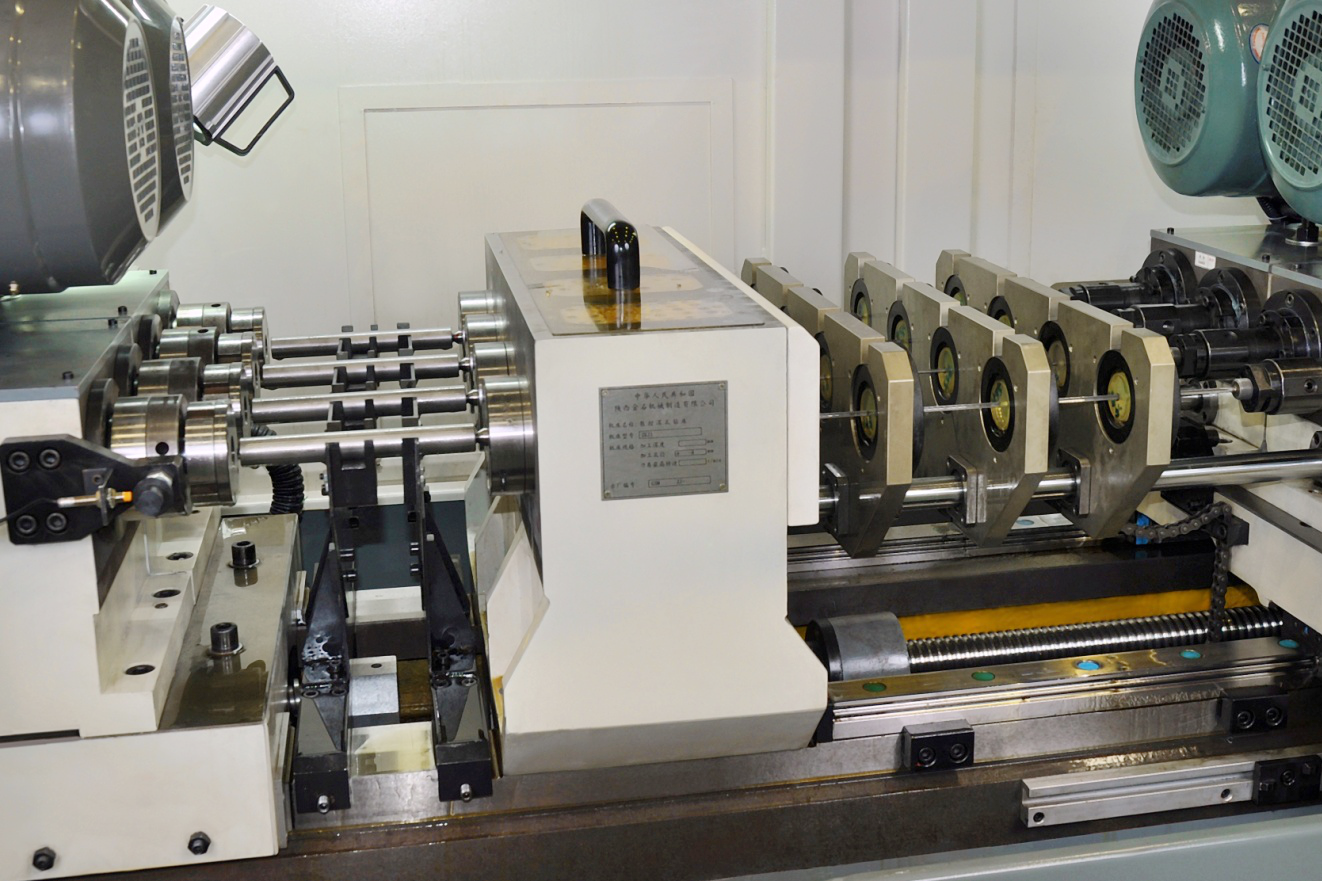
Deep hole drilling is a critical machining process for creating cooling channels and other intricate passages in superalloy components. However, the process itself can introduce surface defects and residual stresses that necessitate specific post-processing to ensure component integrity and performance. The sequence of operations that follows is essential for parts used in aerospace and aviation and power generation.
Internal Surface Finishing and Deburring
The immediate step after deep hole drilling is often internal surface finishing. The drilled bore can contain micro-cracks, a re-cast layer, or feed marks that act as stress concentrators. Processes like honing, abrasive flow machining (AFM), or electro-chemical machining (ECM) are employed to smooth the internal surface, remove the affected layer, and improve surface finish. This step is crucial for enhancing fatigue life and ensuring consistent fluid flow in cooling applications.
Stress Relief Heat Treatment
Deep hole drilling imposes significant mechanical and thermal stresses on the surrounding material. A stress relief heat treatment is frequently applied to relax these stresses without significantly altering the material's hardened microstructure. This process stabilizes the component's dimensions, preventing distortion during subsequent machining or in service, and is particularly important for complex parts like those from investment casting that have already been heat-treated.
Non-Destructive Testing (NDT) of Internal Features
Verifying the quality of the deep-drilled hole is paramount. Non-destructive testing methods are specifically chosen for inspecting internal passages. Boroscopy is used for a direct visual inspection of the bore's surface for cracks, erosion, or debris. For more critical components, eddy current testing can detect surface and near-surface flaws, while ultrasonic testing might be used to check for material inconsistencies around the hole. This material testing and analysis ensures the integrity of the feature that was just created.
Integration with Final Heat Treatment and Coating
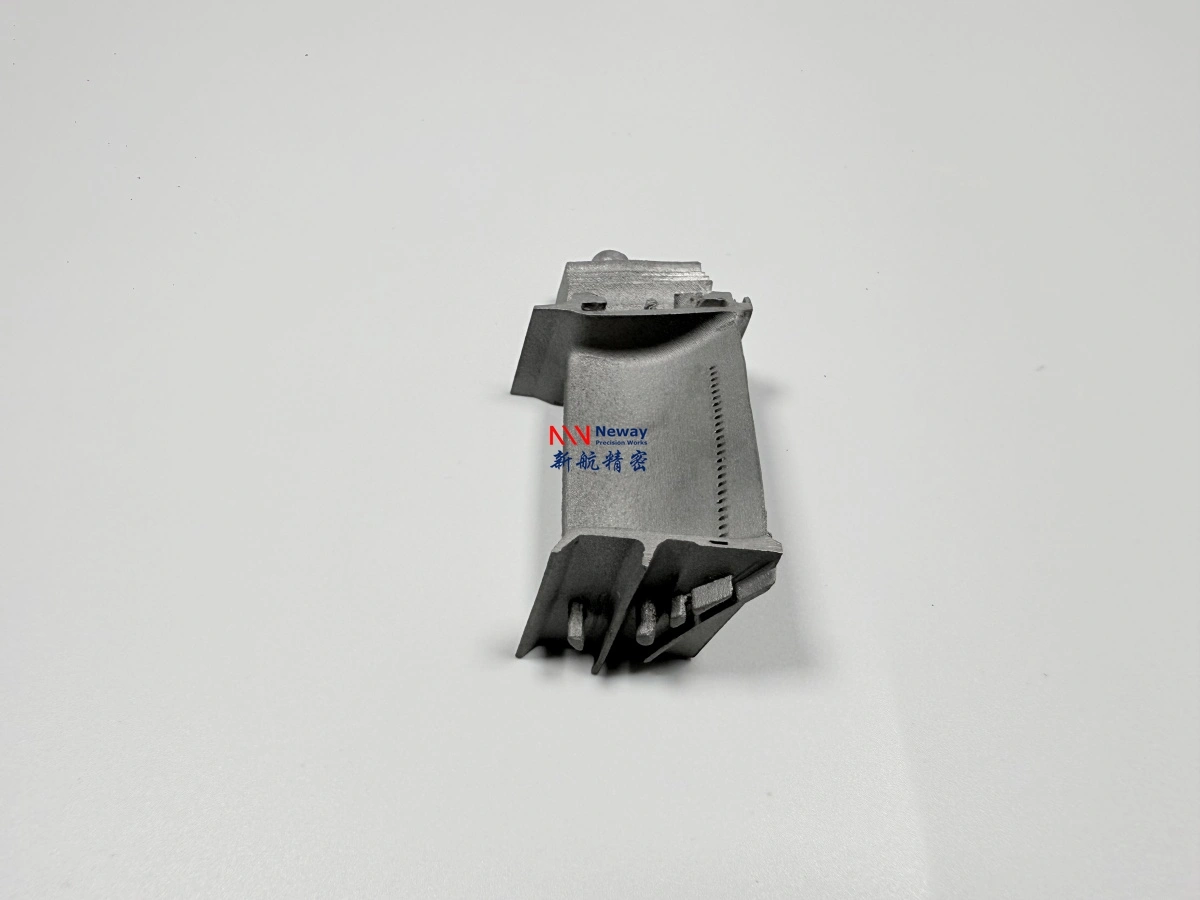
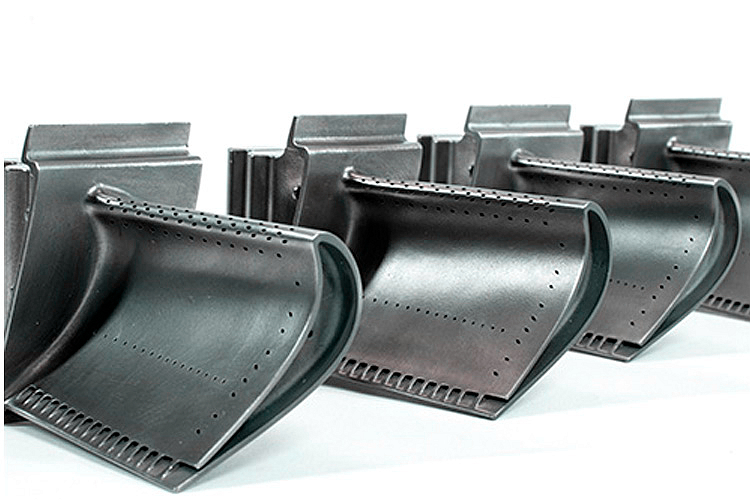
If the component has not yet undergone its final thermal processing, deep hole drilling may be followed by a full heat treatment cycle to develop optimal mechanical properties. For turbine blades and vanes, this is often followed by the application of a thermal barrier coating (TBC). It is critical that the internal passages are clean and stress-relieved before these final steps to ensure proper coating adhesion and microstructural stability.