How does deep hole drilling improve surface quality in superalloy parts?
Surface Finishing Benefits
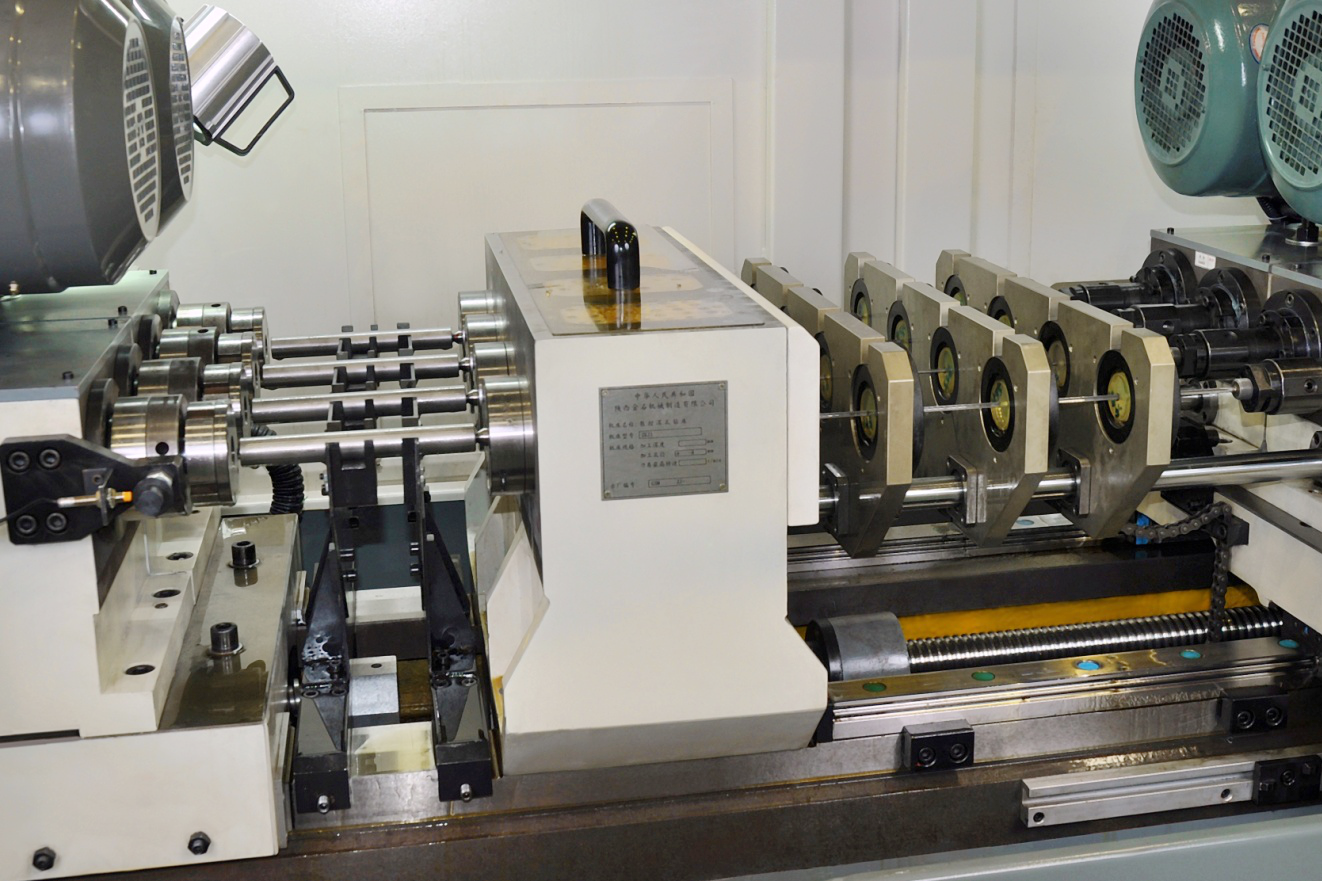
Deep hole drilling can significantly enhance surface quality in superalloy parts by using controlled feed rates, optimized tool geometry, high-pressure coolant and step-drilling strategies. These techniques reduce friction and heat generation, resulting in smoother internal surfaces with lower roughness values. After drilling, finishing operations such as precision superalloy CNC machining and honing are applied to refine bore geometry and ensure dimensional accuracy.
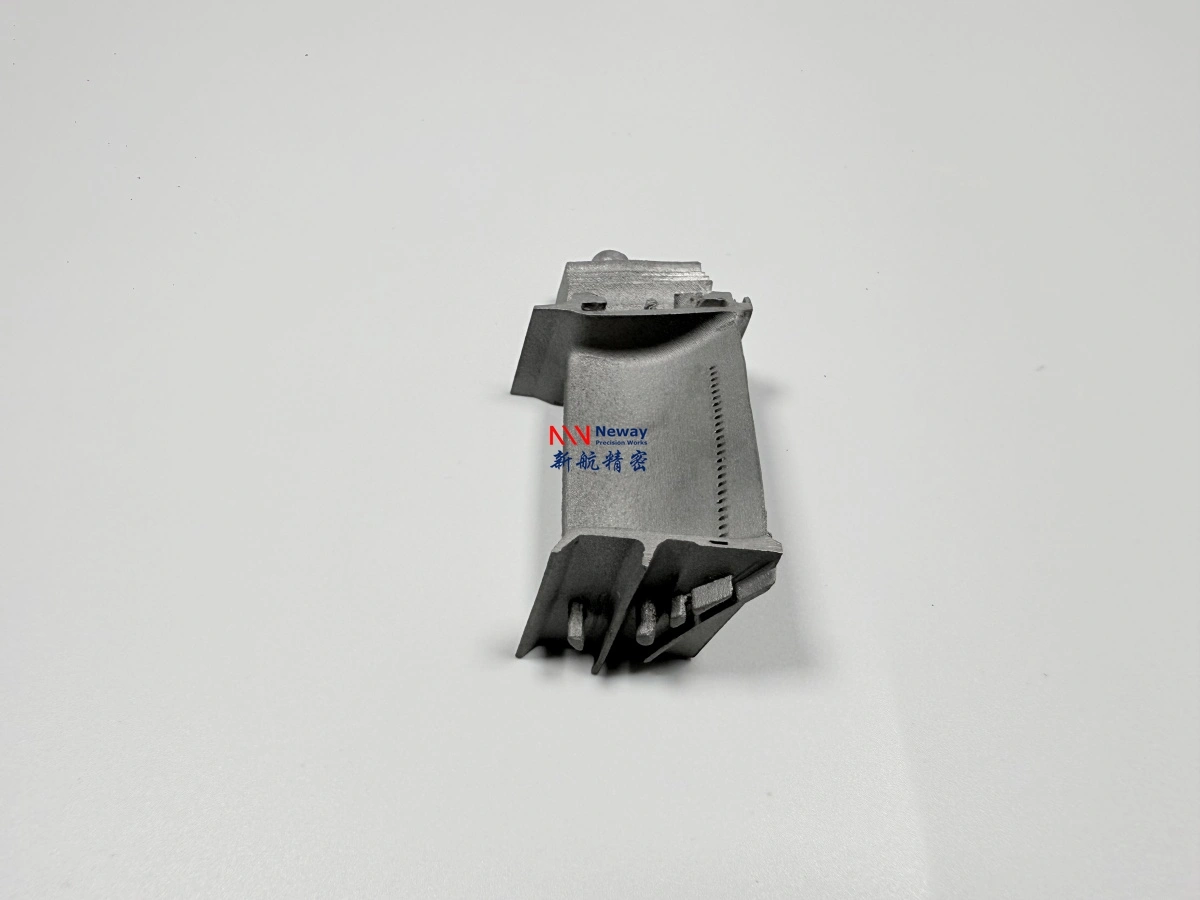
For high-temperature alloys like Inconel 738 or Hastelloy grades, minimizing heat during drilling prevents surface oxidation, micro-cracking and work hardening—key issues that affect long-term fatigue strength.
Interaction with Material Properties
Nickel-based and single-crystal alloys are prone to rapid work hardening. Deep hole drilling, when correctly applied, maintains stable chip evacuation and reduces contact pressure between the tool and workpiece. This protects grain boundaries and prevents surface defects in components manufactured via single crystal casting or equiaxed crystal casting. Combining drilling with post-processing—such as heat treatment and HIP—improves surface cohesion and reduces machining-induced stress.
Quality Assurance and Inspection
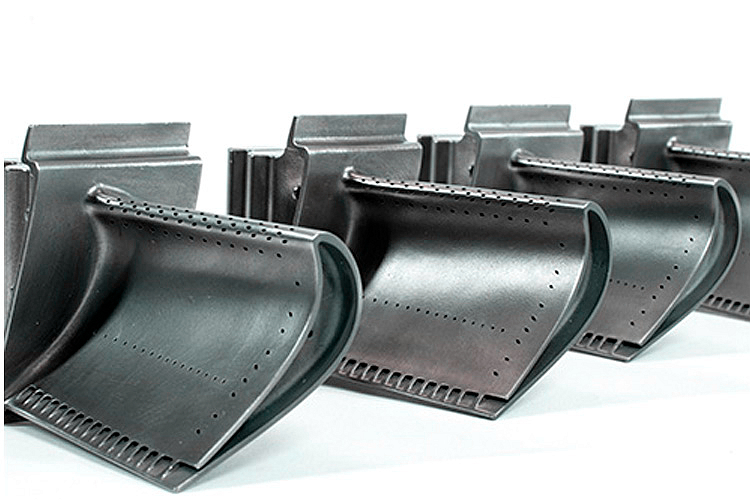
Post-drilling quality is verified through bore roughness measurement, laser profilometry and visual inspection using borescopes. For critical aerospace components, non-destructive material testing and analysis detects micro-defects that may lie beneath an otherwise smooth surface. When high surface quality is required, combining drilling with electrochemical polishing or abrasive flow machining ensures internal channels meet aerodynamic and thermal performance standards.
By integrating drilling, finishing and inspection, surface quality can be significantly enhanced without compromising the structural integrity of superalloy components.