How does deep hole drilling compare to other methods in reducing distortion?
Distortion Control Mechanisms
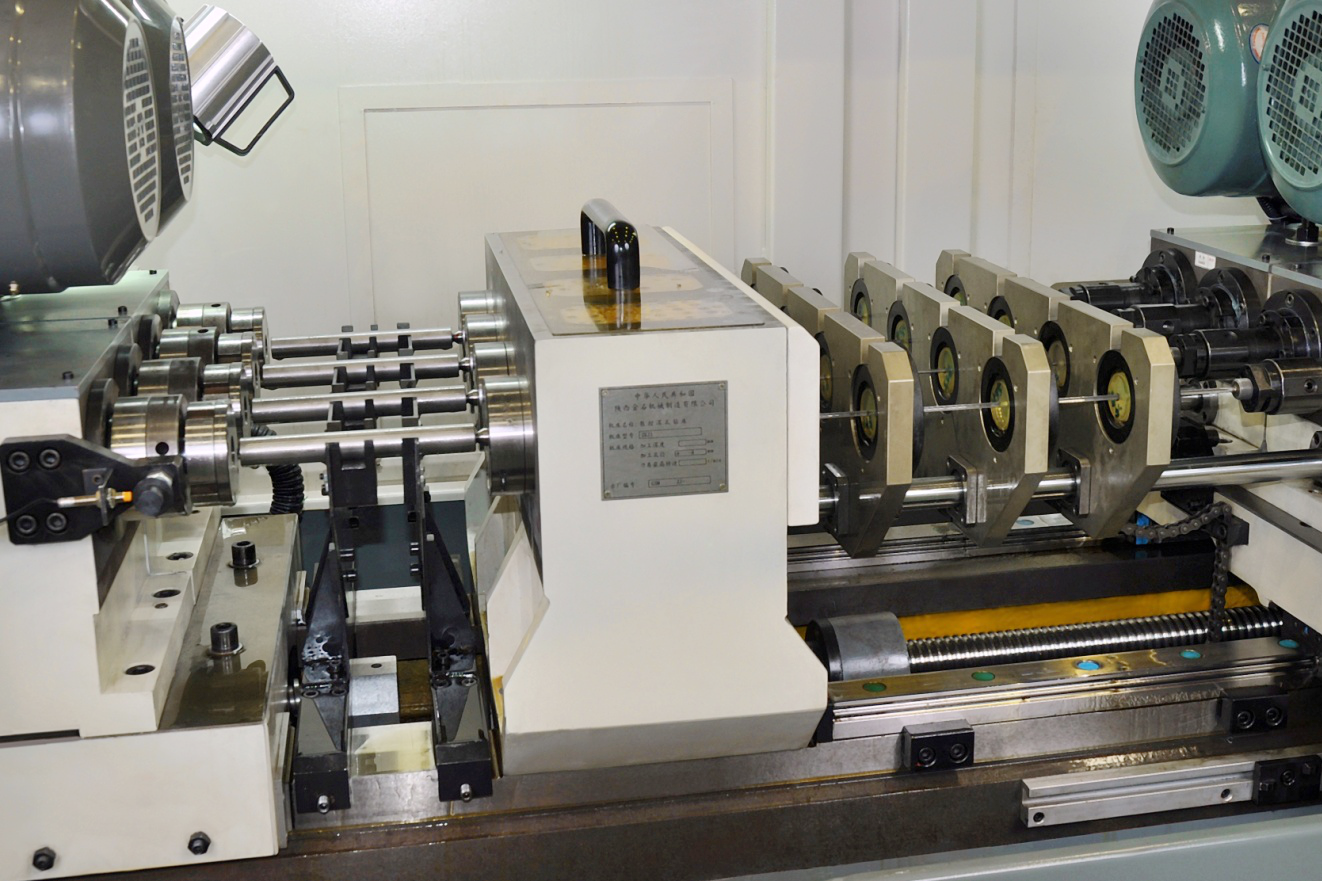
Distortion in superalloy components often results from uneven heat distribution, excessive mass, or stress accumulation during operation. Deep hole drilling reduces distortion by enabling weight optimization and efficient heat transfer through internal cooling or lubrication channels. Compared to bulk geometry reduction, drilling maintains material continuity and preserves overall stiffness—critical for components produced via vacuum investment casting or single crystal casting.
Unlike milling or external machining, which may weaken structural walls, deep hole drilling removes material internally and strategically. This helps distribute loads more uniformly while minimizing geometric distortion under high mechanical and thermal stress.
Comparison with Other Processing Methods
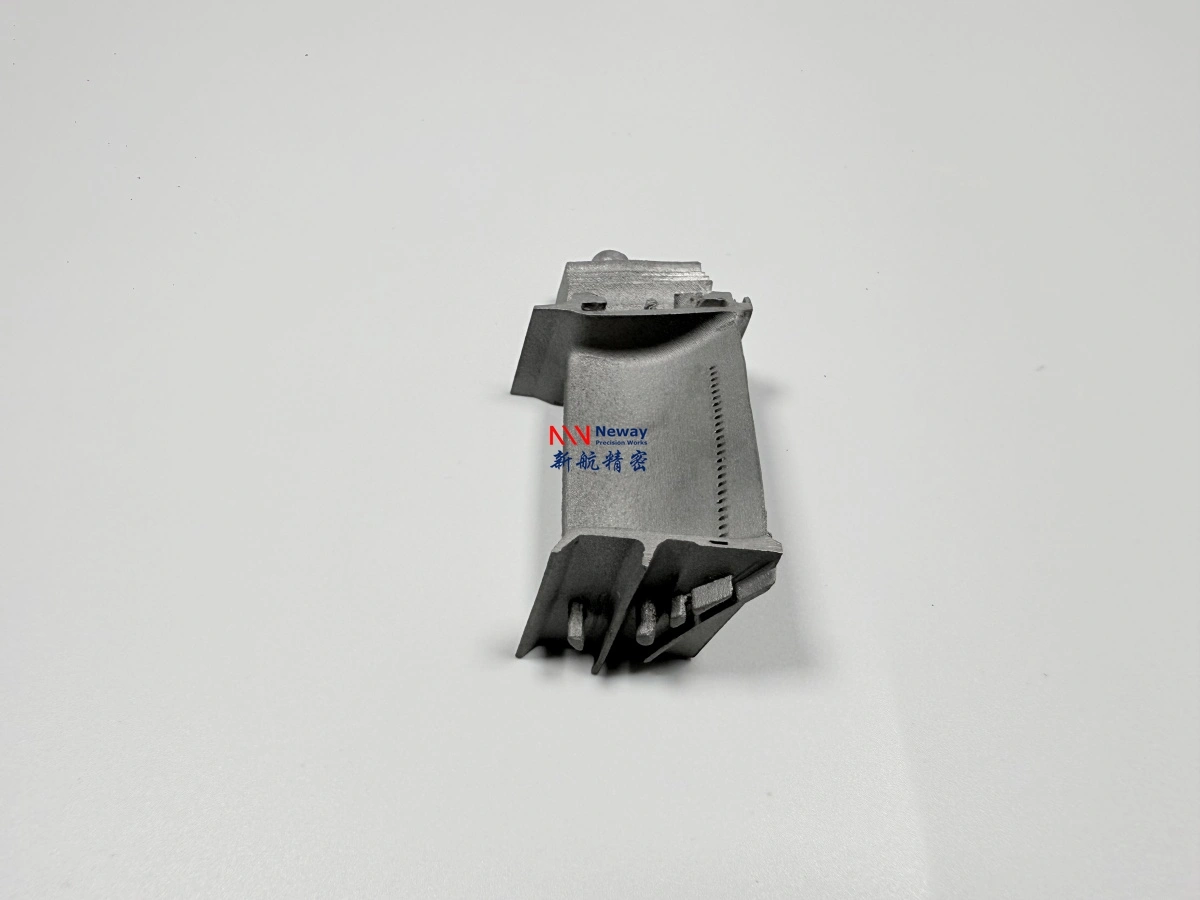
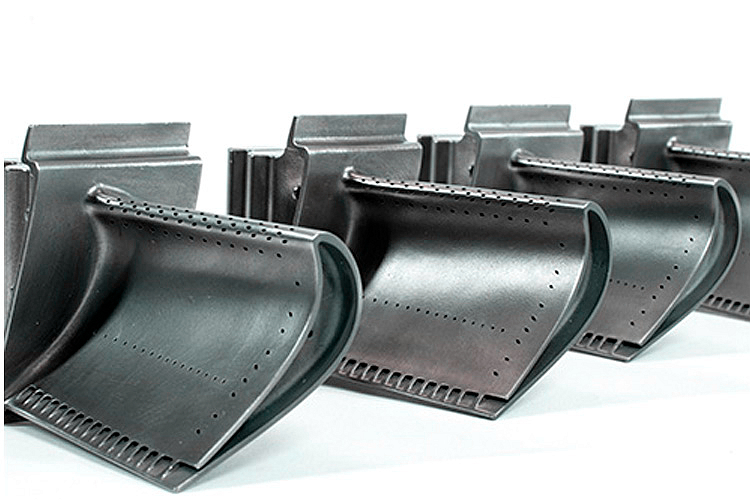
Traditional processes such as slot milling or pocket machining can reduce local mass but often create stress concentration points. Deep hole drilling offers better structural continuity and enables optimized cooling-channel geometry—particularly in high-temperature alloys like Inconel 738LC or Hastelloy X, where minimizing distortion prevents micro-crack initiation.
In components exposed to extreme heat, deep-drilled channels support superior thermal balancing compared to surface machining alone. Combining drilling with post-processing—like heat treatment or HIP—enhances dimensional stability far more effectively than shaping methods alone.
Application-Driven Advantages
In aerospace turbine blades and high-speed rotors, deep-drilled structures achieve significant distortion control with minimal impact on mechanical strength. After drilling, precision superalloy CNC machining ensures geometric accuracy of channels, while material testing and analysis verifies structural integrity via X-ray CT or ultrasonic inspection.
As operating temperatures and efficiency demands increase in aerospace and power generation sectors, deep hole drilling remains superior to external machining in reducing distortion while supporting structural strength and thermal balance.