How Aerospace and Power Industries Gain from Deep Hole Drilling in Superalloys
Enhanced Cooling for Increased Operating Temperatures
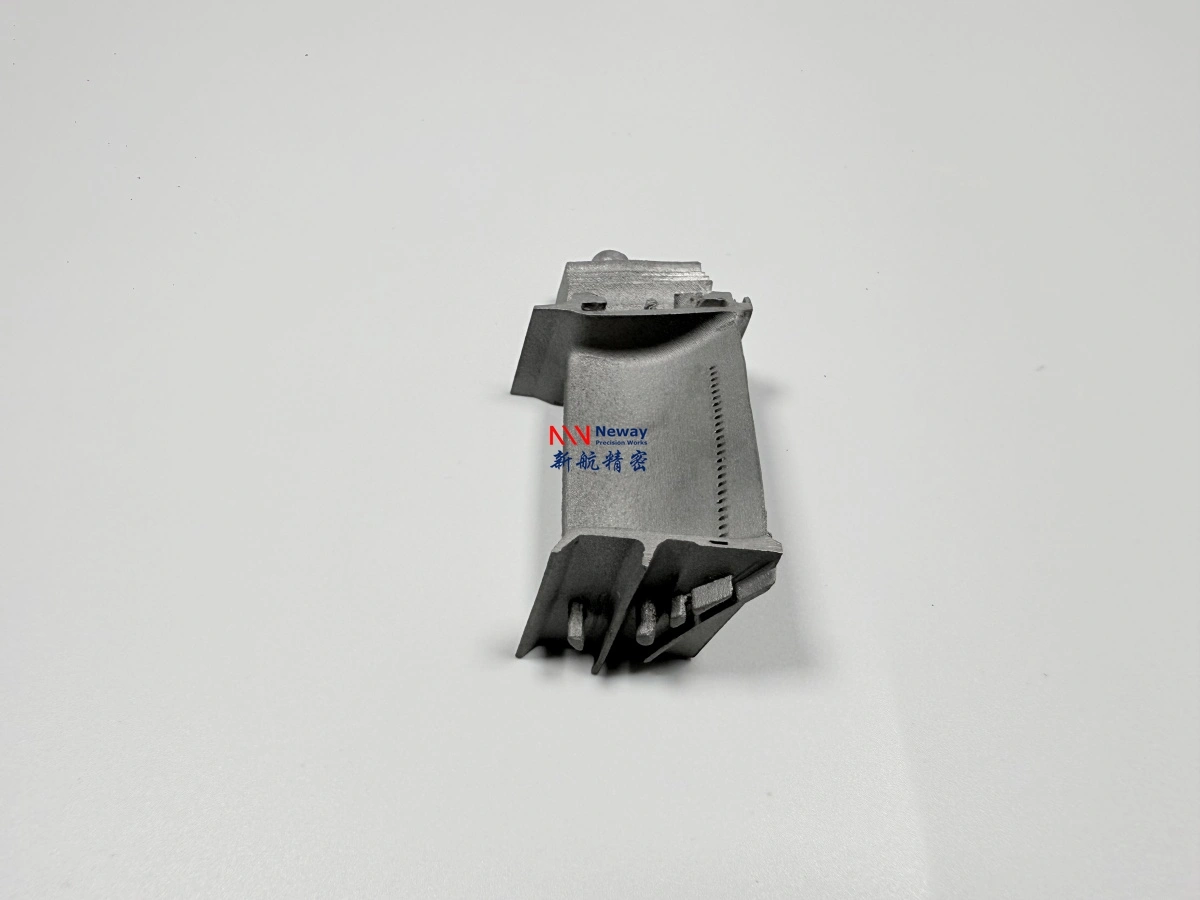
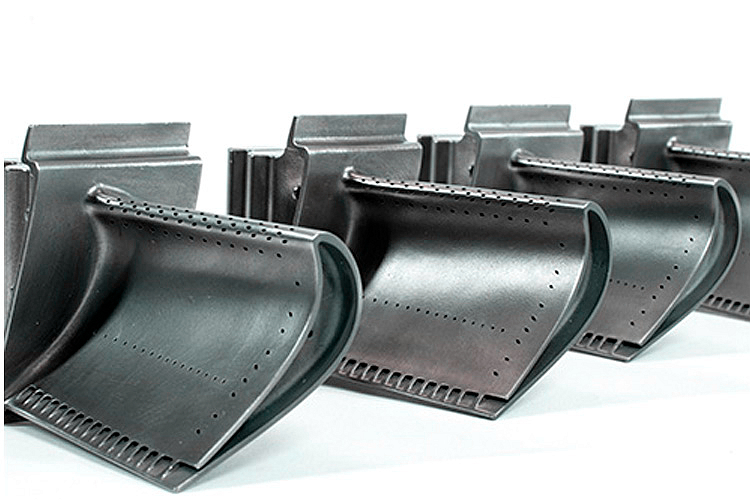
The aerospace and power generation industries gain fundamentally from deep hole drilling through enabled thermal management breakthroughs. In aerospace and aviation, this process creates intricate cooling channels within turbine blades and vanes manufactured via single crystal casting. These precisely engineered passages allow compressor-bled air to circulate through components, forming protective cooling films that enable operation in gas path temperatures exceeding the superalloy's melting point. This directly translates to higher turbine inlet temperatures in both jet engines and power generation gas turbines, resulting in significant improvements in thermal efficiency and thrust output.
Extended Component Lifespan and Reliability
Deep hole drilling contributes directly to enhanced durability and reduced maintenance costs. By maintaining lower metal temperatures through effective cooling, components experience reduced thermal stress and slower degradation mechanisms like creep and oxidation. This is particularly critical for high-pressure turbine blades made from advanced Inconel alloys and Rene alloys. The extended service intervals and improved reliability directly benefit operational economics in both industries, where unscheduled downtime carries enormous financial consequences, especially in continuous-operation power plants.
Enabling Advanced Designs and Materials
The technology enables the use of increasingly sophisticated superalloys and component architectures. For powder metallurgy turbine discs, deep hole drilling creates necessary cooling and balancing passages that would be impossible with conventional machining. It allows designers to implement complex internal cooling schemes like serpentine channels and multi-pass systems in blades cast from directionally solidified materials, pushing the boundaries of what's thermally possible while maintaining structural integrity under extreme centrifugal loads.
Improved Efficiency and Emissions Reduction
Both industries benefit from the environmental advantages made possible by advanced cooling technologies. In power generation, the increased efficiency resulting from higher operating temperatures directly reduces fuel consumption per megawatt-hour produced, leading to lower carbon emissions. For aerospace, more efficient engines consume less fuel, extending aircraft range and reducing the environmental footprint of air travel. This strategic advantage aligns with global sustainability initiatives while providing competitive operational economics, making deep hole drilling a critical enabler of next-generation propulsion and power systems.