What Are the Leading Industry Applications of SLM-Printed Nimonic 80A Parts?
Aerospace: Turbine and Combustion Components
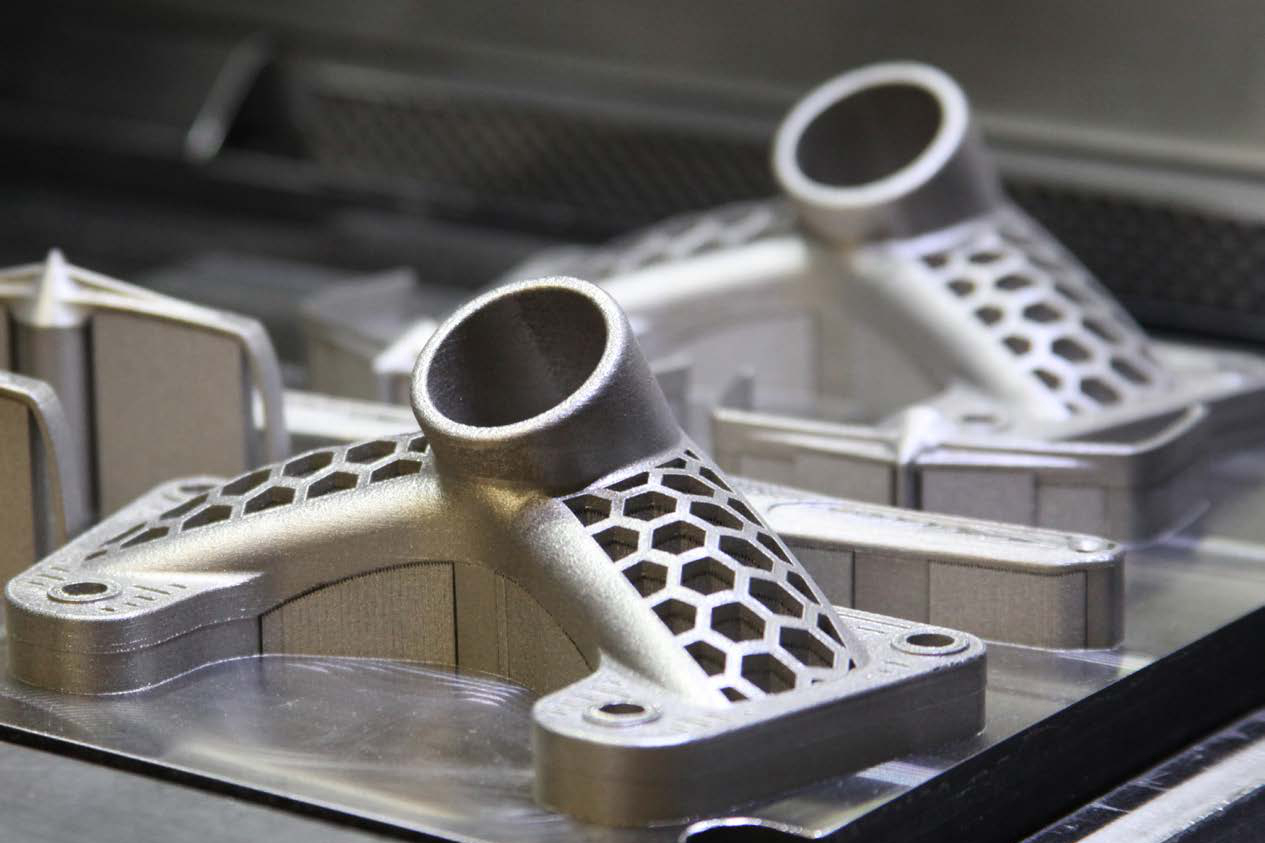
The aerospace and aviation industry represents the primary application for SLM-printed Nimonic 80A, particularly in gas turbine engines. The alloy's excellent creep resistance and strength retention at temperatures up to 815°C make it ideal for turbine blades, stator vanes, and combustion chamber liners. SLM technology enables the integration of complex internal cooling channels within these components that cannot be produced through conventional equiaxed crystal casting, allowing for higher operating temperatures and improved engine efficiency. The ability to rapidly prototype and produce replacement components for legacy engines also provides significant maintenance advantages.
Power Generation: Turbine Blades and Fasteners
In the power generation sector, SLM-printed Nimonic 80A is extensively used for land-based gas turbine components. The technology enables production of turbine blades with optimized cooling architectures that extend service life under continuous high-temperature operation. Additionally, critical fasteners, bolts, and springs manufactured via SLM benefit from the material's high stress rupture strength and resistance to relaxation at elevated temperatures. Following printing, these components undergo specialized heat treatment to optimize their γ' precipitation structure for maximum performance.
Automotive: Turbocharger and Exhaust Systems
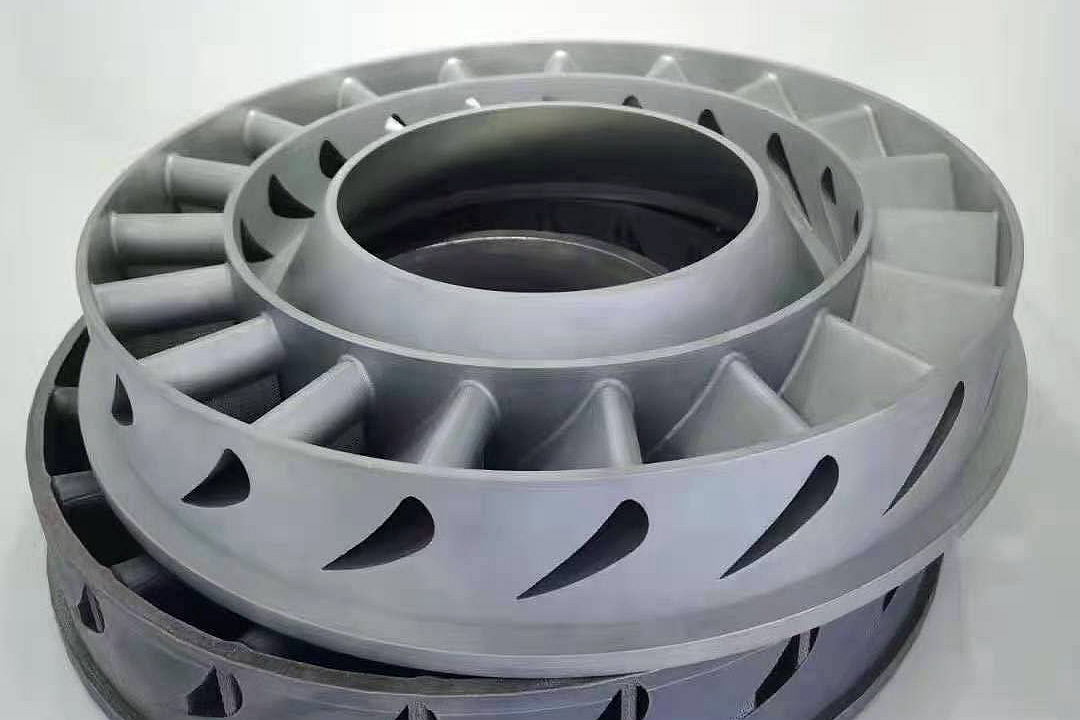
The automotive industry, particularly high-performance and racing sectors, utilizes SLM-printed Nimonic 80A for turbocharger turbines and high-temperature exhaust components. SLM enables lightweight, topology-optimized designs that reduce rotational inertia in turbocharger applications, improving engine response. The material's resistance to thermal fatigue and oxidation makes it suitable for exhaust valves and manifolds in extreme performance applications where temperatures exceed the capabilities of stainless steels.
Industrial: Heat Treatment Fixtures
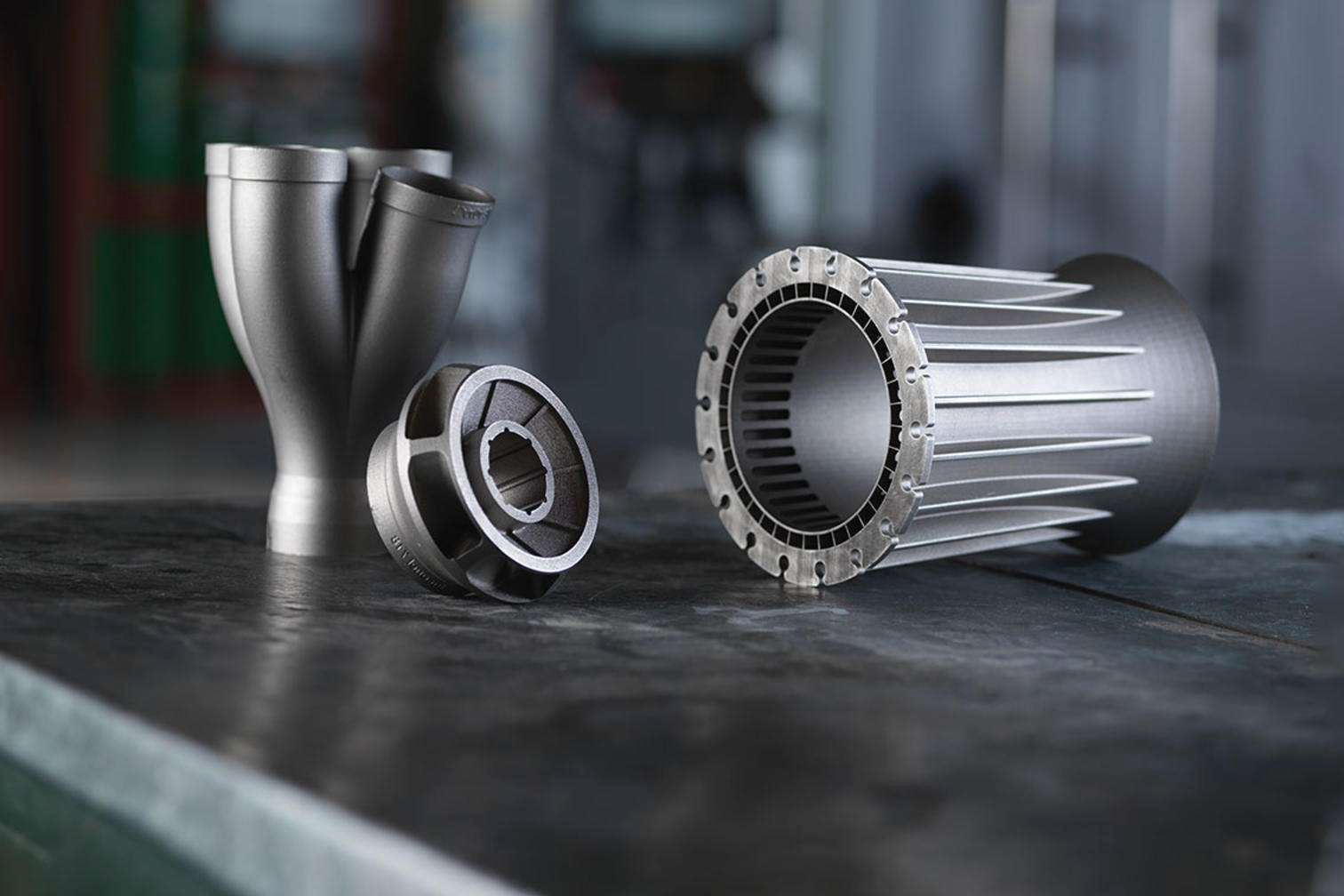
Various manufacturing industries employ SLM-printed Nimonic 80A for high-temperature fixtures, jigs, and furnace components. The alloy's stability at sustained high temperatures makes it perfect for sintering trays, heat treatment racks, and brazing fixtures. SLM manufacturing enables the creation of complex, lightweight designs that reduce thermal mass and enhance energy efficiency in industrial heating processes, while providing a longer service life than conventional fixture materials.