What makes superalloy materials ideal for missile segment manufacturing?
High-Temperature Performance and Thermal Stability
Missile segments experience extreme thermal loads during propulsion and high-speed flight. Superalloys such as Inconel 939 and single-crystal alloys like PWA 1484 maintain mechanical strength beyond 1000 °C. Their stable γ′ phase structure resists creep and microstructural degradation, ensuring sustained performance in combustion chambers and aerodynamic skins.
Structural Integrity and Fatigue Resistance
Missile bodies are subjected to intense vibration, shock, and aerodynamic pressure. Superalloys produced using superalloy precision forging or directional casting provide superior grain alignment and high fatigue resistance. Combined with customized superalloy heat treatment, these processes reinforce material resilience under dynamic and cyclic stress conditions.
Corrosion and Environmental Protection
Missile structures must resist salt, humidity, and combustion byproducts. Alloys such as Monel K500 and Hastelloy C-22 provide excellent corrosion resistance in airborne and marine environments. Further reliability is achieved with thermal barrier coatings using dedicated thermal barrier coating (TBC) solutions, preventing oxidation and extending part life.
Advanced Manufacturing Capability
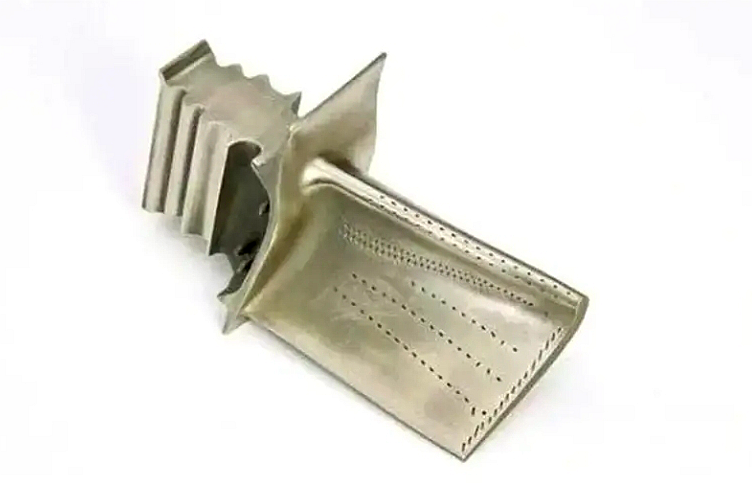
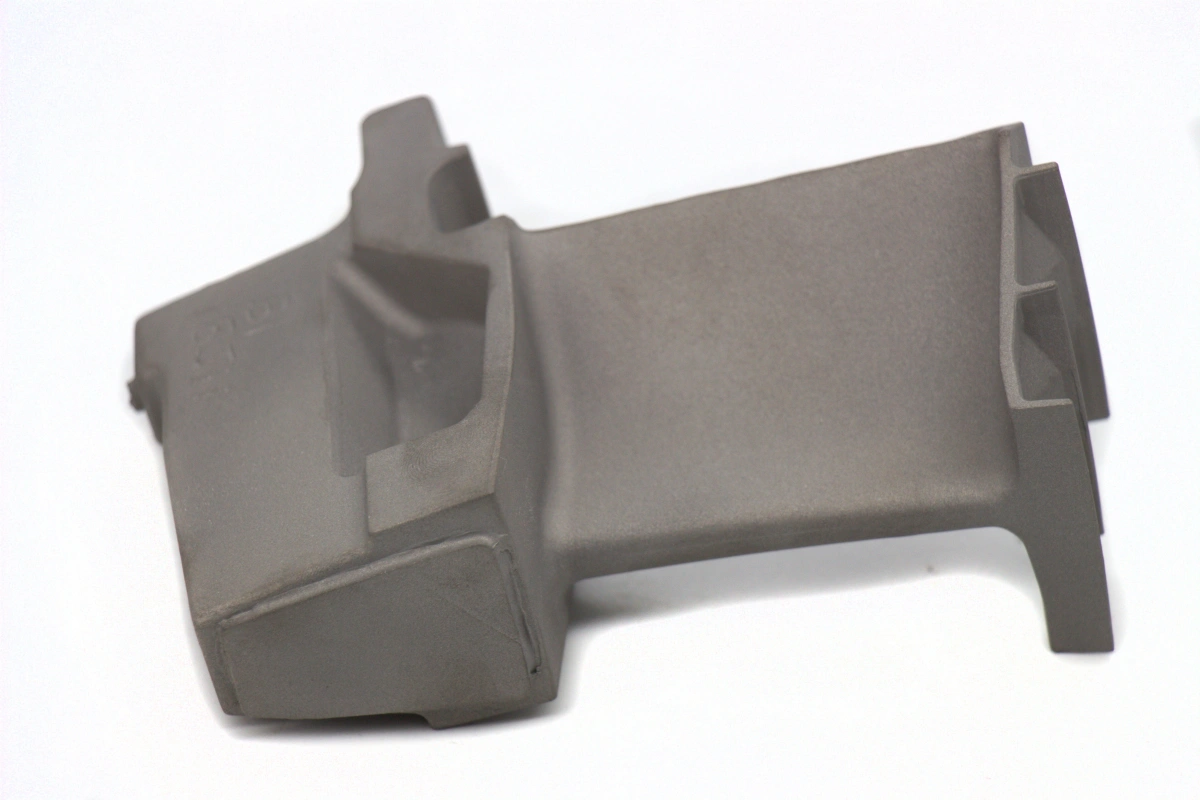
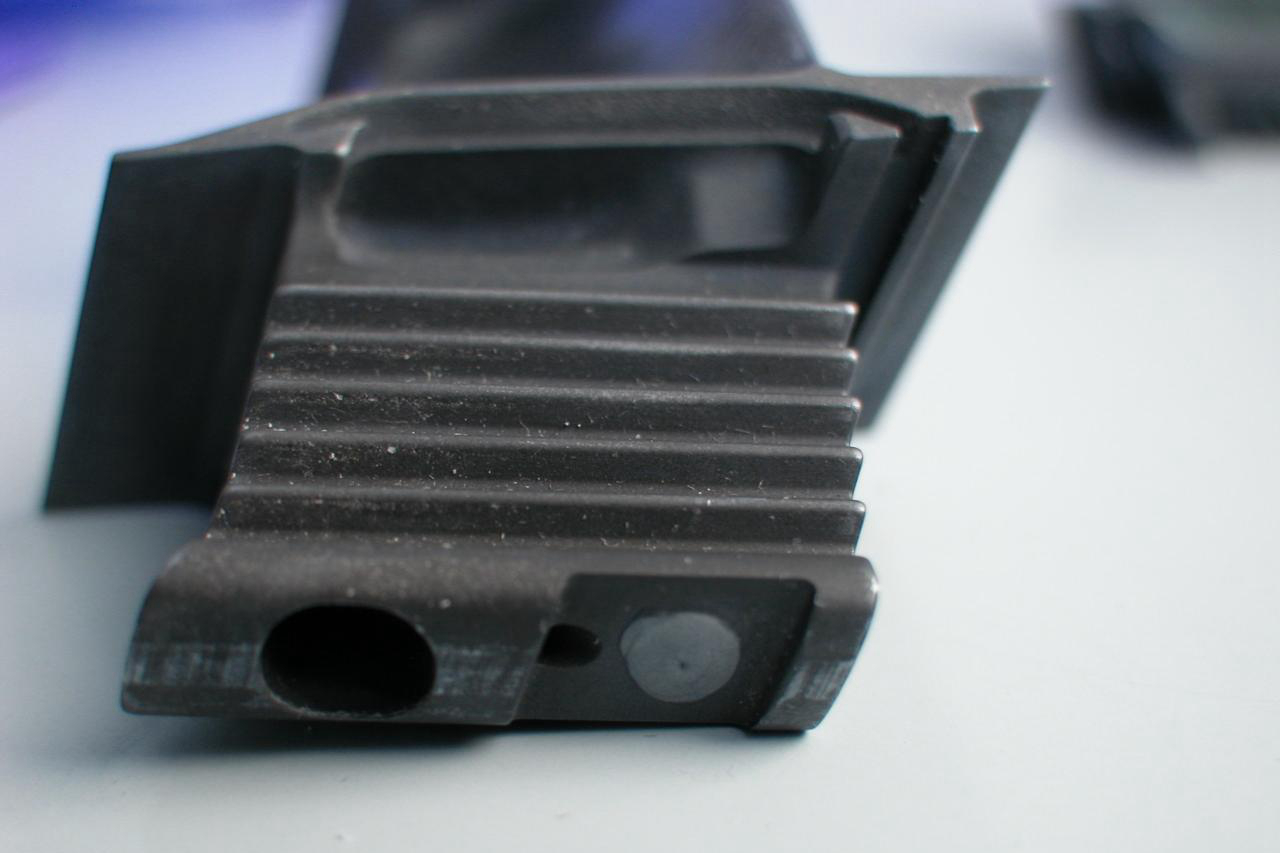
Modern missile components often require thin-wall geometry, internal channels, or complex structural transitions. Near-net shape fabrication can be achieved with superalloy 3d printing or high-precision vacuum investment casting. After forming, parts are finished using superalloy CNC machining to meet tight tolerances typical of missile guidance and propulsion integration.
Reliability in Defense and Aerospace Applications
Missile systems require components with guaranteed mechanical performance, traceable quality control, and proven resistance to long-term degradation. Standards within the military and defense and aerospace and aviation sectors demand rigorous validation, including fatigue testing, environmental simulation, and microstructure inspection.