Why is fine-crystal technology vital for high-temperature aerospace applications?
Microstructural Stability at Extreme Temperatures
Fine-crystal technology is essential for aerospace components that operate in extreme thermal environments because it produces a more refined and uniform dendritic microstructure within single-crystal castings. Even though single-crystal alloys eliminate grain boundaries, dendrite arm spacing still governs creep behavior and resistance to microstructural degradation. A finer dendrite network maintains γ/γ′ phase stability at elevated temperatures, which is crucial for engine components exposed to turbine inlet temperatures exceeding 1,000°C.
Superior Creep and Fatigue Performance
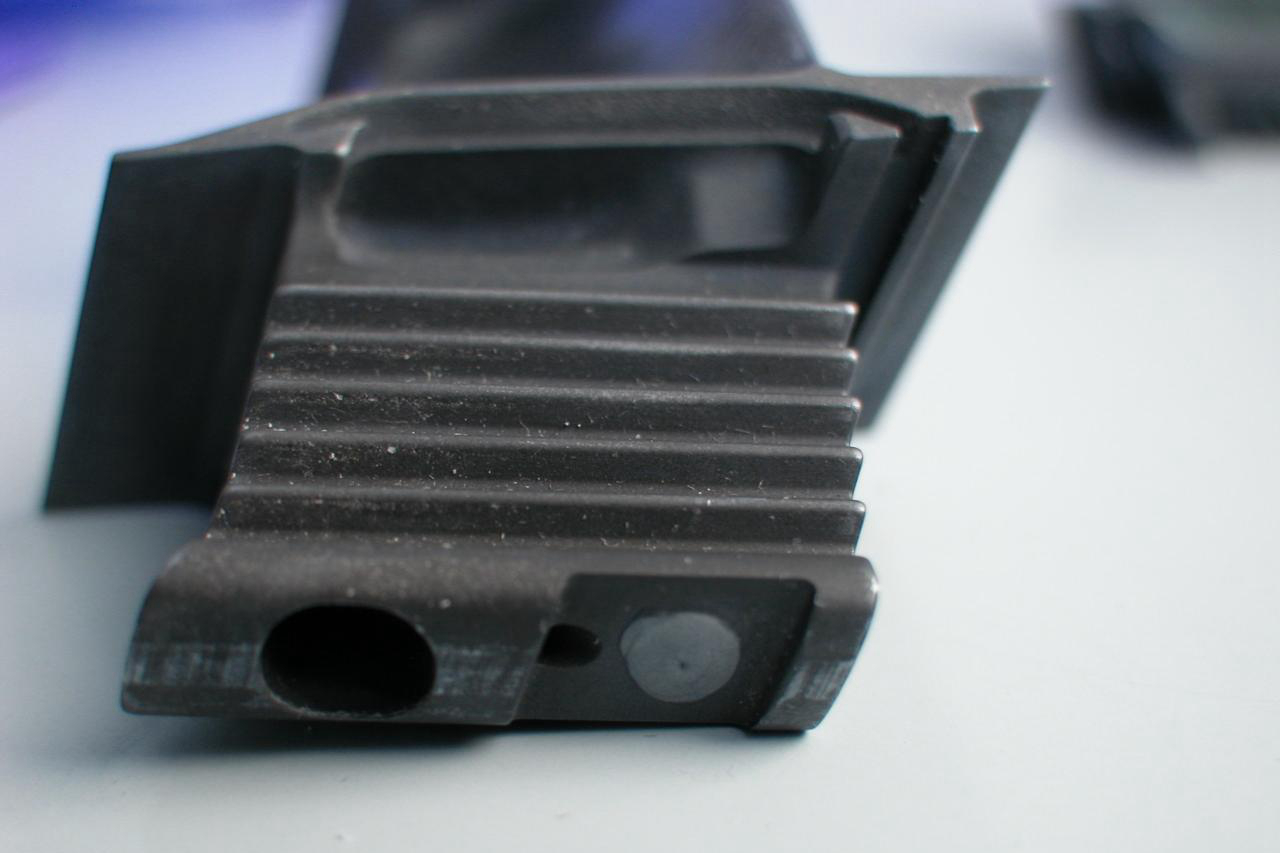
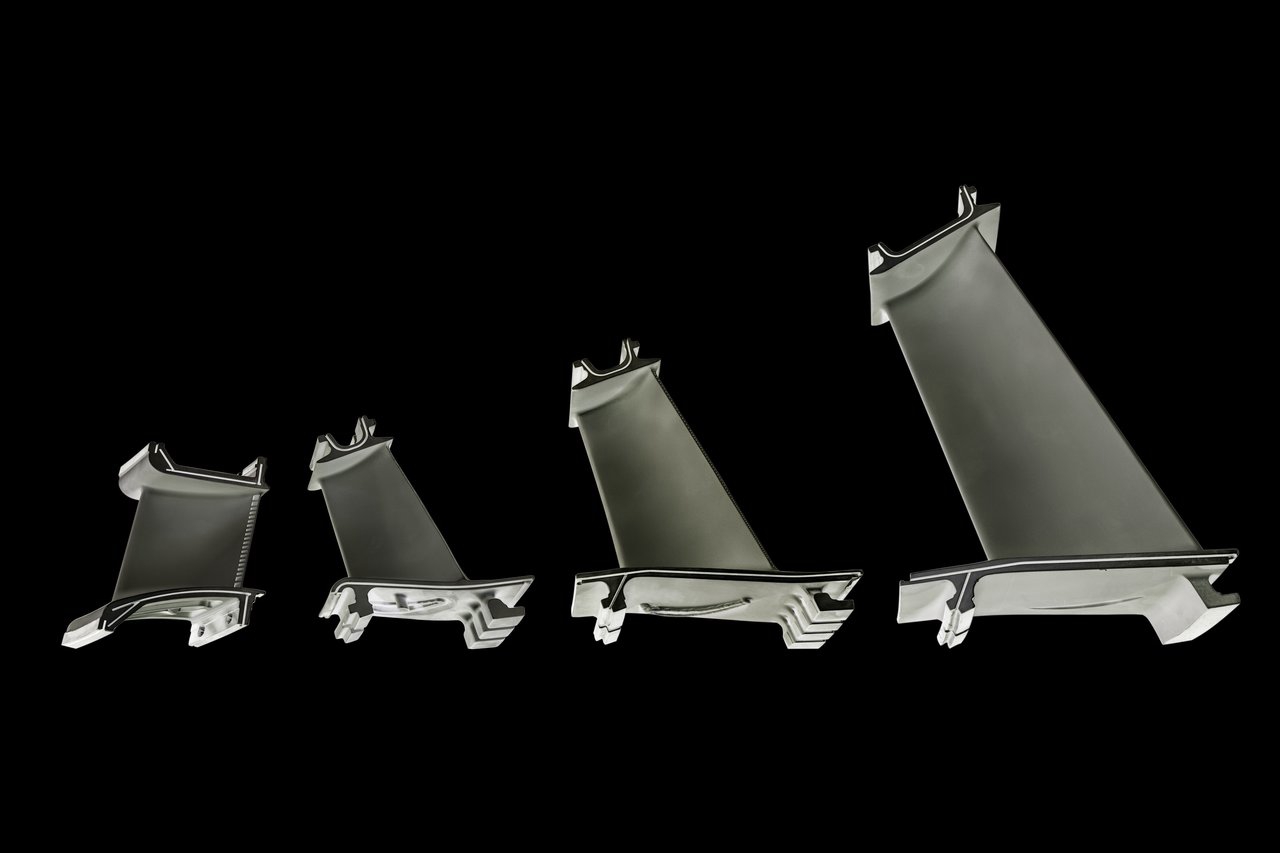
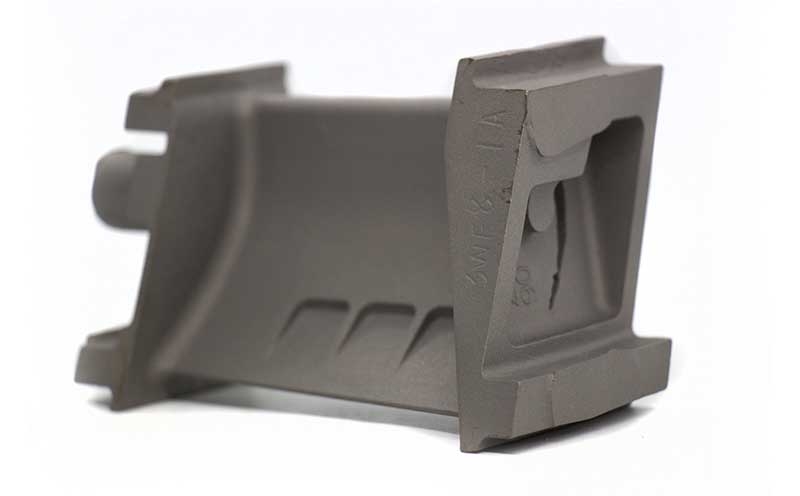
High-temperature aerospace applications—particularly first-stage turbine blades—require materials that resist deformation under sustained stress. Fine-crystal structures reduce microsegregation and create more uniform solute distribution, improving long-term creep resistance. This refinement also lowers residual stress concentrations, significantly increasing fatigue life in rotating hot-section components within aerospace and aviation engines that undergo repeated start–stop cycles and extreme vibration loads.
Improved Thermal Fatigue and Oxidation Resistance
Fine-crystal microstructures slow down diffusion-driven degradation mechanisms such as oxidation and hot corrosion. This provides a critical advantage for components that must withstand rapid thermal gradients and aggressive combustion environments. When paired with protective systems like thermal barrier coatings (TBC), fine-crystal alloys maintain structural integrity for longer periods, reducing maintenance cycles and improving engine reliability.
Higher Engine Efficiency and Operating Temperatures
Modern aerospace engines demand higher turbine inlet temperatures to increase thrust, efficiency, and fuel economy. Fine-crystal optimized single-crystal alloys allow components to operate closer to their melting points without microstructural collapse. This capability directly supports the development of next-generation propulsion systems and high-pressure turbine architectures used in power generation and aerospace gas turbines.