Which Superalloys Best Resist Stray Grain Defects in Single-Crystal Casting?
The Challenge of Stray Grains
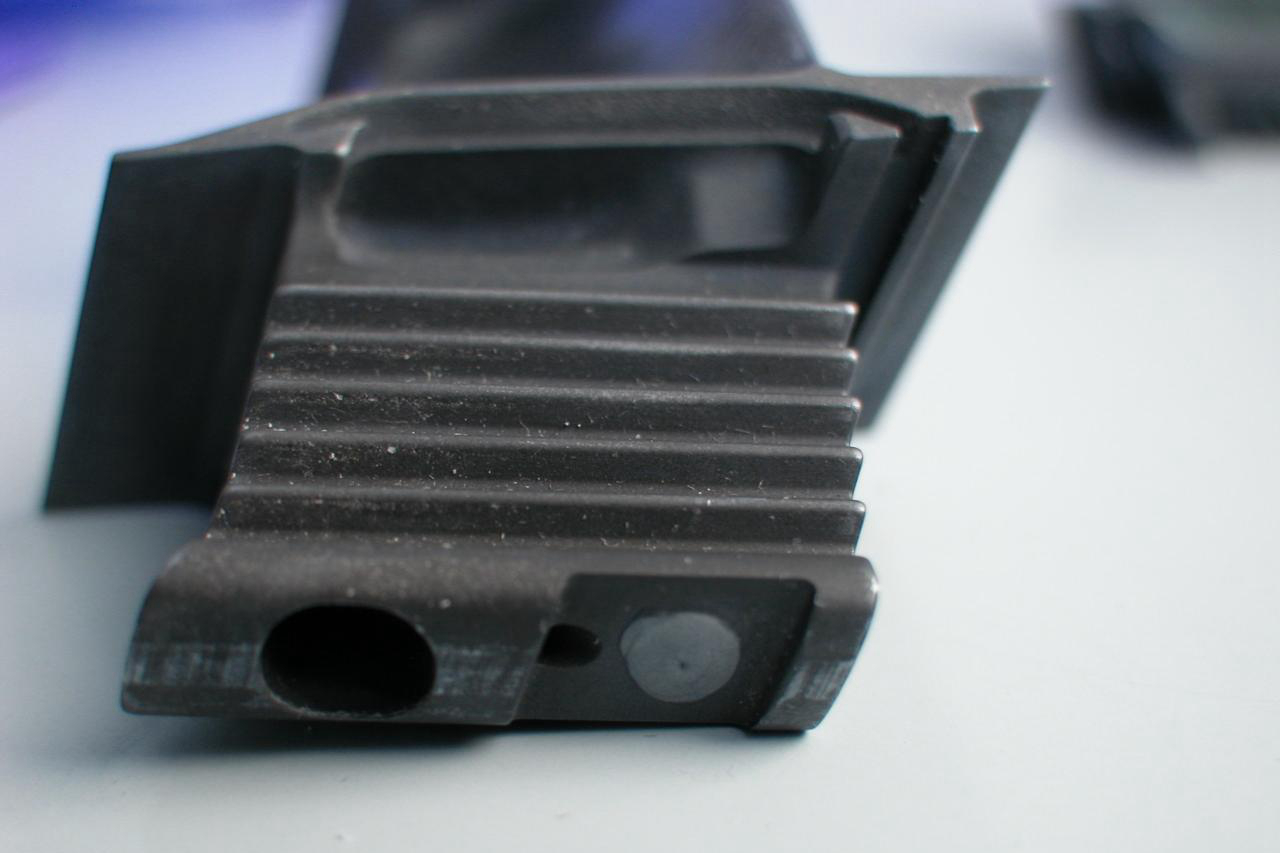
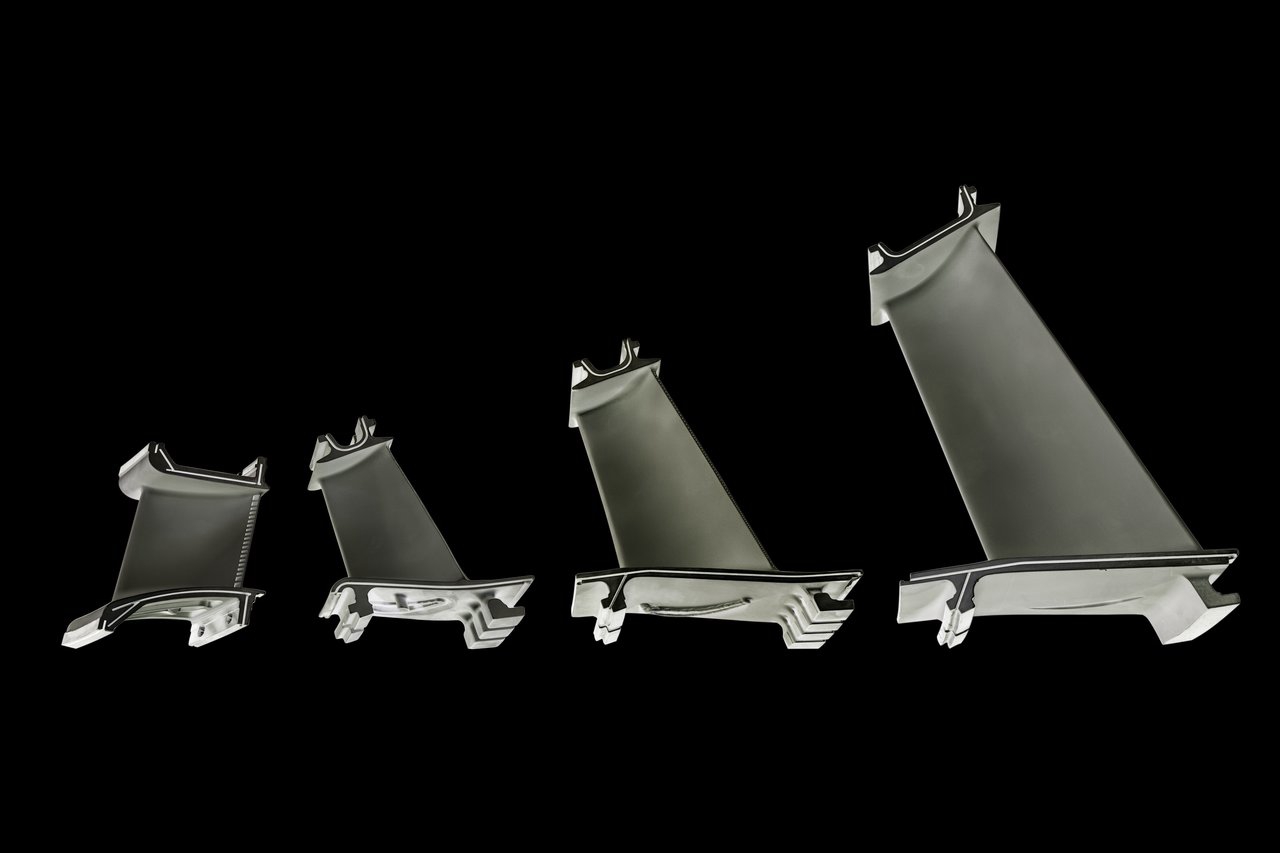
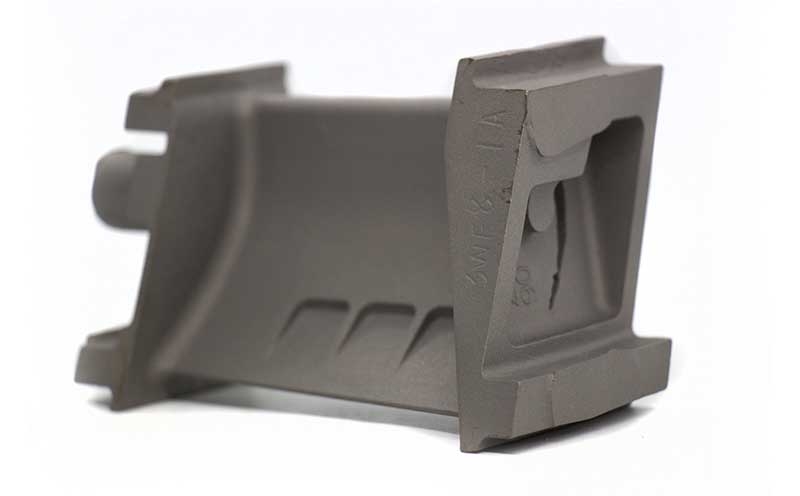
Stray grain defects are undesired, randomly oriented crystals that nucleate within the single-crystal (SX) structure during solidification, typically at geometric features like platforms, holes, or sudden section changes. These defects act as weak points, significantly degrading the creep, fatigue, and overall mechanical integrity of the component. Resistance to stray grain formation is therefore a critical metric for SX superalloys, heavily influenced by the alloy's composition and its associated solidification characteristics.
Alloy Generations and Compositional Evolution
Generally, later-generation single-crystal superalloys demonstrate improved process windows and better inherent resistance to stray grains. First-generation alloys like PWA 1480 and CMSX-2 have a narrower processing range. The introduction of rhenium (Re) in second-generation alloys such as PWA 1484, CMSX-4, and René N5 improved high-temperature strength but also increased the susceptibility to freckling and segregation. The most significant advancements for stray grain resistance came with third-generation and newer alloys, which optimized refractory metal content (Re, Ru, Ta) to widen the solidification window and improve thermal stability, making the process more forgiving.
Top-Performing Alloys for Defect Resistance
Alloys specifically engineered with a high "processability" index—balancing performance with manufacturability—excel in resisting stray grains. Key examples include:
CMSX-4®: A benchmark 2nd-gen alloy widely recognized for its excellent balance of properties and relatively robust casting characteristics compared to its predecessors.
René N6 (3rd Gen) & René N5 (2nd Gen): These alloys, developed with rigorous process control in mind, are designed to maintain structural integrity during complex single crystal casting processes.
Later-Generation CMSX Derivatives (e.g., CMSX-10): While offering ultimate temperature capability, their complex chemistry requires precise control. However, their designed solidification pathways, when managed correctly, aim to minimize defect formation in critical aerospace and aviation components.
Alloys like PWA 1484 and René 142: They represent generations optimized through extensive research to reduce processing-related defects while pushing temperature limits.
Process and Material Synergy
Ultimately, stray grain resistance is not solely a material property but a result of synergistic process optimization. Even the most resistant alloy requires precisely controlled vacuum investment casting parameters—withdrawal rate, thermal gradient, and mold temperature. Post-casting, Hot Isostatic Pressing (HIP) can heal some micro-porosity, but it cannot eliminate macroscopic stray grains, underscoring the paramount importance of defect prevention during solidification through alloy selection and process mastery.