Which industries benefit from defect-free single-crystal castings verified by ultrasonic testing?
Aerospace and Aviation
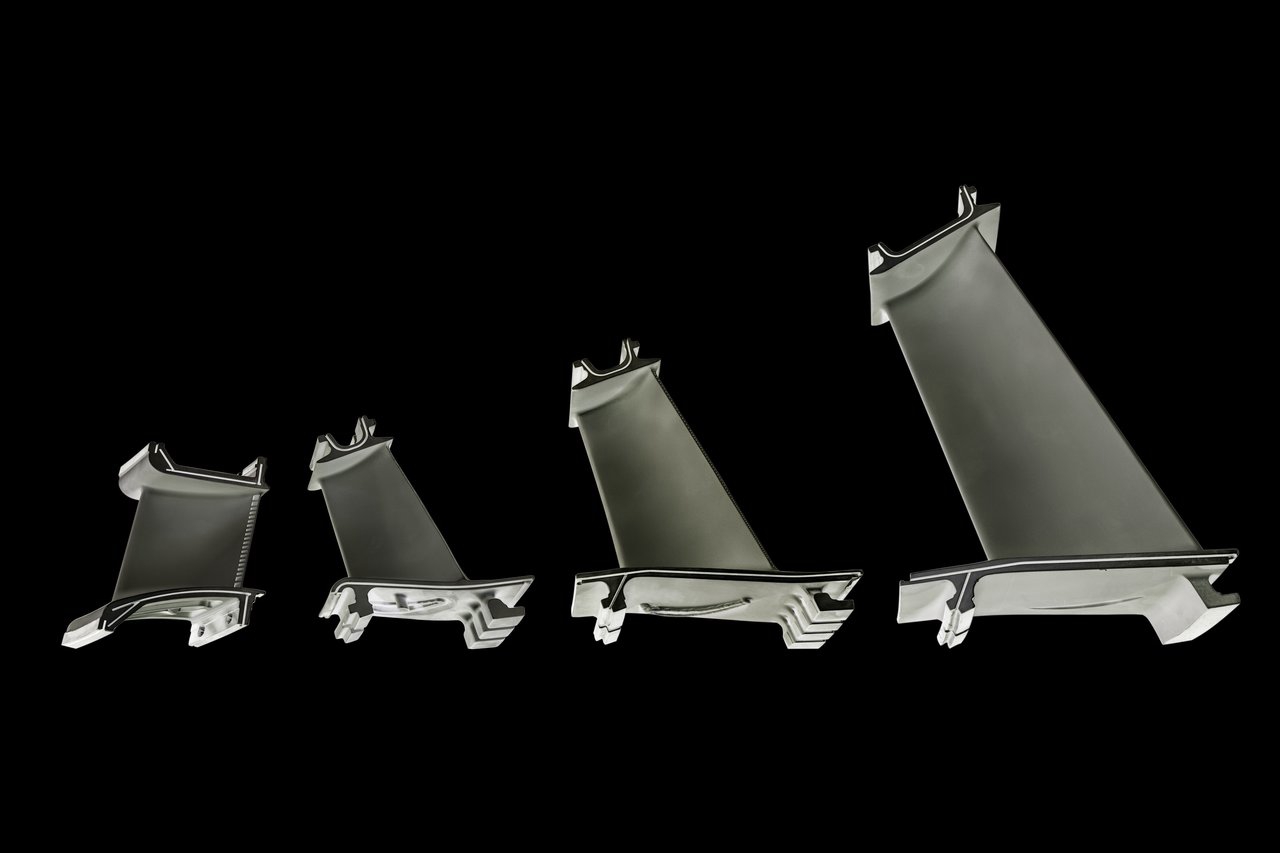
The aerospace sector is the primary beneficiary of defect-free single-crystal castings verified through ultrasonic testing (UT). Turbine blades, vanes, and critical hot-section components in aerospace and aviation engines operate under extreme thermal and mechanical loads. UT ensures internal porosity and microcracks are eliminated, which is vital for achieving maximum creep resistance, fatigue life, and dimensional stability. This level of quality assurance directly enhances engine thrust efficiency, service intervals, and overall flight safety.
Power Generation and Energy
Gas turbines used in power generation and energy production significantly benefit from high-integrity single-crystal components. These turbines often run at elevated temperatures for sustained periods, making defect-free parts essential for efficiency and uptime. UT validation helps prevent failure modes related to internal voids or thermal fatigue, extending operational lifespan and reducing maintenance downtime for large utility-scale turbines.
Oil & Gas and Industrial Turbomachinery
In oil and gas applications—especially in compression systems, pumps, and turbo-expanders—UT-verified single-crystal castings ensure mechanical reliability under fluctuating pressures and corrosive environments. Internal soundness is critical to prevent catastrophic failures in remote or offshore installations. UT provides assurance that blades or hot-section components maintain structural integrity even after long-term exposure to demanding operating conditions.
Military, Defense, and High-Performance Systems
Defense propulsion systems require maximum reliability and performance margin. Single-crystal turbine components used in military jet engines and advanced propulsion units benefit greatly from UT, as the method ensures no hidden defects jeopardize aircraft survivability or mission endurance. The technology supports rigorous qualification standards in military and defense applications and ensures safe operation under extreme thermal and mechanical stress.