What Role Does Directional Solidification Play in Single Crystal Casting?
Fundamental Process for Crystal Orientation Control
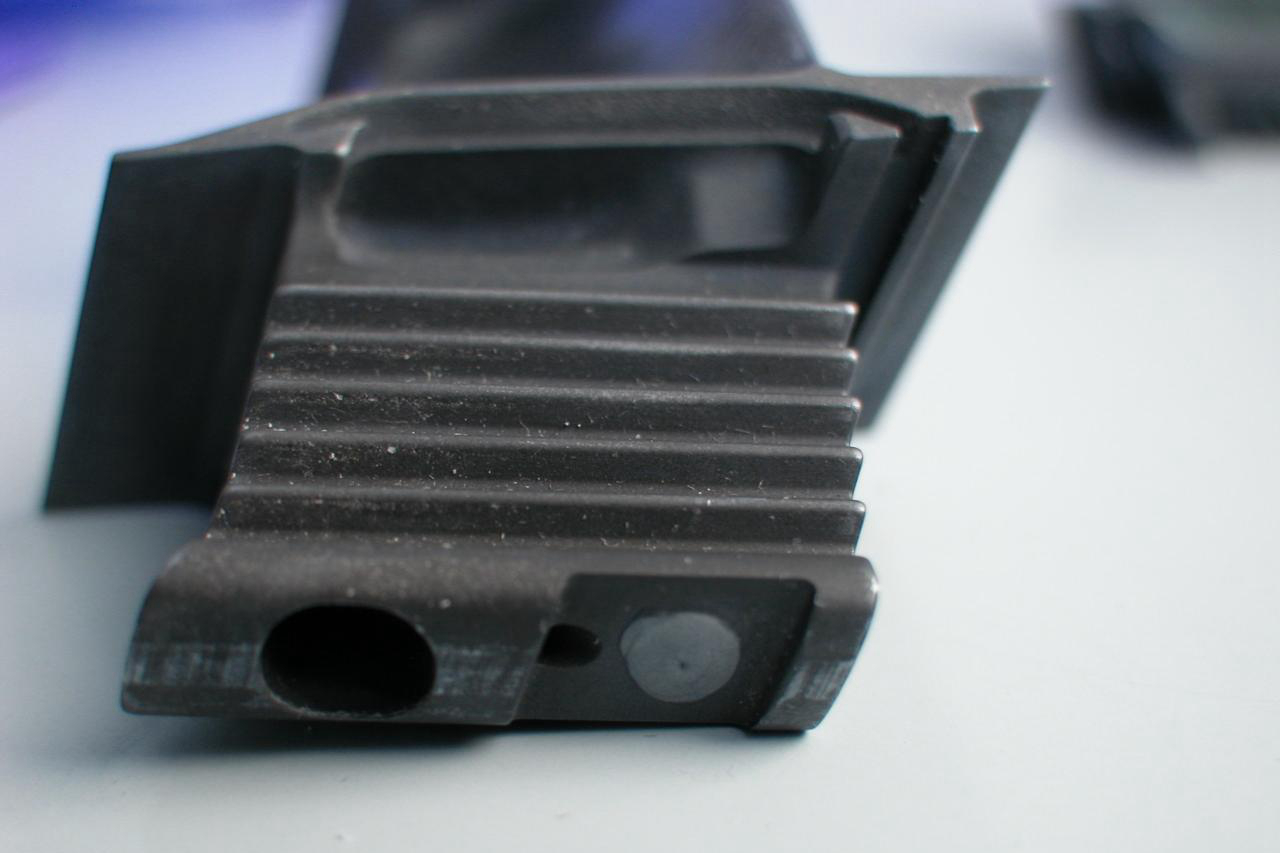
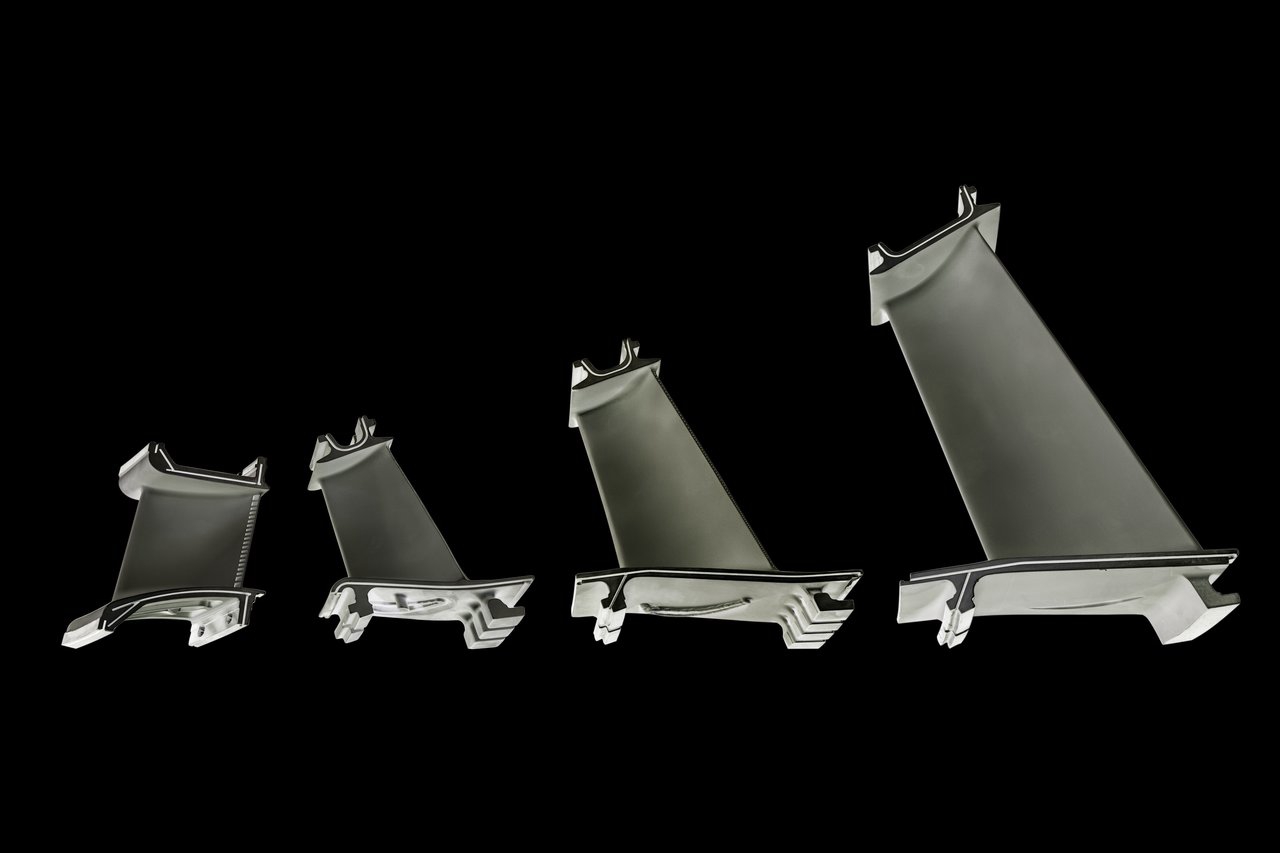
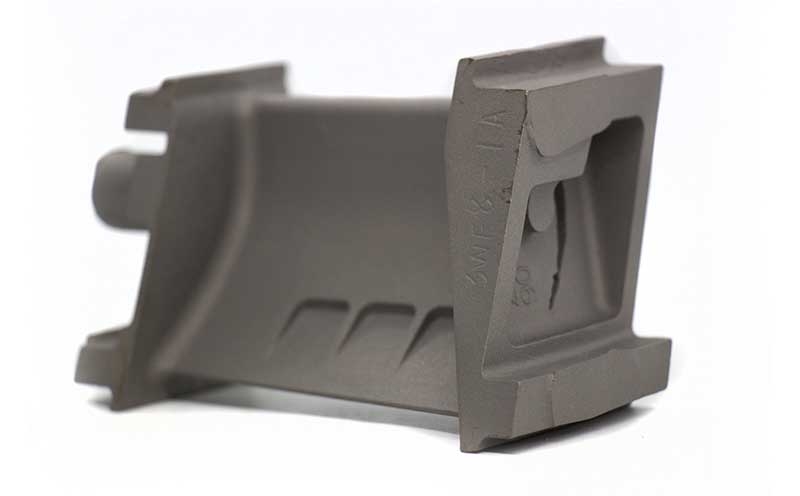
Directional solidification is the foundational process that enables the production of single crystal castings. It involves carefully controlling the withdrawal of a ceramic mold from a furnace to establish a steep, single-directional temperature gradient. This gradient forces the molten superalloy to solidify from one end of the part to the other, parallel to the primary stress axis. In single crystal casting, this process is extended with the use of a grain selector—a helical or constricted passage at the base of the mold—which allows only a single, favorably oriented grain to propagate into the main cavity of the component, such as a turbine blade.
Elimination of Transverse Grain Boundaries
The primary role of directional solidification in single crystal production is the systematic elimination of transverse grain boundaries. In conventionally cast equiaxed parts, randomly oriented grain boundaries are weak points, especially under high-temperature creep and thermal fatigue. By ensuring solidification occurs in one direction, all grain boundaries run parallel to the primary stress axis. The grain selector then filters out all but one crystal, resulting in a component entirely free of grain boundaries. This absence is critical for maximizing creep rupture life and resistance to thermal fatigue in applications like aerospace and aviation turbine blades.
Enabling Optimal Microstructure Development
This controlled solidification environment allows for the development of a uniform, aligned microstructure. The single crystal grows with a preferred crystallographic orientation (typically [001]), which aligns with the direction of maximum stress and offers the lowest modulus and best thermal fatigue properties. This oriented structure provides an ideal canvas for subsequent heat treatment, enabling the uniform precipitation of the strengthening γ' phase throughout the entire part without interference from grain boundary phases. The result is a homogeneous material with predictable and superior mechanical properties.
Integration with Post-Processing for Enhanced Integrity
The high-integrity structure created by directional solidification is further enhanced by downstream processes. While it produces a single grain, internal microporosity may still form. Therefore, Hot Isostatic Pressing (HIP) is used to densify the casting. The aligned structure from directional solidification responds well to HIP, as pressure can be uniformly applied. This combined approach—directional solidification to control grain structure, followed by HIP and heat treatment—creates components with the ultimate balance of defect-free integrity and optimized high-temperature performance for power generation and propulsion.