What role does a single-crystal structure play in improving TMF resistance?
Elimination of Grain Boundaries
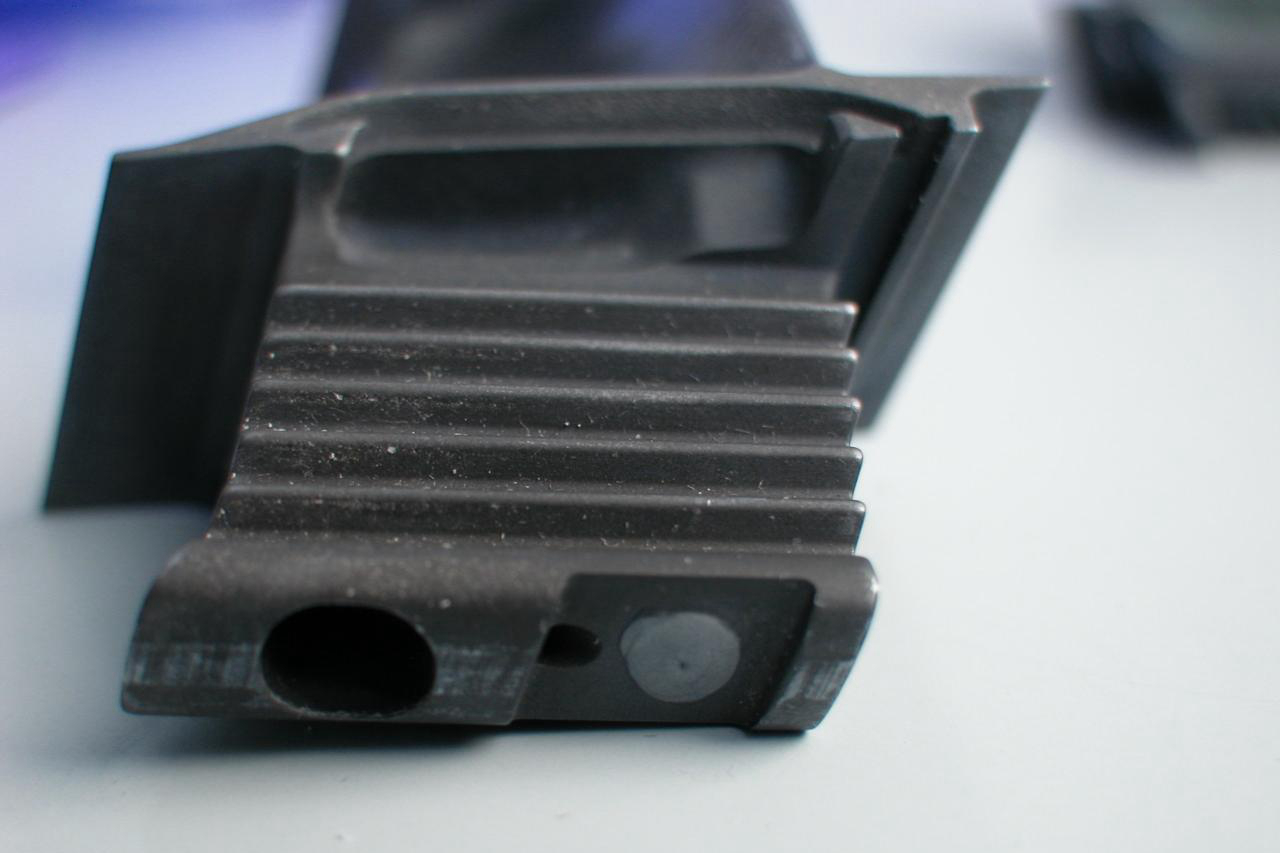
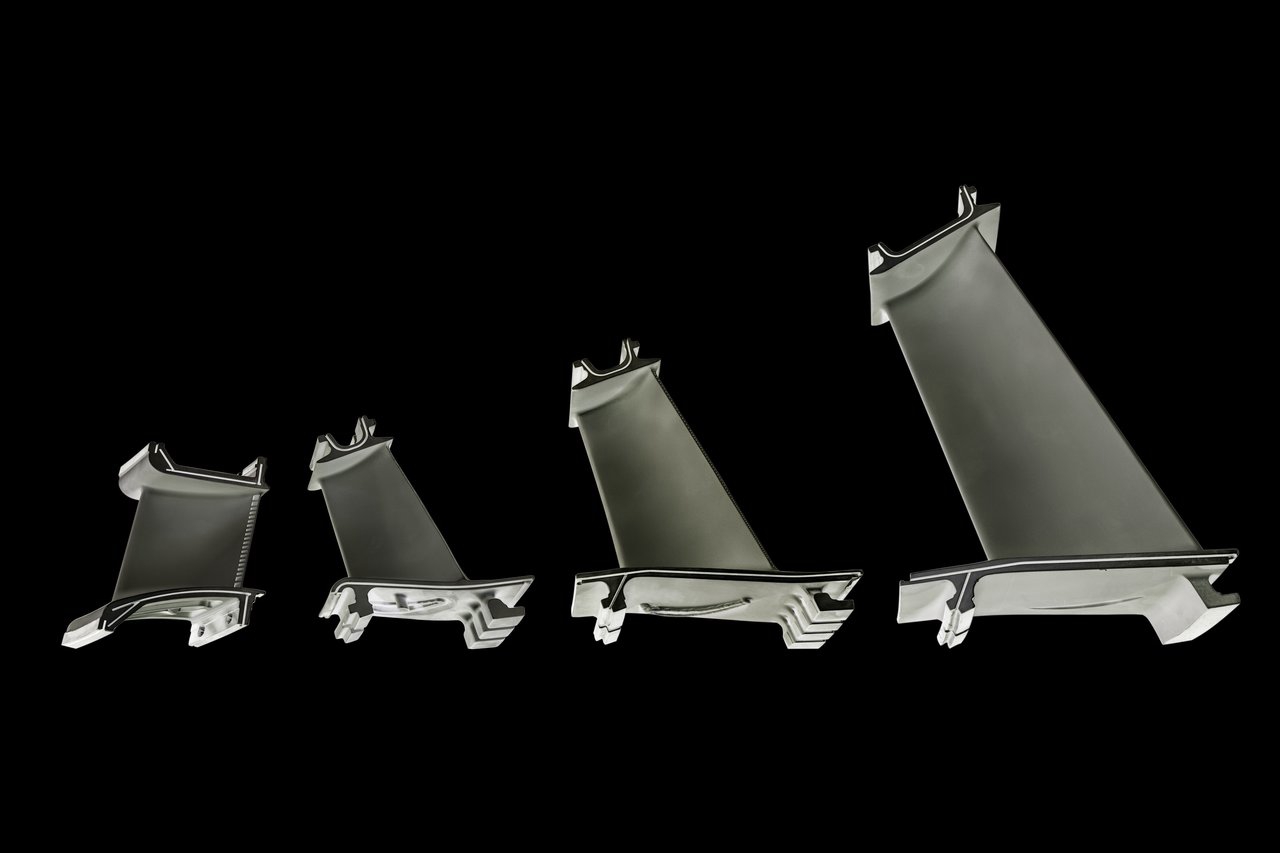
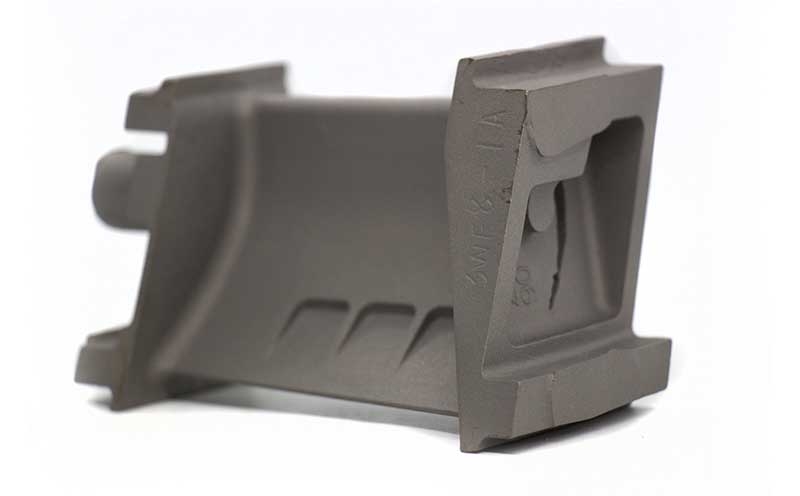
The most significant advantage of a single-crystal structure in improving thermal mechanical fatigue (TMF) resistance is the complete removal of grain boundaries. In polycrystalline alloys, grain boundaries act as weak points where thermal strains, oxidation, and cyclic stresses accumulate, accelerating crack initiation. Single-crystal turbine blades—produced through single crystal casting—eliminate these pathways, preventing boundary sliding, intergranular cracking, and diffusion-driven damage. This absence of grain boundaries enables the material to withstand severe thermal gradients without forming stress concentrations that typically reduce TMF lifespan.
Enhanced Creep and Phase Stability at High Temperatures
Single-crystal superalloys maintain exceptional microstructural stability under the high-temperature cycling typical of TMF environments. Their γ/γ′ strengthening phases remain evenly distributed across the crystal lattice, reducing localized plastic deformation during thermal expansion and contraction. Alloys such as CMSX-4 and Rene N6 are engineered for minimal phase instability, which helps resist cyclic softening and microcrack initiation. This high-temperature stability significantly enhances TMF resistance compared to equiaxed or directionally solidified alloys.
Improved Oxidation Resistance and Coating Compatibility
TMF is strongly influenced by oxidation-driven damage. Because single-crystal alloys exhibit more uniform chemical behavior across the lattice, they bond more effectively with protective systems such as thermal barrier coatings (TBC). This reduces interfacial stresses caused by mismatched thermal expansion and prevents coating spallation during temperature cycling. A stable substrate–coating interface is vital for resisting TMF-induced oxidation and maintaining long-term structural integrity.
Superior Resistance to Thermomechanical Strain Accumulation
In TMF conditions, the interaction between mechanical loads and thermal strain drives crack initiation. The highly ordered slip systems in single-crystal materials allow deformation to occur more uniformly, reducing localized plastic strain accumulation. This uniform deformation behavior limits the formation of microcracks and delays propagation. As a result, single-crystal blades used in aerospace and power generation turbines maintain longer TMF life, even under aggressive start–stop cycling and transient thermal loads.