What Post-Processing Steps are Essential for Ensuring Superalloy Turbine Blade Longevity?
Defect Elimination and Densification: Hot Isostatic Pressing (HIP)
The first critical step is Hot Isostatic Pressing (HIP). Following vacuum investment casting or additive manufacturing, internal defects like microporosity and shrinkage voids are inevitable. HIP subjects the blade to high temperature and uniform isostatic gas pressure, plastically deforming the material to collapse these internal voids. This densification is non-negotiable for longevity as it eliminates the primary sites for crack initiation under cyclic thermal and mechanical loads, directly enhancing fatigue life and fracture toughness.
Microstructural Optimization: Solution and Age Heat Treatment
After densification, precise heat treatment is applied to unlock the superalloy's high-temperature properties. The process typically involves a solution heat treatment to dissolve secondary phases and homogenize the alloying elements, followed by controlled aging to precipitate a uniform, fine dispersion of strengthening γ' (gamma prime) particles. For single-crystal blades made from alloys like CMSX-4, this step is meticulously calibrated to optimize the γ' morphology for maximum creep and rupture strength, which are fundamental to long-term service in aerospace engines.
Surface Enhancement and Environmental Protection: Coatings
To protect the substrate from extreme heat and oxidation, surface coatings are essential. A metallic bond coat (e.g., MCrAlY) is first applied, followed by a ceramic Thermal Barrier Coating (TBC), typically yttria-stabilized zirconia (YSZ). This system can reduce the underlying metal temperature by hundreds of degrees Celsius, significantly extending creep life. For blades operating in corrosive environments, such as marine or industrial gas turbines, additional diffusion aluminide coatings are applied to form a protective alumina scale that resists hot corrosion.
Precision Finishing and Integrity Restoration: Machining
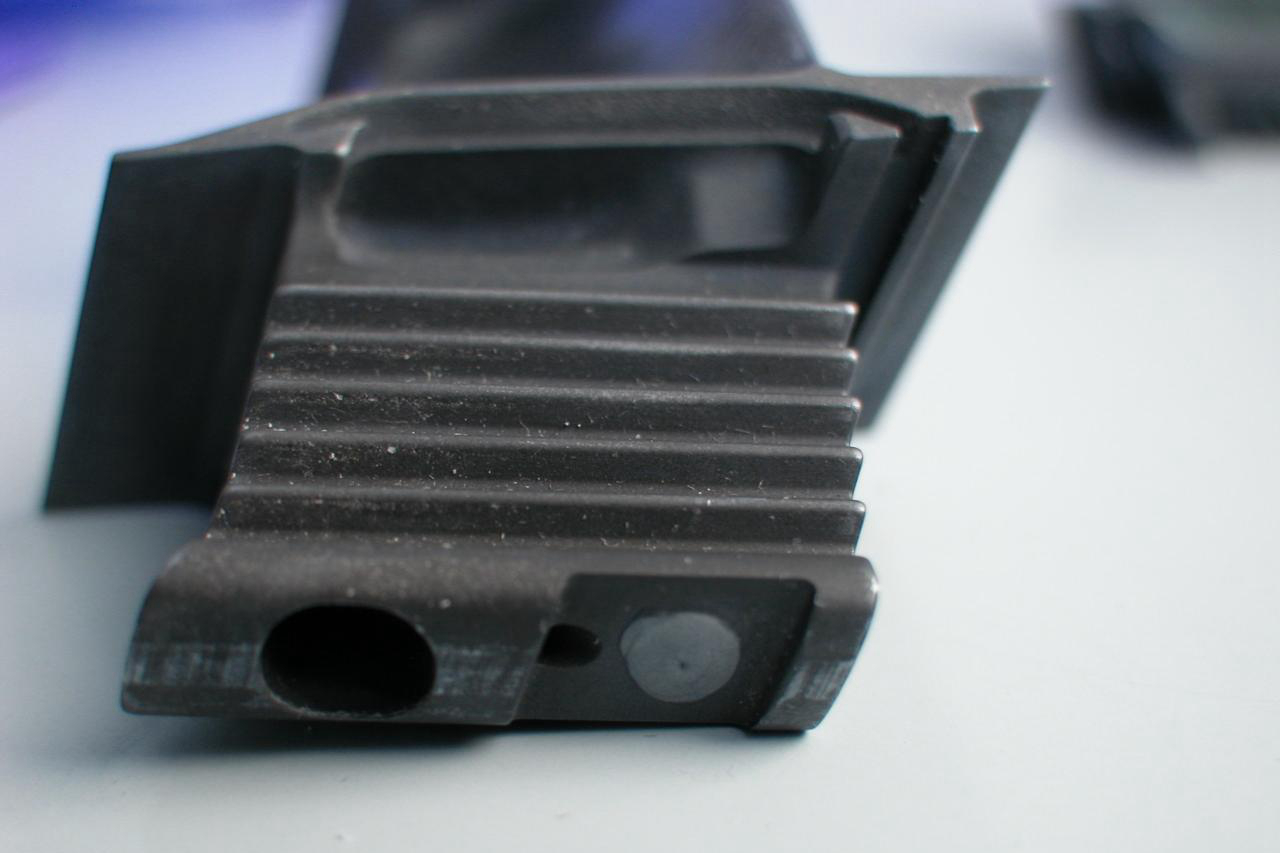
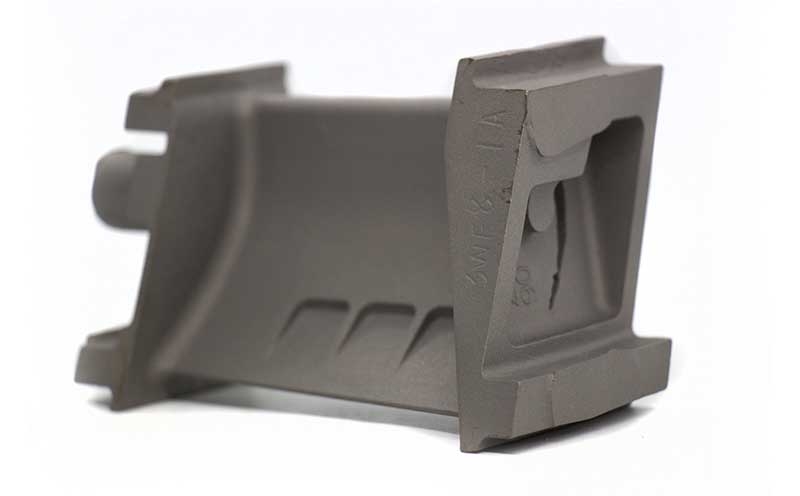
Post-coating and heat treatment, precision machining is required to achieve final dimensional tolerances and restore critical features. Superalloy CNC machining removes casting gates, excess coating from mating surfaces, and machines the root attachment features with extreme accuracy. Processes like deep hole drilling create precise cooling channels. This step ensures proper fit in the disk and optimal aerodynamic performance, while also removing any surface recast layer or minor imperfections introduced during prior steps.
Final Validation: Non-Destructive Testing and Inspection
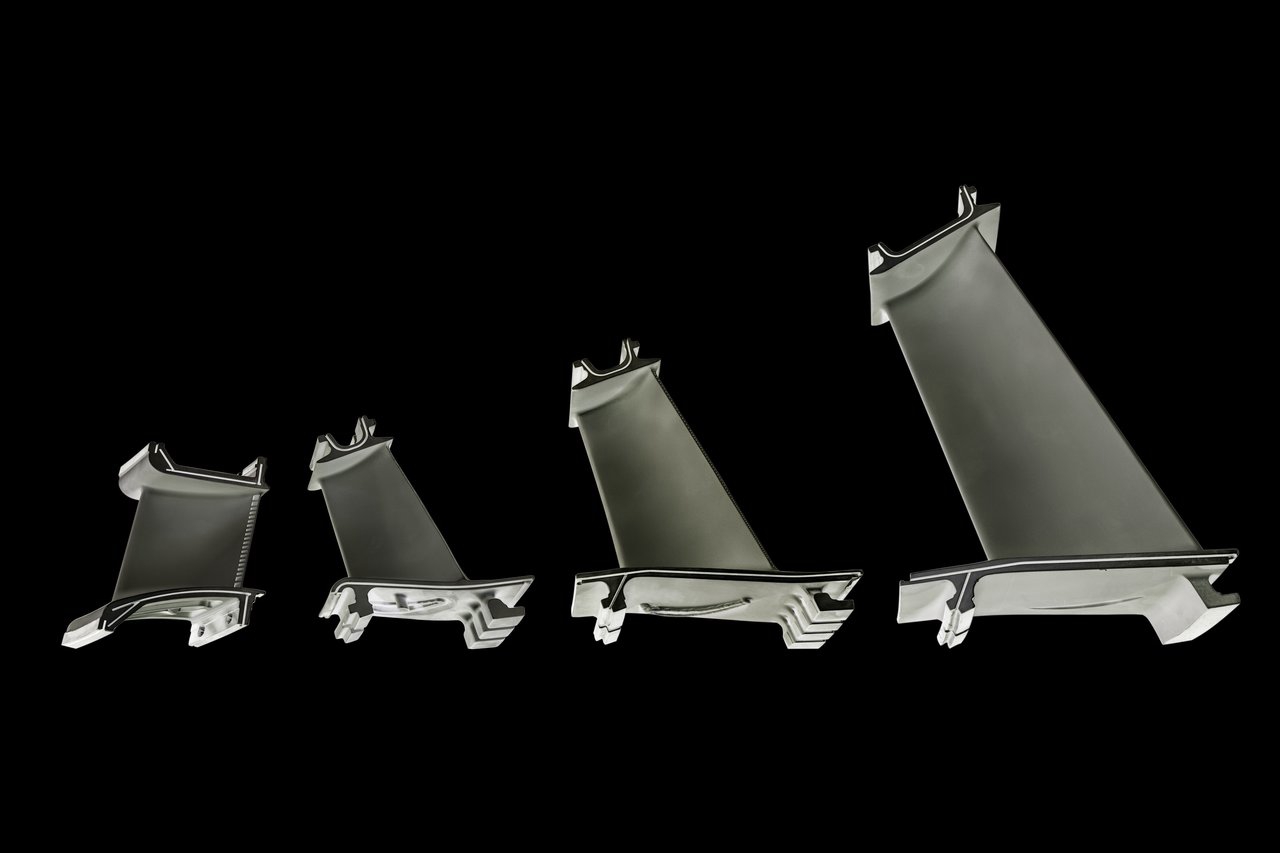
Longevity assurance is completed by rigorous inspection. Every blade undergoes a battery of Non-Destructive Testing (NDT) and material testing and analysis. This includes fluorescent penetrant inspection (FPI) for surface cracks, X-ray radiography for internal integrity, and dimensional metrology. For critical applications, advanced techniques like computed tomography (CT) scanning are used to create a 3D model of the internal and external geometry, verifying the integrity of cooling channels and the absence of defects. This final validation gate ensures only components meeting the strictest reliability standards are cleared for service.