What Challenges Arise in Maintaining a Stable Thermal Gradient During Casting?
Material and Alloy-Specific Behavior
The inherent properties of advanced alloys present a primary challenge. High-performance materials like CMSX-4 or Inconel 738 have specific solidification ranges and latent heat of fusion. Accurately compensating for the release of this latent heat during the phase change is critical; improper management can flatten the thermal gradient, leading to uncontrolled equiaxed growth or defects like freckles. Each alloy formulation requires a uniquely tailored thermal profile, making process development for new materials complex and time-intensive.
Mold Design and Thermal Mass Complexities
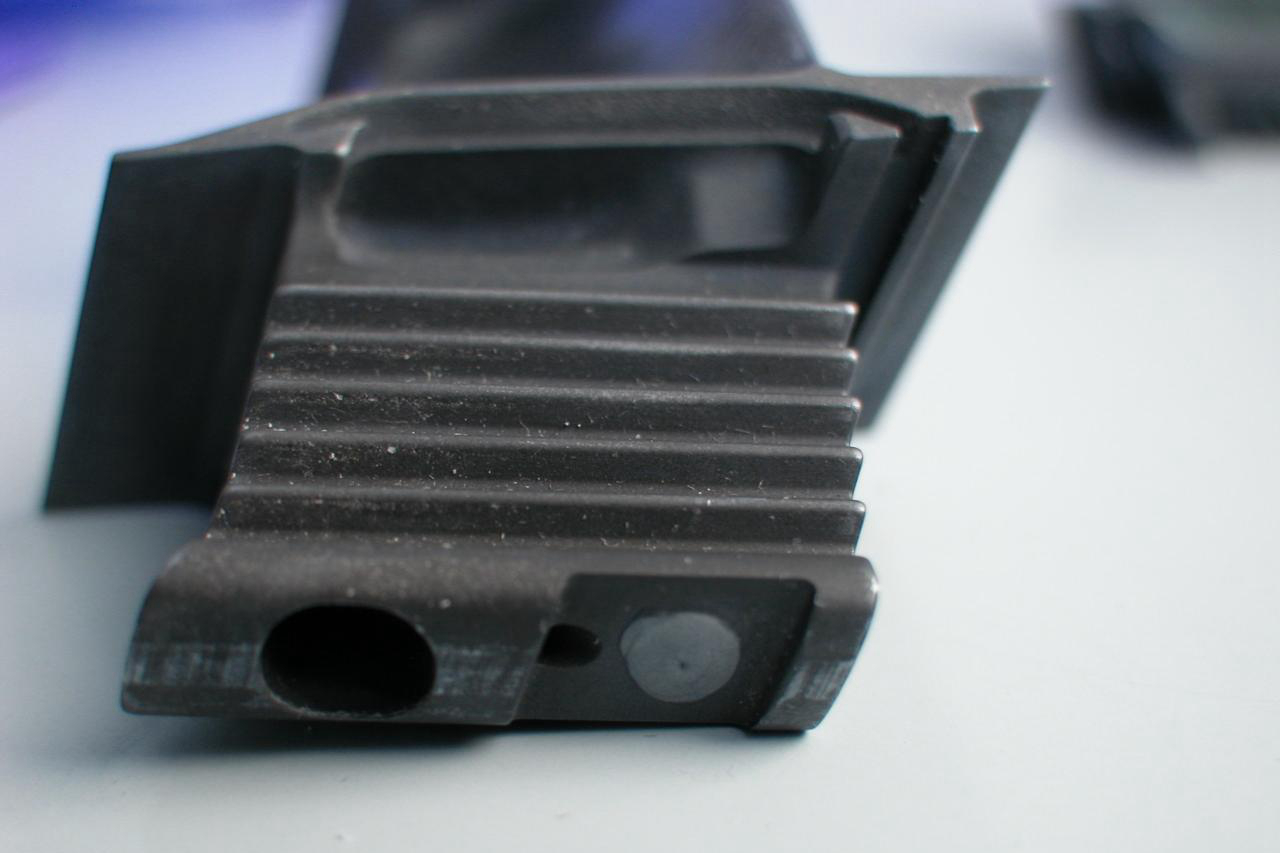
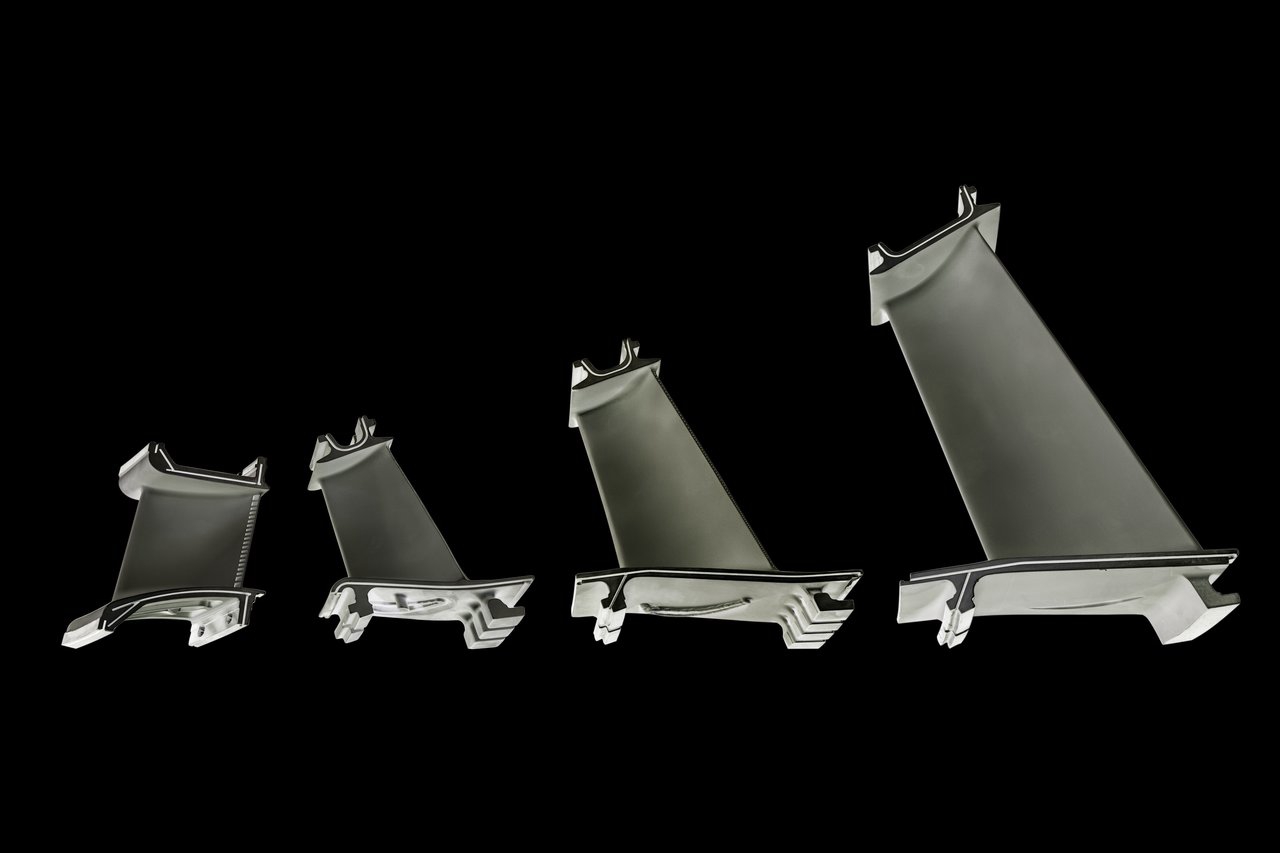
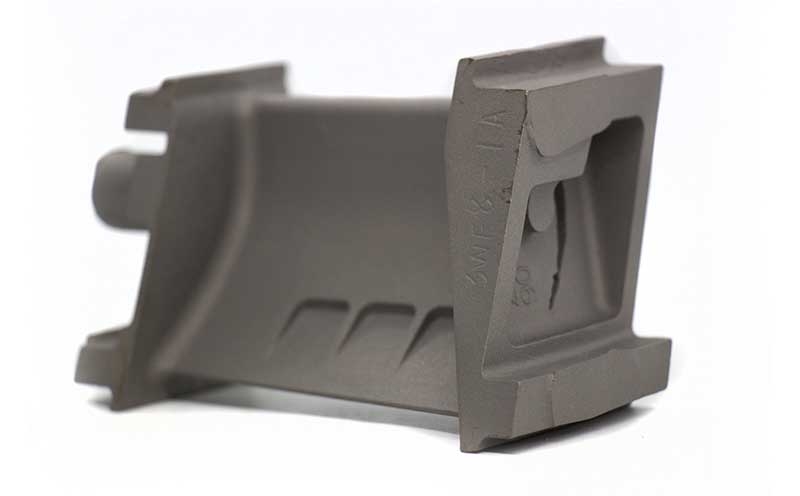
The geometry of the component and its mold directly interferes with gradient stability. Complex parts with varying cross-sections, such as thin airfoils attached to thick platforms in turbine blades, create unequal thermal masses. The thicker sections cool slower, disrupting the desired unidirectional heat flow. Advanced vacuum investment casting molds incorporate intricate ceramic cores for cooling channels, which act as insulators and further complicate heat extraction. Designing mold walls, chills, and insulation to balance these disparate cooling rates is a significant engineering challenge.
Furnace and Equipment Limitations
Precise gradient control demands sophisticated furnace technology. The system must maintain a sharp temperature differential between the hot zone (often above 1500°C) and the chill zone. Challenges include ensuring uniform radial temperature in the hot zone, preventing heat leaks, and achieving a perfectly controlled withdrawal rate from the furnace. Any mechanical vibration or deviation in the withdrawal speed can instantly destabilize the solidification front, promoting defects. This is especially critical for directional casting and single crystal processes.
Process Parameter Sensitivity
The casting process is highly sensitive to interrelated parameters. The initial melt temperature, the temperature gradient (G), and the growth velocity (R) must be meticulously balanced. The G/R ratio dictates the solidification morphology. A minor fluctuation in furnace power, coolant flow, or ambient conditions can alter this ratio, causing a transition from planar to cellular or dendritic growth, potentially introducing low-angle boundaries or stray grains. Maintaining this stability throughout the entire solidification cycle for a large casting is a persistent challenge.
Real-Time Monitoring and Control Difficulties
Directly measuring the thermal gradient within the molten metal and solidifying shell inside a vacuum furnace is exceptionally difficult. While thermocouples can be embedded in molds, they provide limited data points. Inability to observe and adjust the gradient in real-time based on actual solidification behavior forces reliance on predictive models and pre-programmed cycles. Developing robust closed-loop control systems that can dynamically adjust heating or withdrawal based on real-time sensor feedback remains an area of active advancement in precision casting.