What are the typical applications of single-crystal turbine blades in the aerospace industry?
High-Pressure Turbine (HPT) Blades
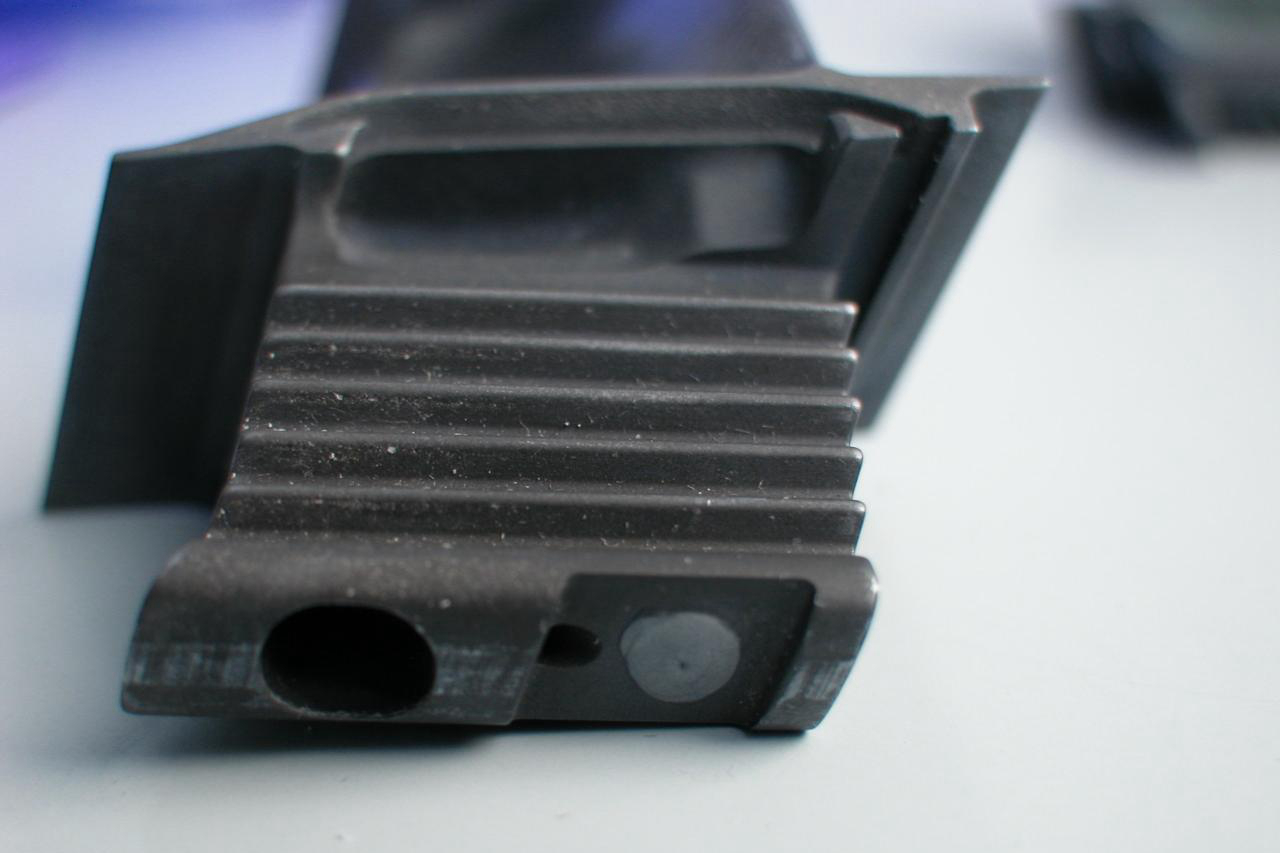
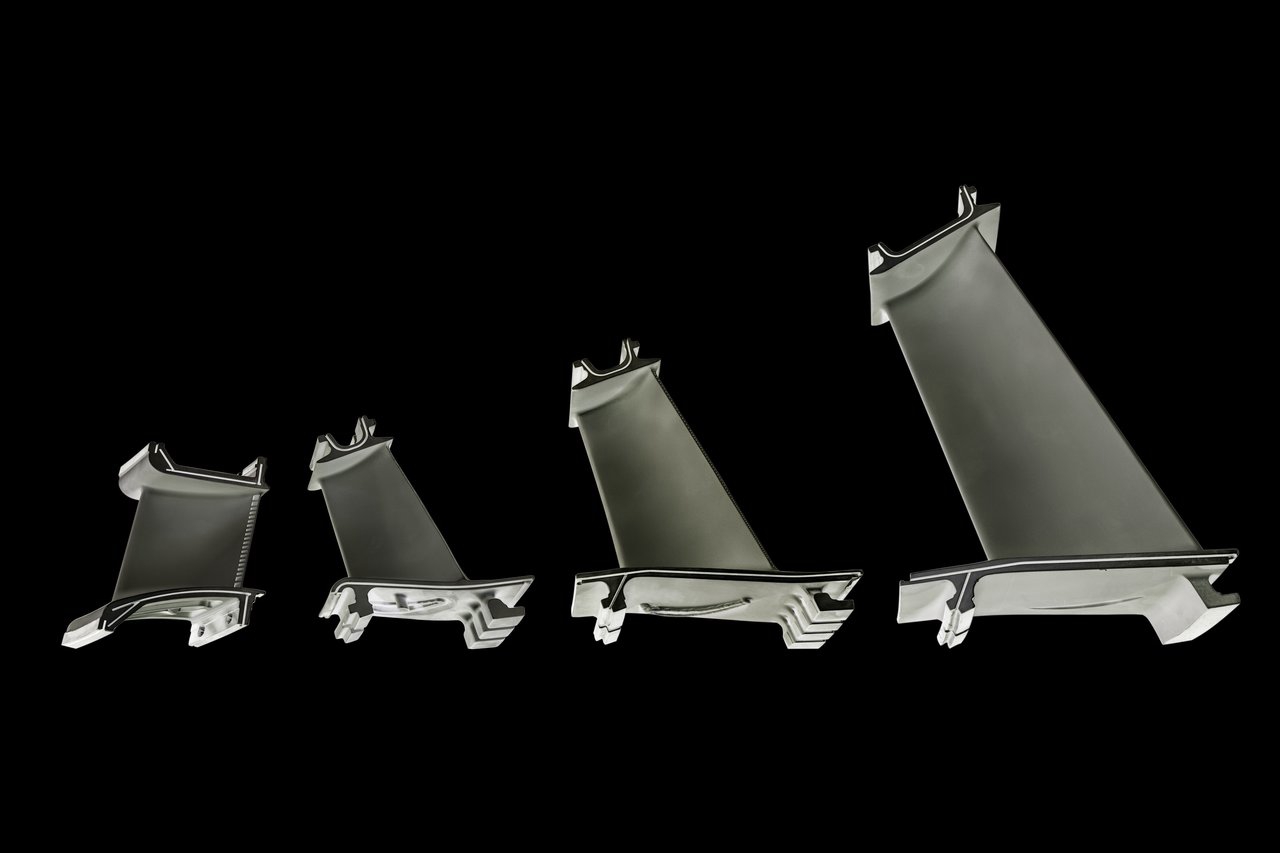
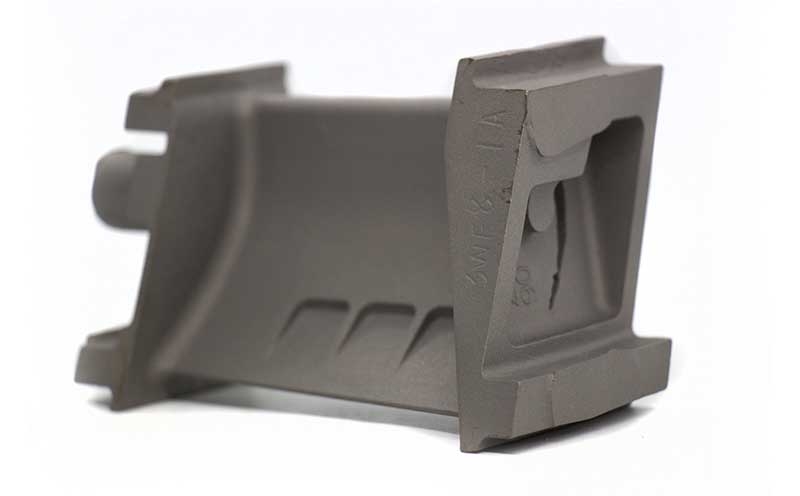
Single-crystal turbine blades are most critically applied in the high-pressure turbine (HPT) section of modern aerospace engines. This region operates at temperatures approaching the alloy’s melting point, making the creep resistance and grain-boundary-free structure of single-crystal materials essential. Advanced alloys—such as CMSX-4 and PWA 1484—enable extended service life, higher turbine inlet temperatures (TIT), and improved thrust-to-weight ratios for large commercial aircraft, military jets, and next-generation propulsion systems.
Turbine Rotor Blades and Nozzle Guide Vanes
Although rotor blades are the primary single-crystal application, select nozzle guide vanes (NGVs) in the hottest gas paths also use single-crystal alloys when extreme thermal loading or complex film-cooling architectures are required. In engines used for long-duration high-power missions—such as those in aerospace and aviation—these components benefit from the superior creep, fatigue, and oxidation resistance of single-crystal structures.
Blades for Afterburning and Military Engines
Single-crystal turbine blades are essential in military fighter engines, where afterburners create extreme thermal spikes and rapid temperature cycling. Alloys such as Rene N6 and advanced TMS-series materials offer the thermal stability needed for high-G maneuvering, supersonic flight, and sustained high-power operation.
Engines with Advanced Cooling and Coating Systems
Modern turbine blades integrate complex internal cooling channels and thermal barrier coatings (TBCs). Single-crystal alloys resist coating-related cracking and maintain structural integrity around film-cooling holes. This makes them particularly suitable for engines requiring aggressive cooling strategies, such as those powering wide-body long-haul aircraft and high-bypass turbofan engines.