What are the main challenges in achieving uniform single crystal turbine blades?
Strict Control of Solidification Conditions
Producing uniform single crystal turbine blades requires extremely precise control of thermal gradients during single crystal casting. Even slight variations in cooling rate or furnace stability can trigger unwanted nucleation, causing stray grains to form. Maintaining a consistent directional temperature gradient and ensuring stable withdrawal speeds are critical to guiding dendrite growth along the desired crystallographic orientation.
Avoidance of Stray Grains and Defects
Stray grains, freckles, and recrystallized zones are among the most difficult defects to eliminate. They often occur when thermal disturbances cause localized undercooling, allowing unintended crystal orientations to form. These defects act as weak points under high temperature and stress, compromising creep and fatigue resistance. Complex blade geometries, cooling channels, and varying cross-sectional thicknesses make it harder to maintain conditions that prevent stray grain formation.
Microsegregation and Dendrite Uniformity
Even in a perfect single crystal, dendrite arm spacing must be tightly controlled. Microsegregation of alloying elements can weaken the γ/γ′ distribution and reduce high-temperature stability. Achieving fine, uniform dendrite morphology requires optimized solidification rates and subsequent post-processing, such as heat treatment, to homogenize chemistry and stabilize the microstructure.
Complex Geometry and Mold Design
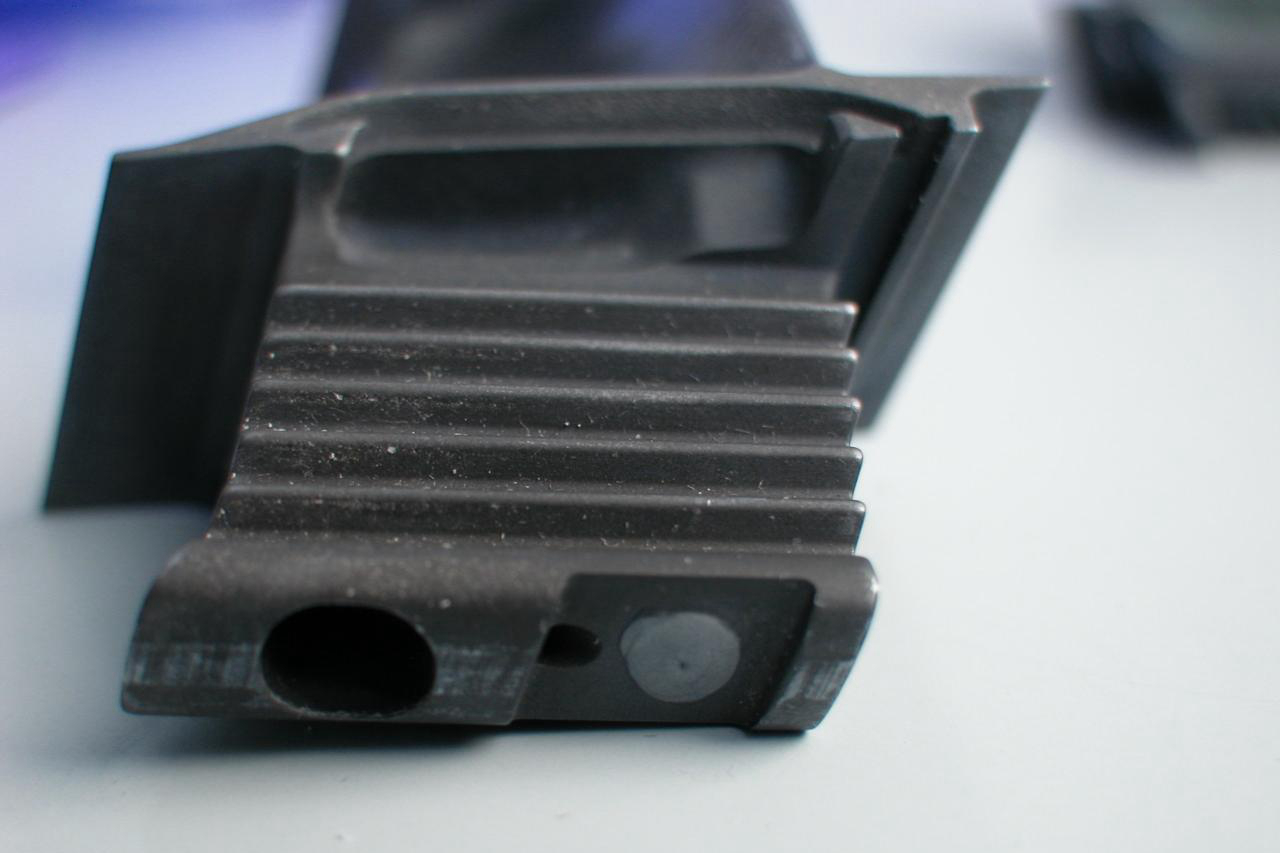
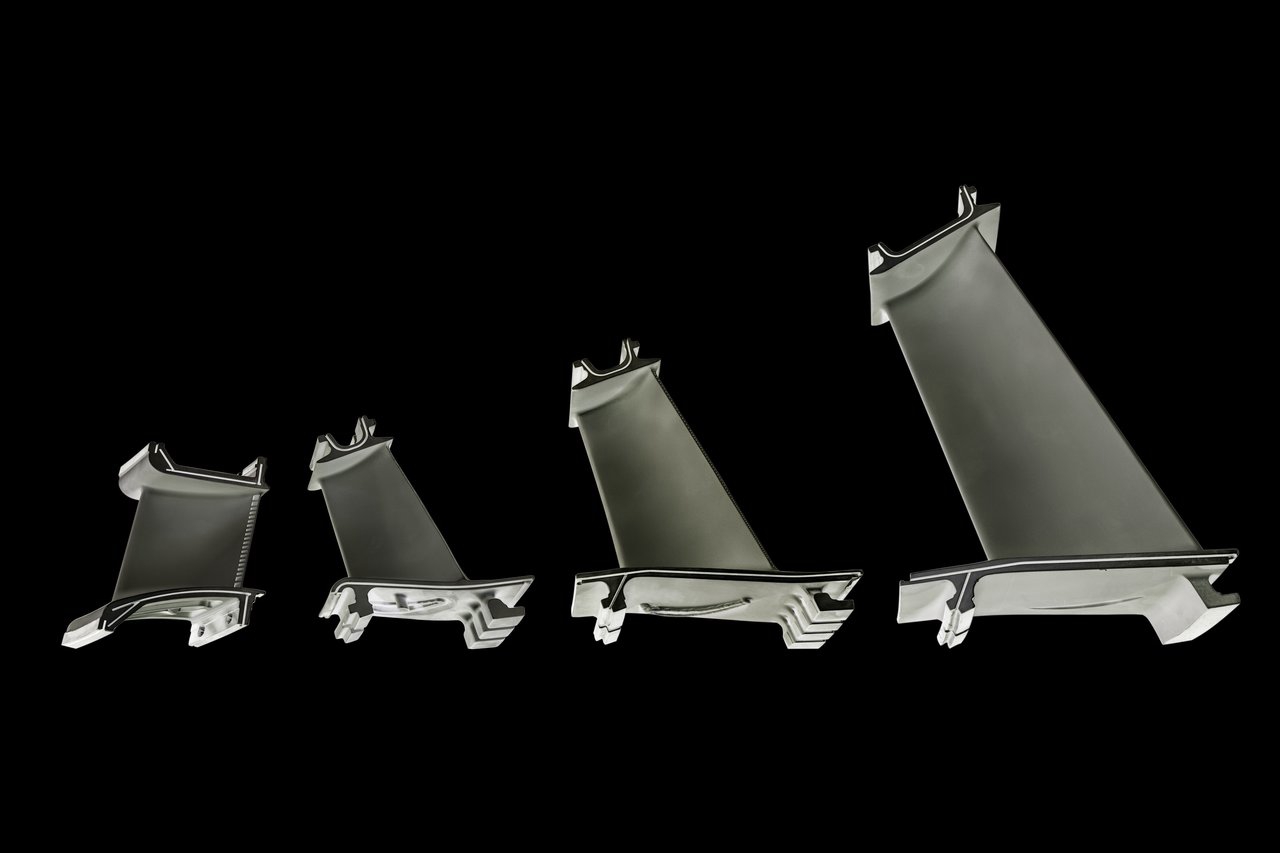
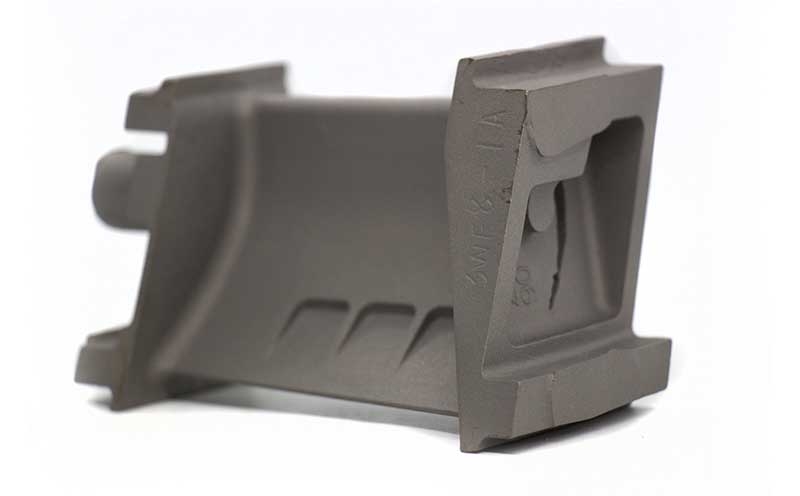
Modern turbine blades feature complex internal cooling passages, varying wall thicknesses, and intricate aerodynamic features. These design elements create uneven heat flow during solidification, making it difficult to maintain single crystal growth across the entire structure. Optimized mold design, thermal insulation strategies, and advanced simulation tools are essential to predict and control solidification behavior.
Material Chemistry and Alloy Stability
Advanced single crystal alloys such as CMSX, Rene, and TMS series contain high levels of refractory elements that improve creep strength but complicate solidification. High rhenium or ruthenium content increases the risk of freckle formation and segregation defects. Maintaining alloy cleanliness, controlling melt chemistry, and preventing contamination are vital to achieving uniform crystal quality.