What are the main applications of single-crystal turbine blades in the aerospace industry?
High-Temperature Turbine Section Applications
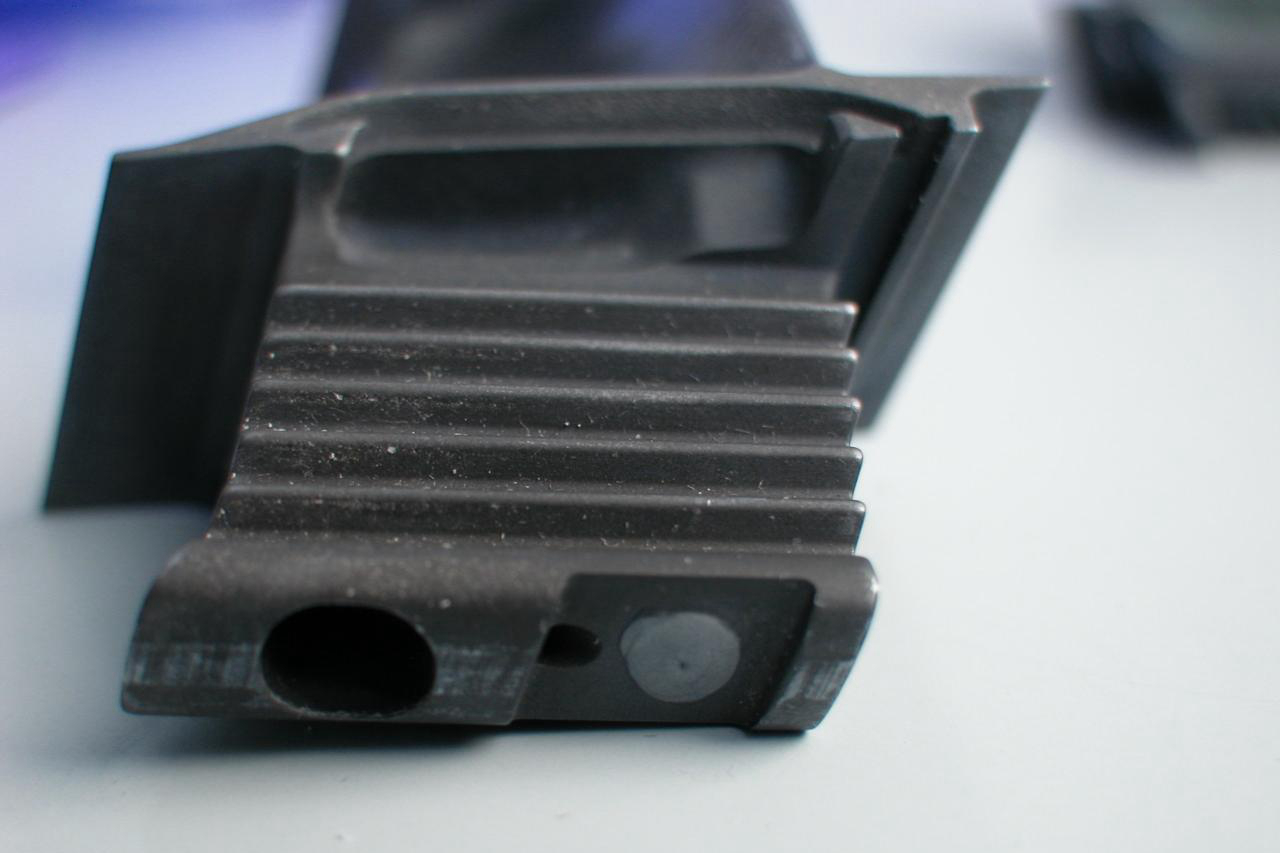
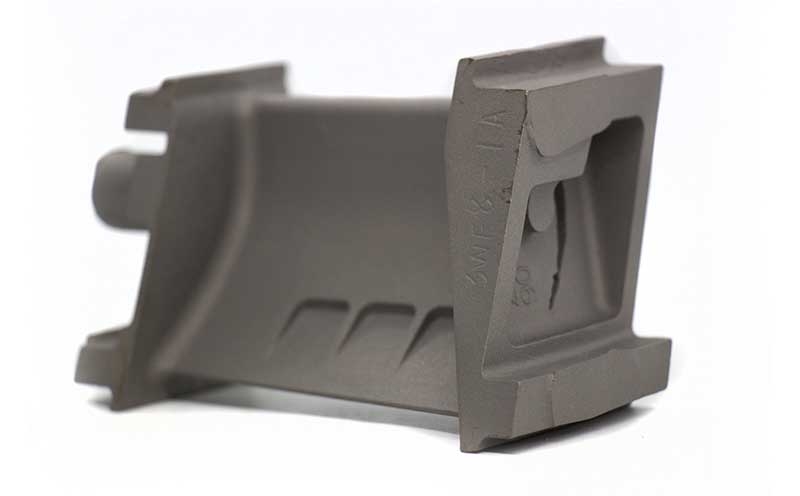
Single-crystal turbine blades are primarily deployed in the hottest stages of modern jet engines, where temperatures exceed the melting point of conventional alloys. Their grain-boundary-free structure provides exceptional creep resistance and thermal stability, making them ideal for first-stage and second-stage turbine blades in aerospace and aviation engines. These blades operate directly behind the combustor, where gas temperatures surpass 1,100°C, requiring advanced alloys such as PWA 1484 or TMS-138 to maintain structural stability during prolonged operation.
Enhanced Performance for High-Thrust Engines
Single-crystal blades are crucial for high-thrust military and commercial engines where efficiency, durability, and power density are essential. They enable higher turbine inlet temperatures (TIT), allowing improved thermodynamic efficiency and fuel burn performance. Fighter aircraft engines benefit significantly from the resulting climb-rate, acceleration, and thrust improvements. In commercial aviation, these blades enhance engine longevity, reduce maintenance requirements, and support long-haul endurance.
Components Subjected to Thermal Fatigue and Creep
The absence of grain boundaries makes single-crystal blades ideal for components exposed to extreme thermal gradients and cyclic loading. High-cycle and low-cycle fatigue resistance is critical for turbine blades subjected to repeated takeoff and landing cycles. Their superior creep resistance ensures dimensional stability, allowing tight clearances between rotating and stationary components, improving turbine efficiency and reducing fuel consumption. These properties are vital for both widebody engines and advanced auxiliary power units.
Integration With Advanced Coatings and Cooling Technologies
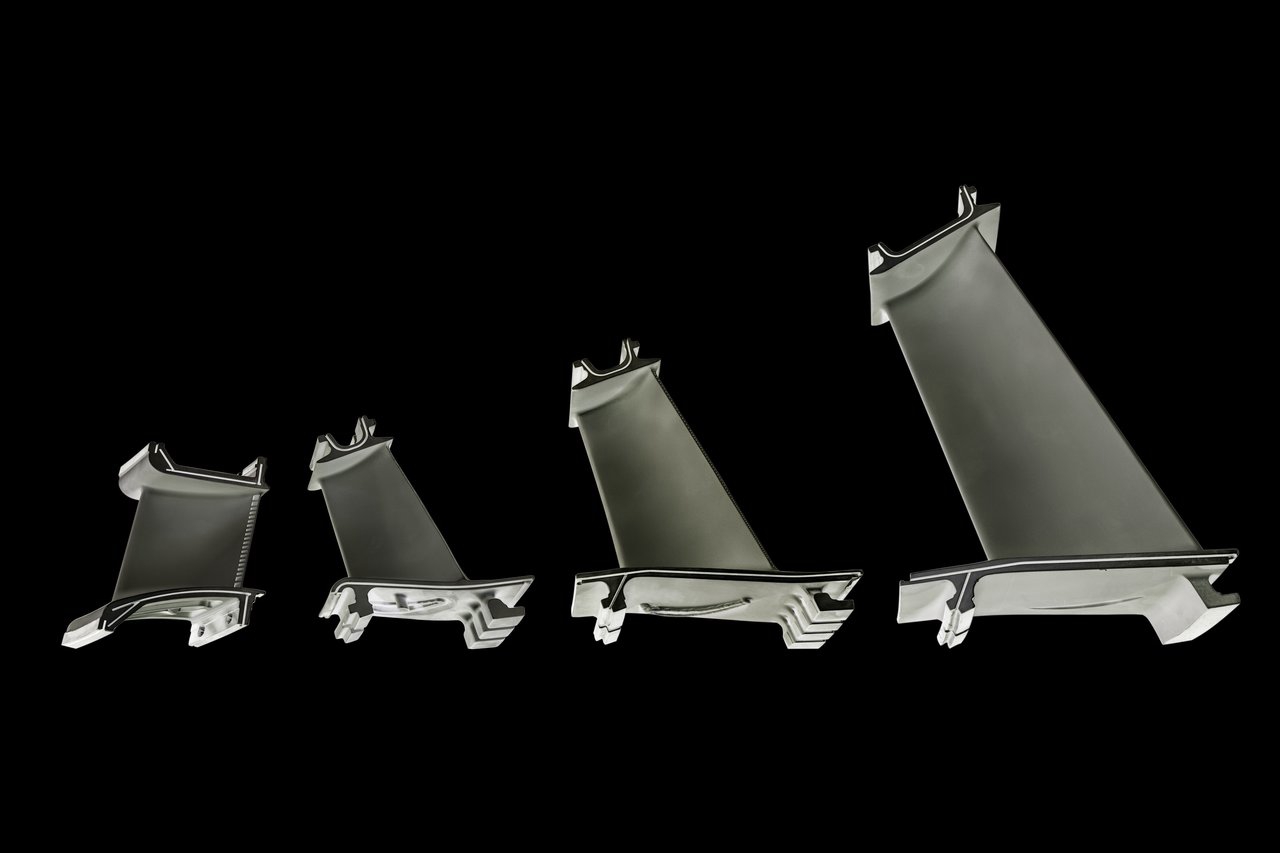
Single-crystal blades form the foundation for sophisticated cooling systems and protective coatings. They pair effectively with thermal barrier coatings (TBC) and complex internal cooling passages that sustain blade life under extreme turbine inlet temperatures. Their compatibility with these technologies makes them indispensable for next-generation high-bypass turbofan engines and high-performance military propulsion systems.