How does single-crystal casting differ from other casting methods?
Elimination of Grain Boundaries
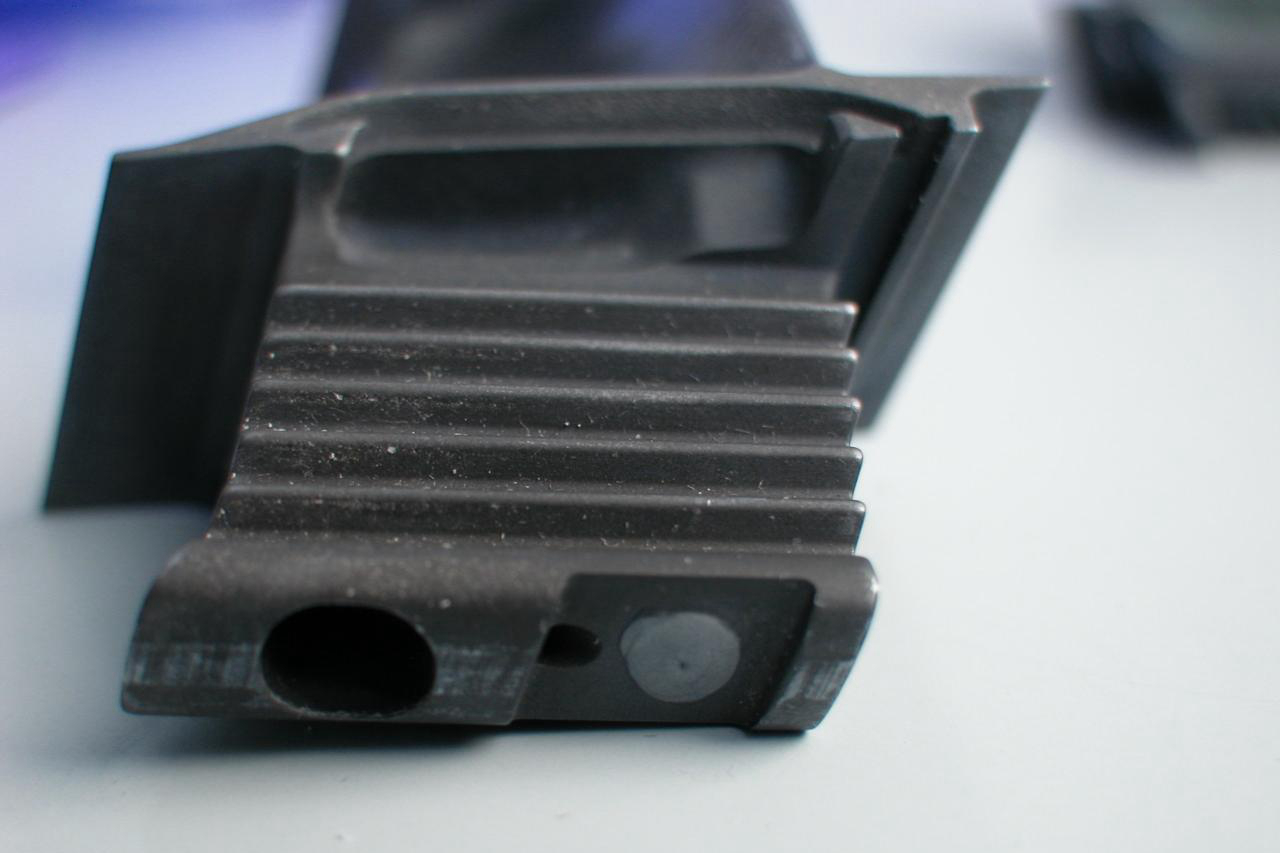
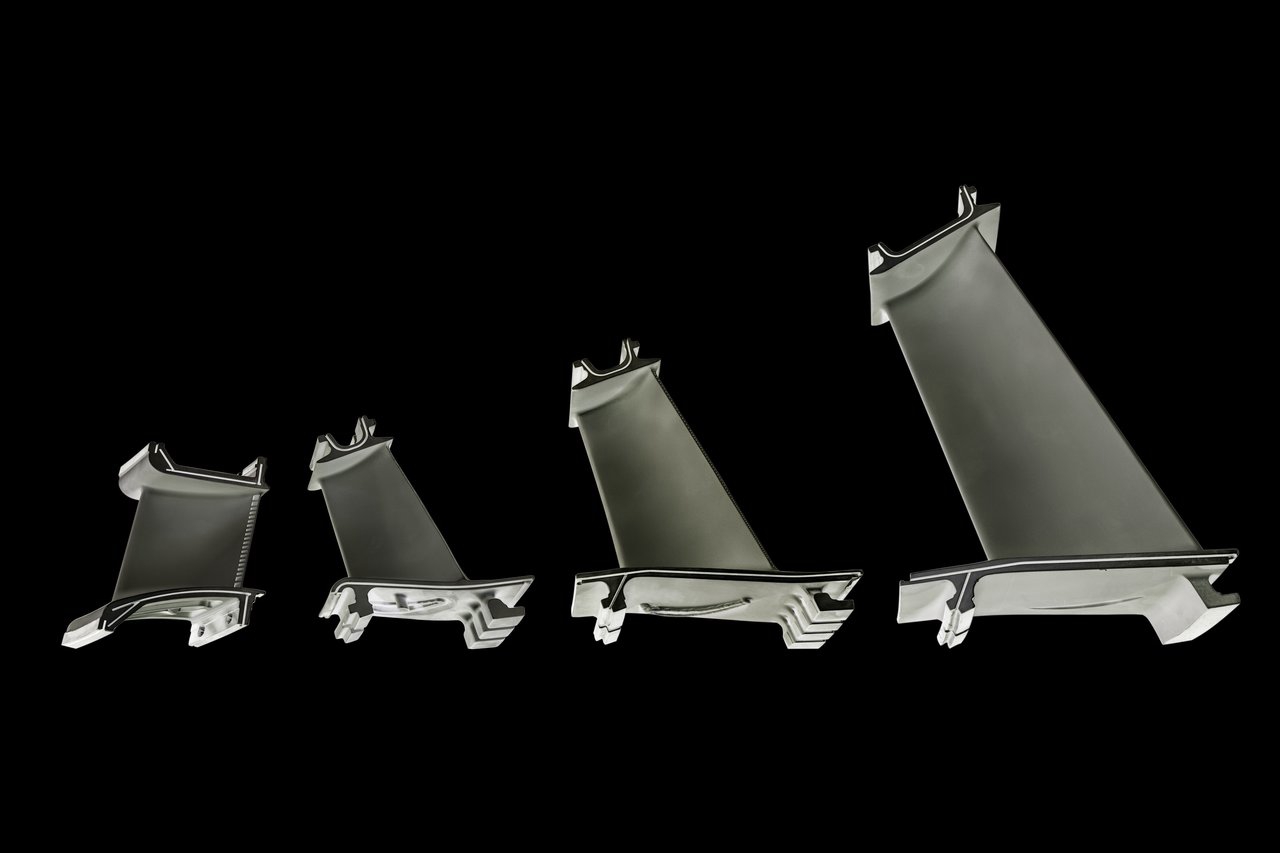
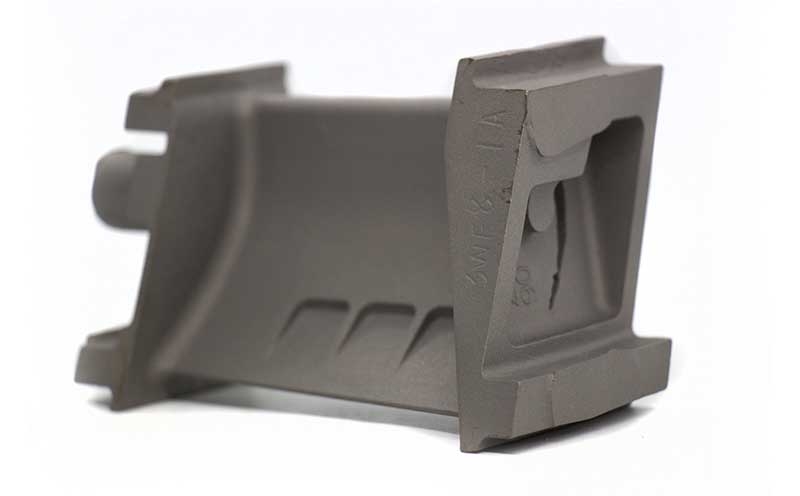
Single-crystal casting is fundamentally different from conventional casting methods because it produces components with no grain boundaries at all. Unlike equiaxed structures formed in standard vacuum investment casting or columnar structures formed in directional casting, single-crystal casting allows the entire part to solidify as one continuous lattice. This results in superior creep resistance, exceptional thermal fatigue performance, and the ability to operate at temperatures near the alloy's solidus—capabilities unmatched by other casting methods.
Controlled Grain Selection and Solidification
The key distinguishing feature is the use of grain selectors and precisely controlled thermal gradients. In single-crystal casting, multiple grains are allowed to nucleate initially, but only the crystal aligned with the thermal gradient propagates through the grain selector. This produces a component that grows in a single orientation, typically <001>. Directional or equiaxed casting does not refine the grain structure to this level; they simply influence the grain morphology rather than eliminating boundaries entirely.
Superior High-Temperature and Mechanical Performance
Because grain boundaries serve as weak points under extreme loading, eliminating them dramatically increases high-temperature capability. Alloys used in single-crystal components—such as CMSX-4 and PWA 1480—can tolerate higher turbine inlet temperatures and maintain mechanical strength for far longer than components produced through equiaxed or directional methods. Conventional castings are limited by grain boundary sliding, oxidation penetration, and fatigue cracking, especially in hot-section aerospace environments.
Post-Processing and Quality Requirements
Single-crystal casting also demands more stringent post-processing and inspection. Processes such as Hot Isostatic Pressing (HIP) and heat treatment are performed to eliminate microvoids, stabilize γ′ phases, and ensure long-term creep performance. High-end inspections—including SEM, orientation mapping, and ultrasonic evaluation—verify that no stray grains or low-angle boundaries compromise performance. Such requirements are generally unnecessary for castings with polycrystalline structures.