How does Hot Isostatic Pressing (HIP) improve the quality of single crystal castings?
Elimination of Internal Porosity
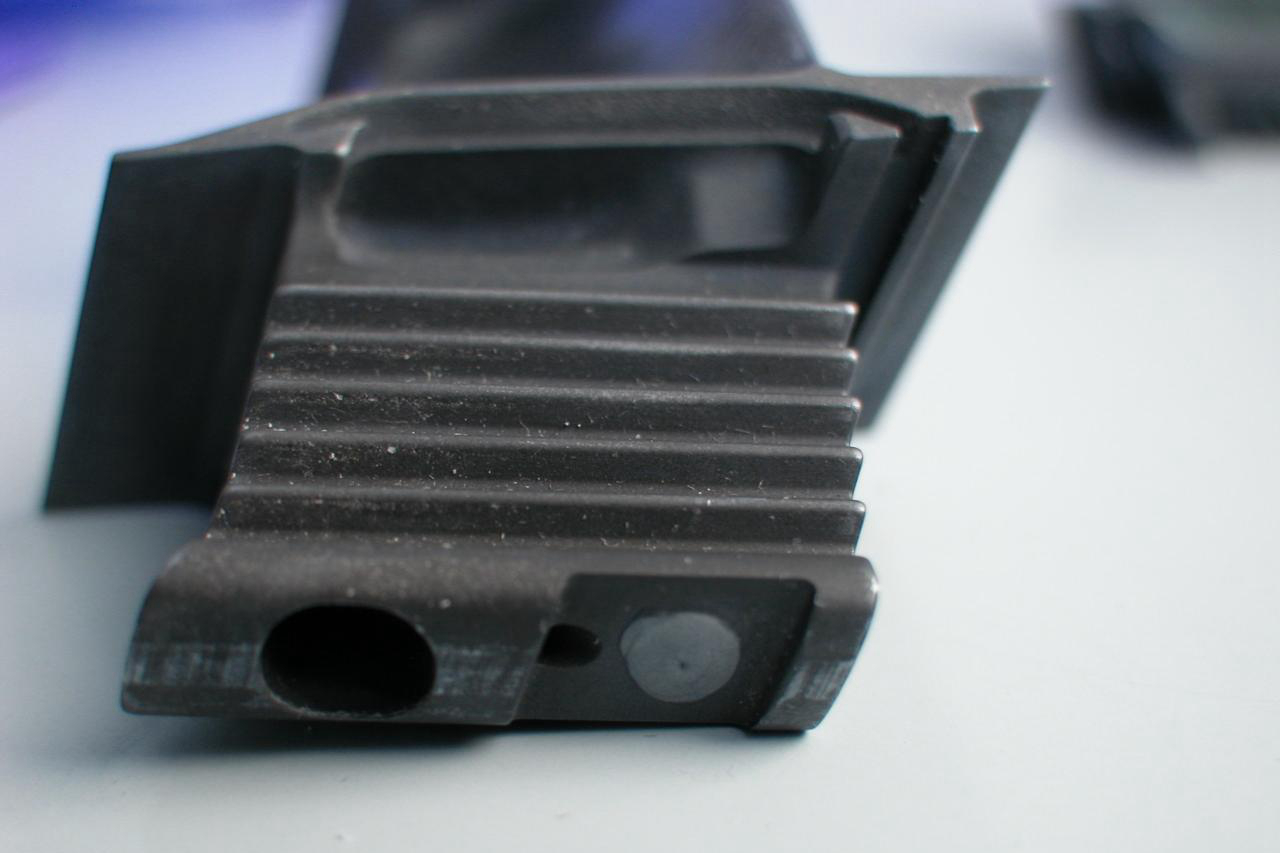
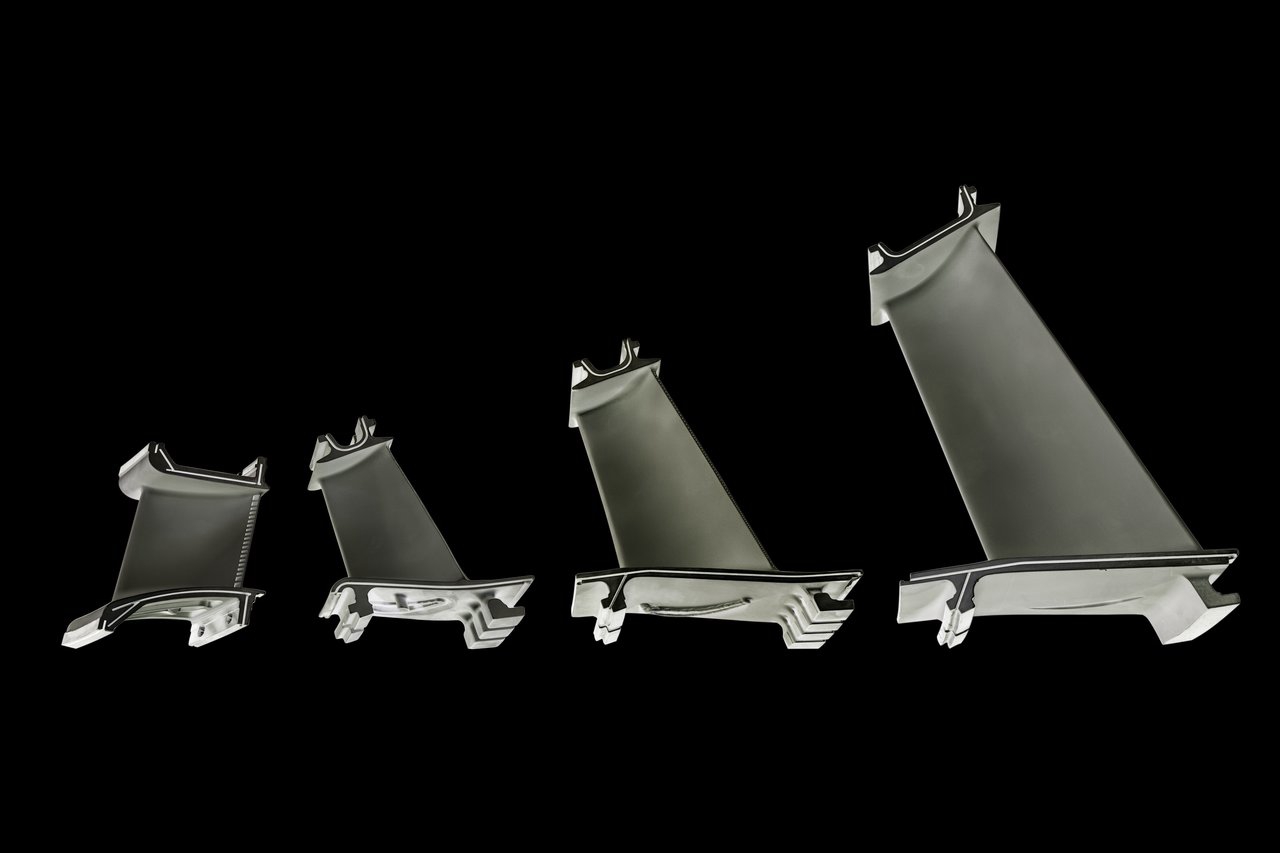
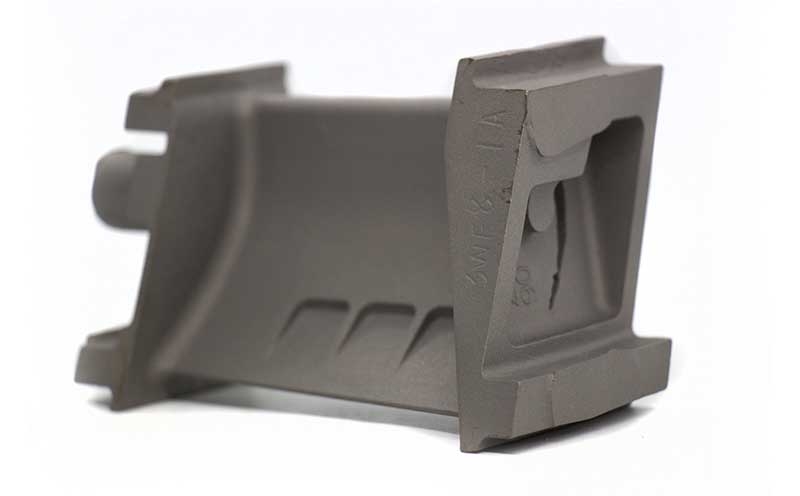
Hot Isostatic Pressing (HIP) is essential for enhancing the structural integrity of single-crystal turbine blades. Even with highly controlled single crystal casting, microvoids, interdendritic shrinkage pores, and trapped gas pockets inevitably form during solidification. These defects act as stress concentrators and potential crack-initiation sites under high-temperature operation. HIP applies elevated temperature and isostatic gas pressure uniformly around the part, promoting atomic diffusion that collapses and fully closes internal voids. This densification significantly improves the casting’s reliability in critical rotating turbine environments.
Enhanced Creep, Fatigue, and Thermal Resistance
Single-crystal superalloys, such as PWA 1480 and CMSX-4, are specifically designed for high-temperature turbine blade applications where creep resistance and thermal fatigue performance are paramount. HIP improves these properties by eliminating sub-surface defects that would accelerate deformation or crack propagation. The resulting pore-free structure ensures a uniform load path, increasing blade durability during extreme thermal gradients and sustained engine operation. HIP also stabilizes the microstructure before subsequent heat treatment steps, enhancing γ′ precipitation uniformity for long-term performance.
Improved TBC Adhesion and Post-Processing Compatibility
HIP preparation improves the surface and internal integrity required for advanced coatings, particularly thermal barrier coatings (TBC). Residual porosity beneath the surface can lead to localized delamination or TBC spallation. By fully densifying the casting, HIP ensures stable coating adhesion during high-temperature cycling. The process also improves dimensional and metallurgical stability before finishing operations such as superalloy CNC machining, enabling tighter tolerance control and consistent mechanical behavior.
Quality Validation and Defect Reduction
HIP significantly lowers the probability of casting-related failures. Once processed, castings undergo advanced inspection—including X-ray imaging, SEM examination, and comprehensive material testing and analysis—to verify densification effectiveness. These evaluations confirm microvoid closure, improved fracture toughness, and enhanced fatigue life. Combining HIP with precise directional solidification ensures that single-crystal blades meet the rigorous durability demands of aerospace and aviation turbine engines.