How can cooling rates during solidification help prevent recrystallization?
Role of Cooling Rate in Microstructural Stability
During single-crystal casting, controlled cooling rates play a critical role in minimizing deformation and thermal stress—two key drivers of recrystallization. When a component cools too slowly, large thermal gradients can develop between thick and thin sections, creating localized plastic strain. These deformation zones become potential nucleation sites for recrystallized grains during subsequent heat treatments. By maintaining an optimized cooling rate, the overall thermal field stays more uniform, significantly reducing the amount of residual strain stored in the microstructure.
Preventing Surface Deformation and Strain
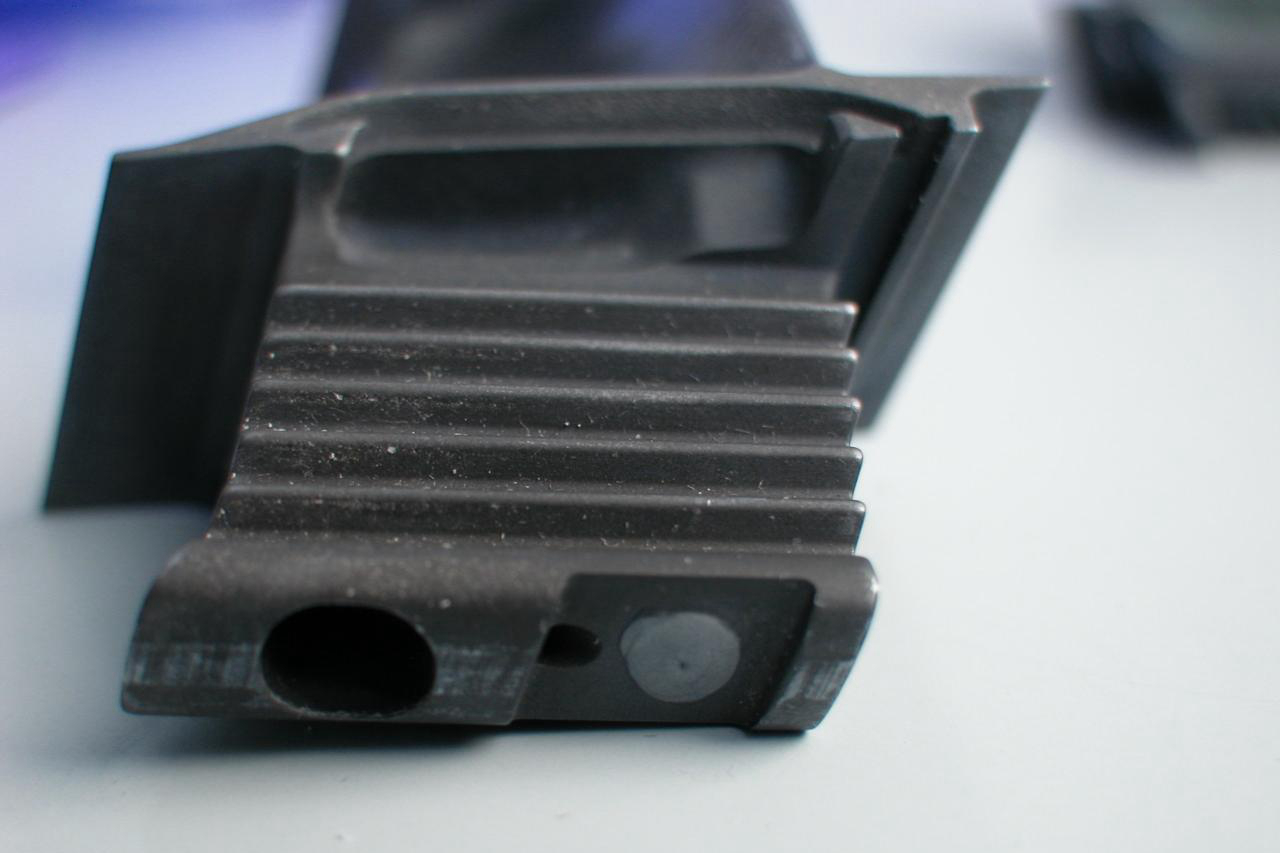
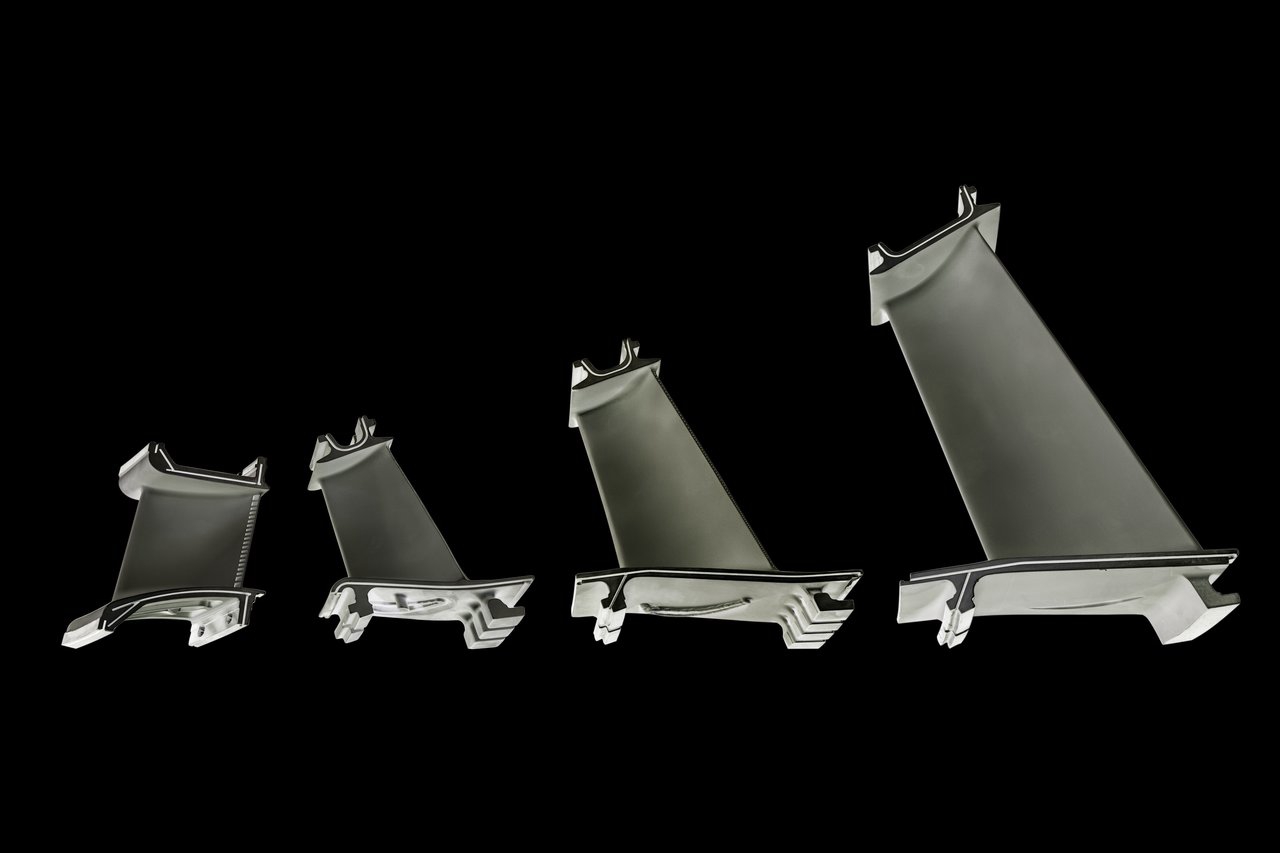
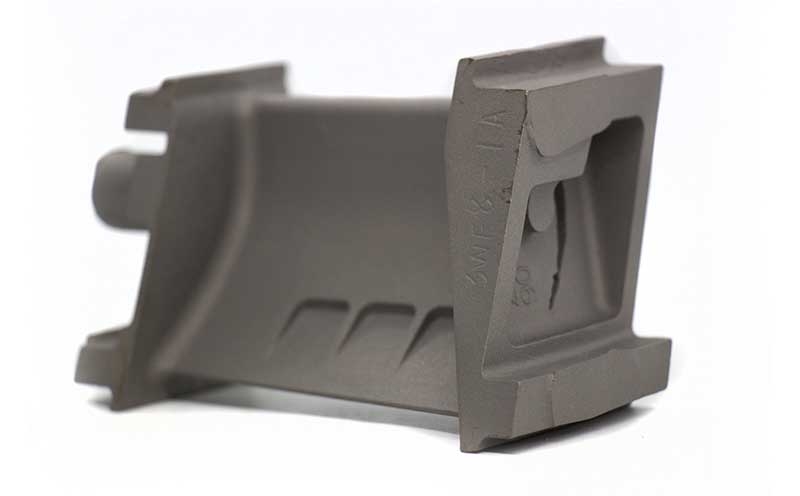
Recrystallization tends to initiate in highly strained surface regions, such as sharp edges or thin trailing features on turbine blades. Fast, uneven cooling can cause surface contraction that exceeds the material’s elastic limit, leading to cold work. Controlled cooling mitigates this by preventing excessive thermal gradients at the surface, thereby lowering plastic strain accumulation. Alloys with high γ′ fractions—such as CMSX-6 or Rene 88—are particularly sensitive to deformation and benefit strongly from controlled cooling regimes.
Solidification Rate and Strain Minimization
The solidification rate determines how quickly the mushy zone transitions to a stable, fully solid crystal. If solidification is excessively rapid, dendrite coarsening and localized shrinkage stresses may lead to micro-cracking or lattice distortion—both of which increase the likelihood of recrystallization during heat treatment. Slower, controlled solidification ensures dendrites grow uniformly, minimizing internal strain. Likewise, avoiding abrupt changes in withdrawal speed during directional casting prevents thermal shocks that could trigger deformation.
Interaction With Downstream Heat Treatments
Recrystallization typically occurs not during solidification itself but during later thermal exposures such as solution heat treatment or coating processes. Proper control of cooling during solidification ensures the microstructure enters these high-temperature steps with low stored strain energy. When deformation is minimized, there is no driving force for new grain nuclei to form during heating. Complementary post-process verification through material testing and analysis helps confirm stability.