How Advanced Mold Designs Support the Seed Crystal Casting Process
Precise Thermal Gradient Management
Advanced mold designs are fundamental to establishing and controlling the steep, unidirectional thermal gradient required for seed crystal casting. The mold, typically created via vacuum investment casting, is engineered with specific thermal properties. The section housing the single crystal seed is designed to chill and extract heat rapidly, while the main body of the mold (the "hot zone") is insulated to maintain a high temperature. This controlled gradient ensures the liquid metal solidifies directionally, starting from the seed crystal and progressing through the entire component, which is critical for producing defect-free second-generation and third-generation single crystal alloys.
Maintaining Crystal Orientation and Integrity
The primary function of the seed crystal is to dictate the precise crystallographic orientation of the final part. The mold design features a precision cavity or "starter block" that holds the seed crystal in exact alignment. Advanced designs ensure perfect contact and alignment between the seed and the incoming melt, preventing the nucleation of stray grains. Features like carefully designed gating systems and post-process analysis points are integrated to minimize turbulence and undercooling at this critical interface, thereby preserving the single-crystal integrity of high-performance alloys like PWA 1484 or CMSX-4.
Enabling Complex Component Geometries
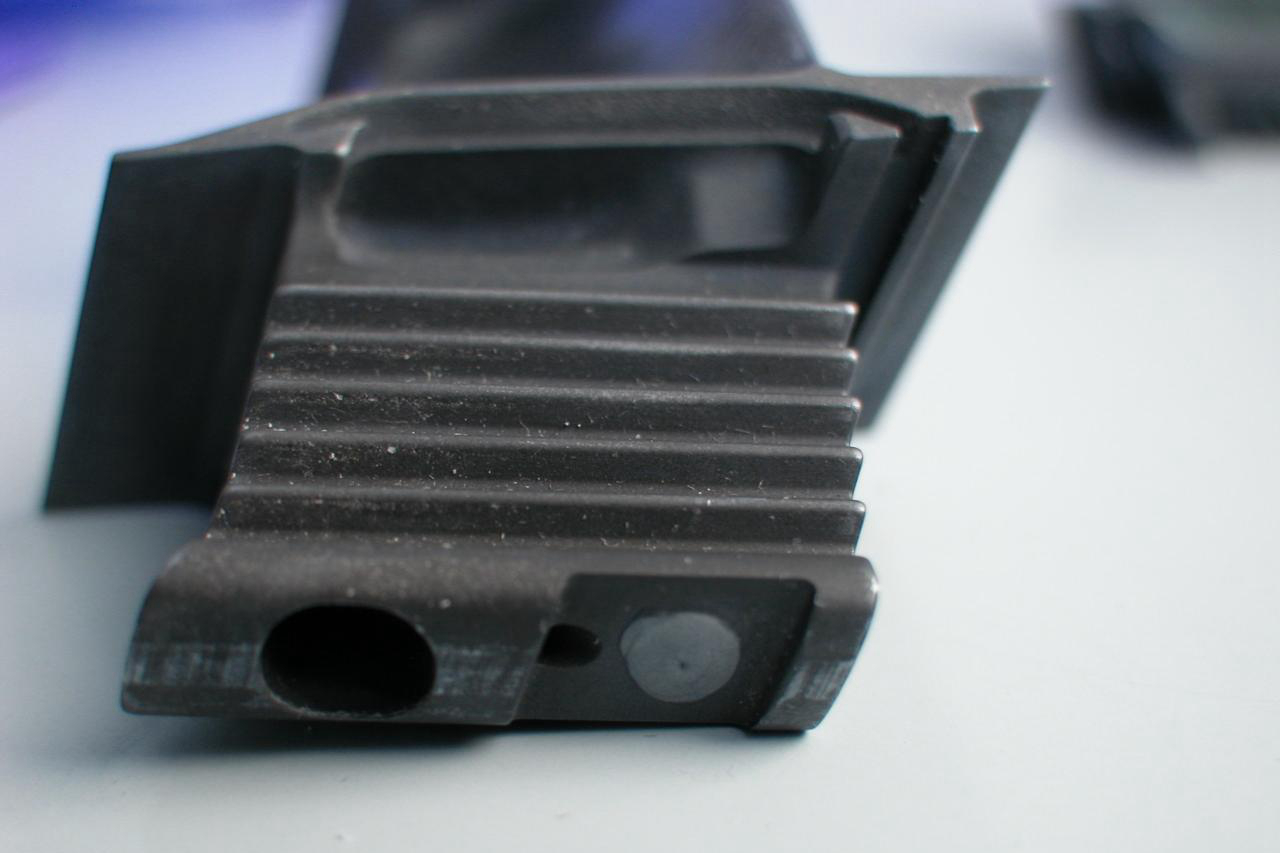
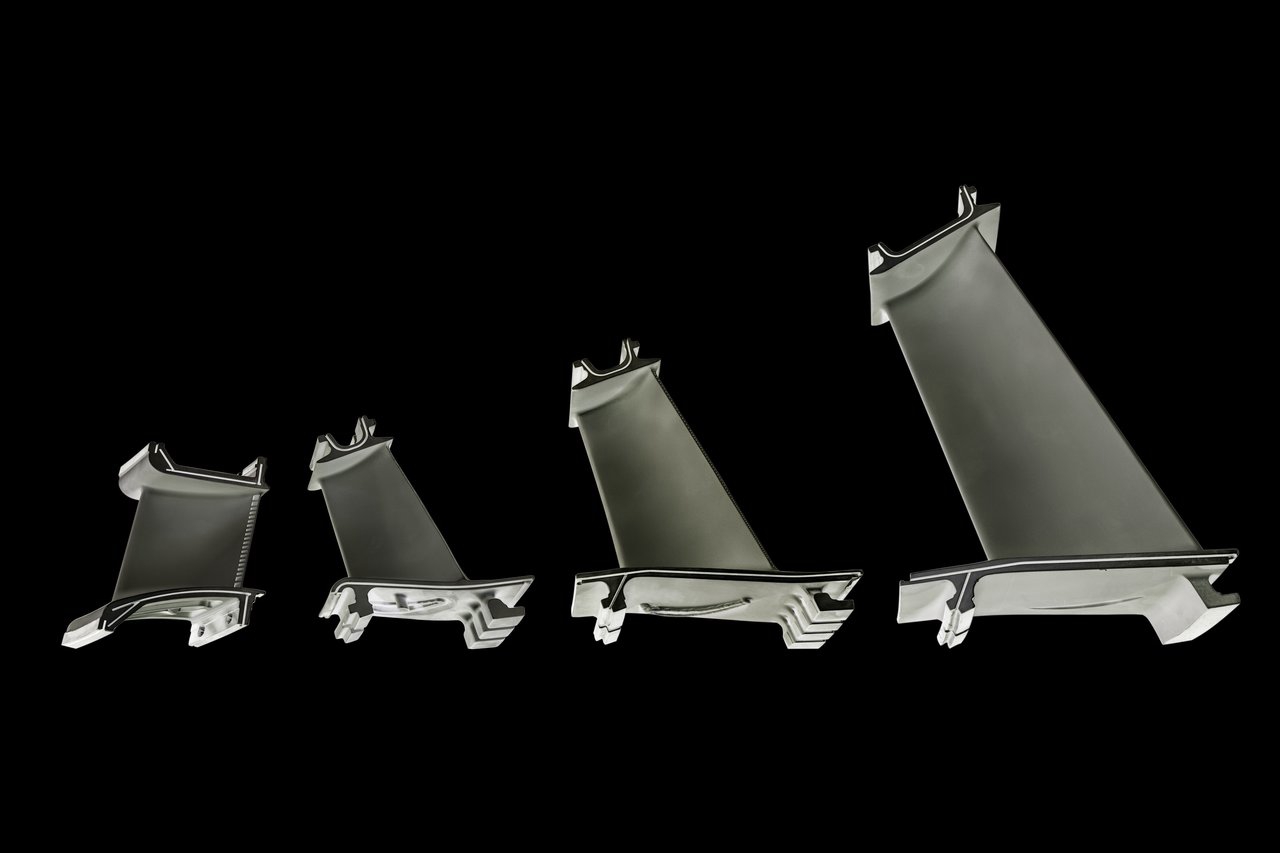
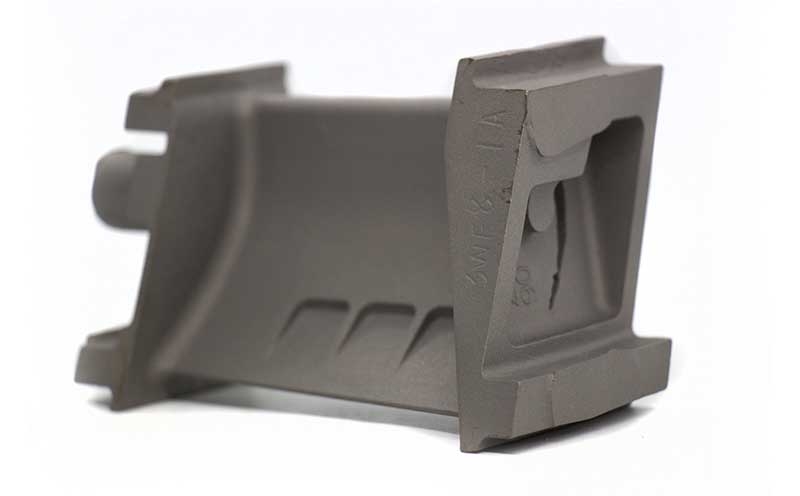
Modern seed crystal casting is used for intricate components like first-stage turbine blades. Advanced mold designs incorporate complex internal cores to form intricate cooling channels within the airfoil. These cores must be positioned with extreme accuracy relative to the seed crystal's growth direction. The mold's design ensures that the directional solidification front can progress smoothly around these core geometries without creating defects, enabling the production of complex, high-efficiency components essential for aerospace and aviation engines.
Integration of Process Control Features
Sophisticated mold designs integrate features for enhanced process control and monitoring. This can include built-in thermocouple ports to directly measure the temperature gradient during solidification or strategic chill plates to locally modify the solidification rate. By enabling precise control over the solidification parameters, these mold-based features directly support the reproducibility and quality of the seed casting process, leading to components with optimized mechanical properties for power generation turbines.
Facilitating High-Yield Manufacturing
A well-engineered mold is key to achieving high manufacturing yield. It minimizes scrap caused by defects like freckles, stray grains, or low-angle boundaries that can originate during the initial growth phase from the seed. By providing a stable, predictable environment for directional solidification, advanced mold designs make the seed crystal process more robust and reliable. This reliability is critical for the cost-effective production of premium components from Rene N5 and other advanced single-crystal superalloys.