What role does powder metallurgy play in the production of jet engine components?
Microstructure Precision and Uniformity
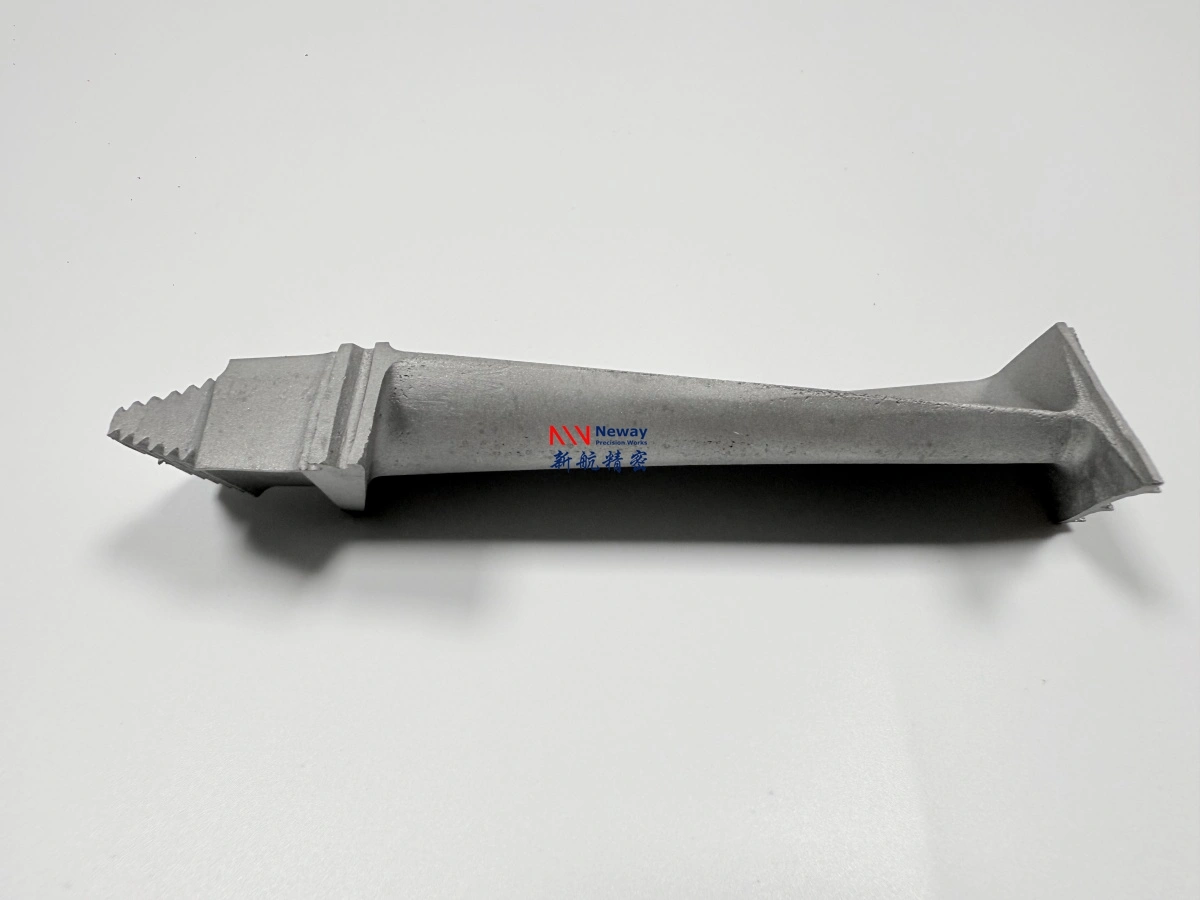
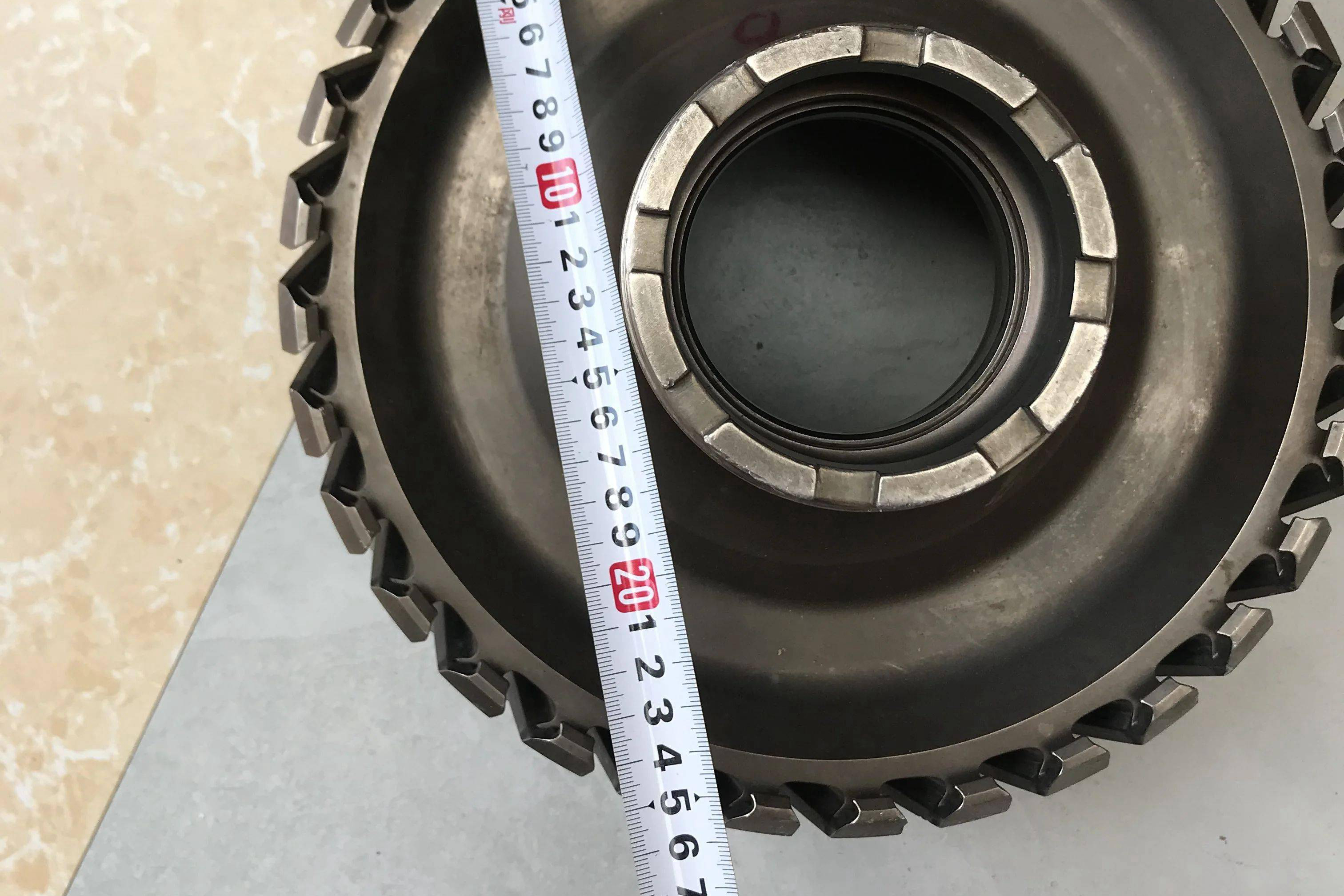
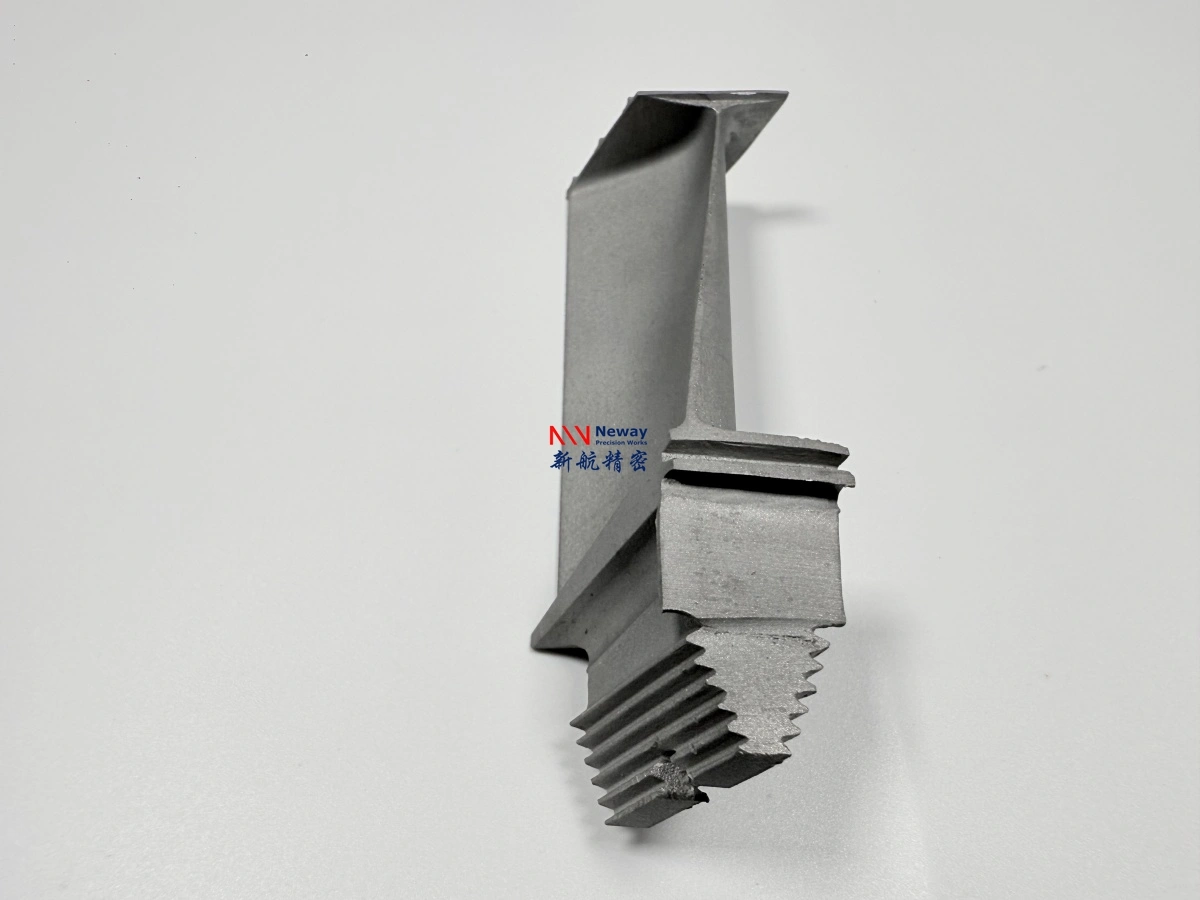
Powder metallurgy enables exceptional control over grain structure and chemical composition, which is critical for jet engine components exposed to extreme stress and temperature gradients. By producing alloy powders with controlled particle size and purity, processes like those used for powder metallurgy turbine disc manufacturing achieve high density and minimal segregation. This ensures longer fatigue life and more predictable behavior under thermal cycling.
Enhanced Performance in High-Stress Applications
Components such as turbine disks, combustor walls, and flow-regulating structures require superior creep resistance and fracture toughness. Powder metallurgy allows alloys like Rene 65 and Inconel 718LC to be optimized with fine grain size and uniform distribution of strengthening phases. This improves operating reliability in rotating components and thermally active zones of the engine.
Compatibility with Post-Processing and Machining
Powder metallurgy near-net shape parts reduce the amount of raw material usage and machining time. They integrate well with finishing operations such as superalloy cnc machining and can be further refined through hot isostatic pressing (HIP) to eliminate porosity and improve fatigue resistance. This combination supports precision fit for turbine interfaces and high-performance sealing areas.
Efficient Production and Prototyping
Powder metallurgy can shorten development time by allowing multiple material grades to be evaluated without traditional casting tooling. This is particularly beneficial in early-stage aero engine innovation, where material performance must be validated before full-scale manufacturing. When combined with non-destructive testing and material testing and analysis, powder metallurgy accelerates certification and reduces production risks.