What is the advantage of using powder metallurgy in armor system manufacturing?
Microstructure Control and Strength Optimization
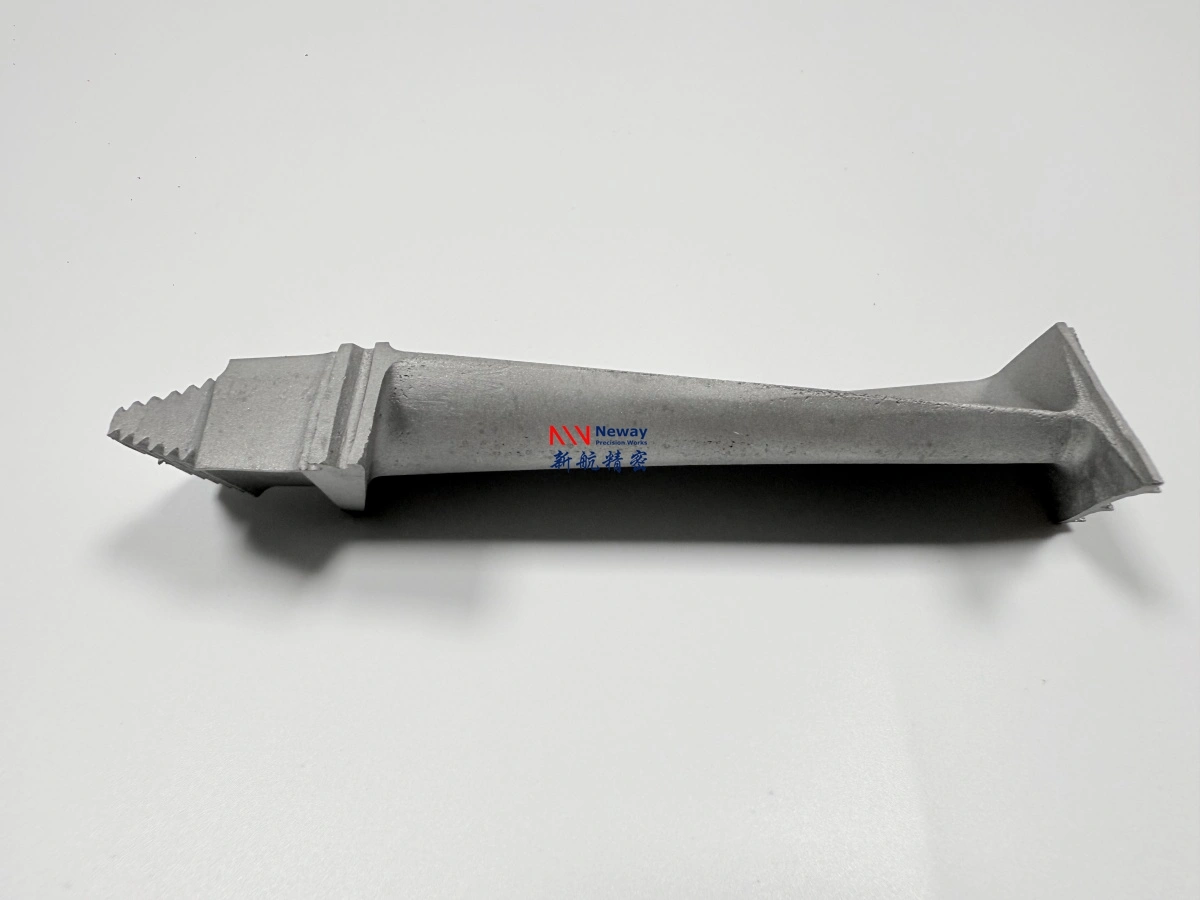
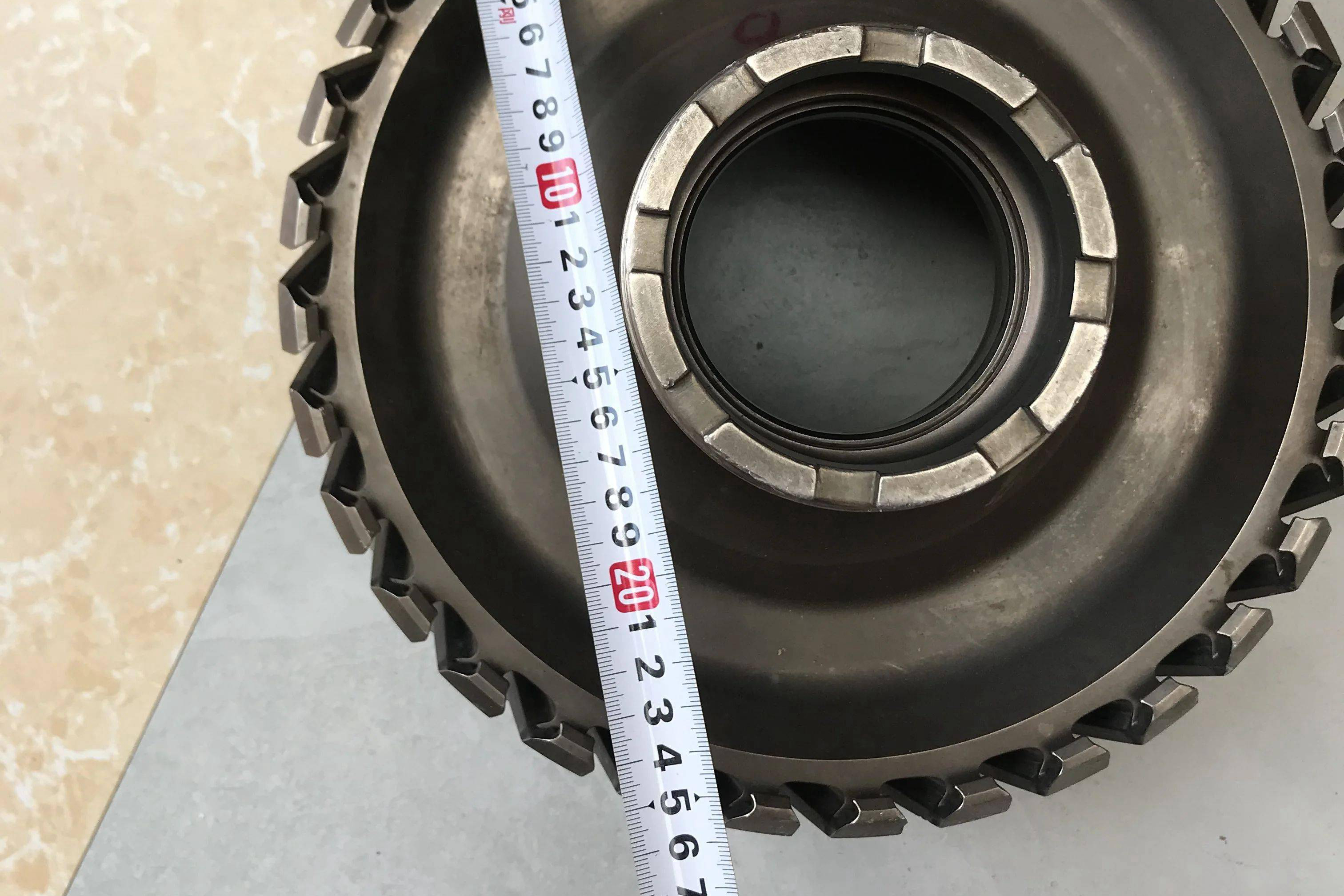
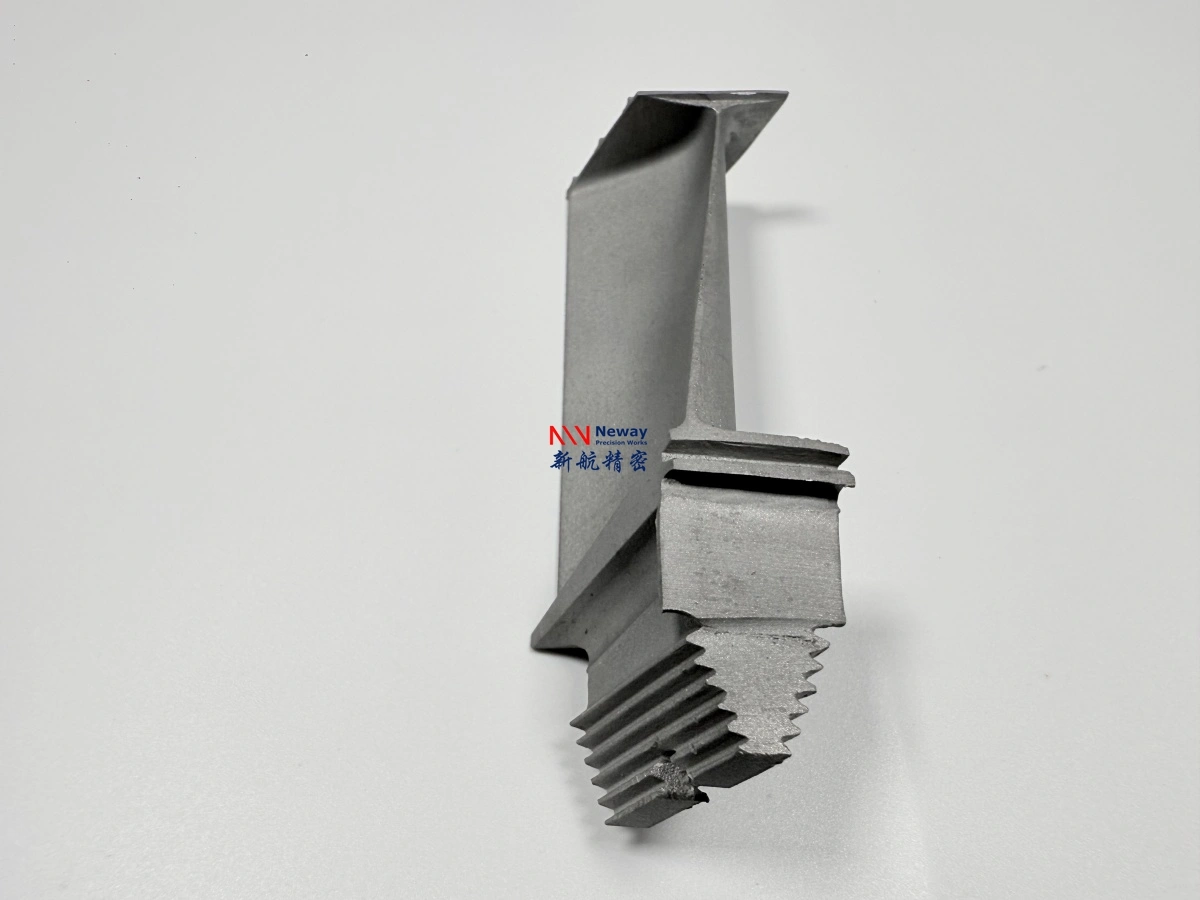
Armor systems require high-strength materials that can absorb impact energy and resist deformation. Powder metallurgy allows precise control of grain size and phase distribution, resulting in uniform microstructure and enhanced strength. Techniques used in powder metallurgy turbine disc manufacturing demonstrate how optimized powder processing improves mechanical stability for protective components and structural reinforcements.
Wear and Fatigue Resistance
Sliding joints and connector elements in armor systems are subject to repetitive stress and abrasive wear. Powder metallurgy enables the production of tough, fine-grain superalloys such as Rene 95 and Inconel 617, which deliver improved fatigue strength and resistance to wear, crack propagation, and plastic deformation.
Near-Net Shape Efficiency and Design Flexibility
Powder metallurgy enables near-net shape forming, minimizing machining time and material waste. This is particularly advantageous for complex armor geometries and modular designs, where high accuracy and lightweight characteristics are required. Components produced through powder metallurgy can be easily integrated with finishing processes like superalloy cnc machining for final precision control.
Cost-Effectiveness and Prototyping Benefit
For developing new armor configurations, powder metallurgy enables fast prototyping without committing to full-scale casting tooling. By evaluating multiple alloy compositions efficiently, engineers can optimize impact resistance and structural performance early in the design phase, reducing development risk and accelerating validation cycles.