What are the advantages of powder metallurgy for superalloy component production?
Microstructural Uniformity and Strength
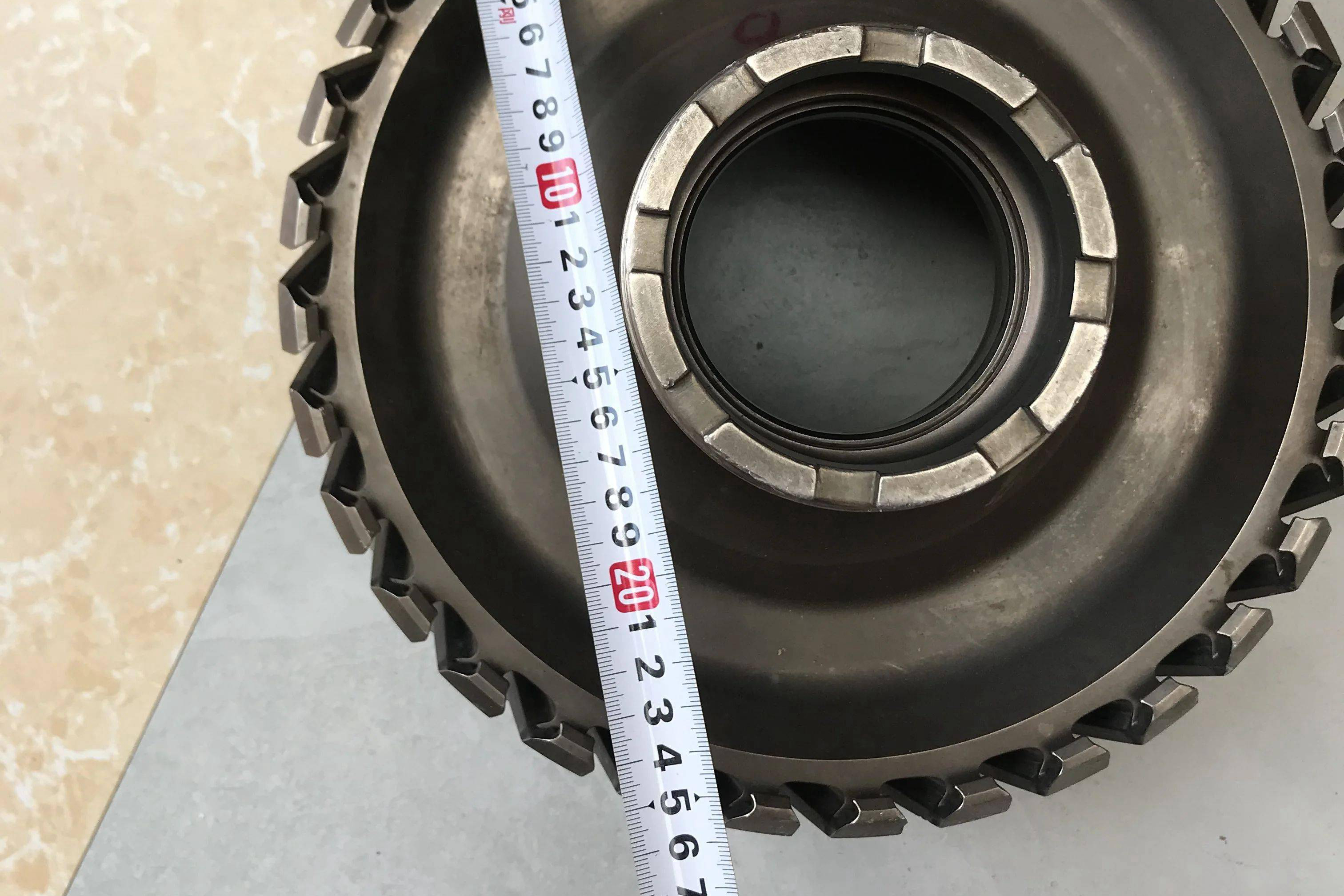
Powder metallurgy enables the production of superalloy components with highly uniform grain structures and minimal segregation. The process consolidates fine alloy powders under controlled pressure and temperature, resulting in superior creep resistance and mechanical stability. Alloys such as FGH96 deliver consistent strength at high temperatures, ideal for pressure-bearing or cyclic-load components across various industries.
Near-Net Shape Manufacturing
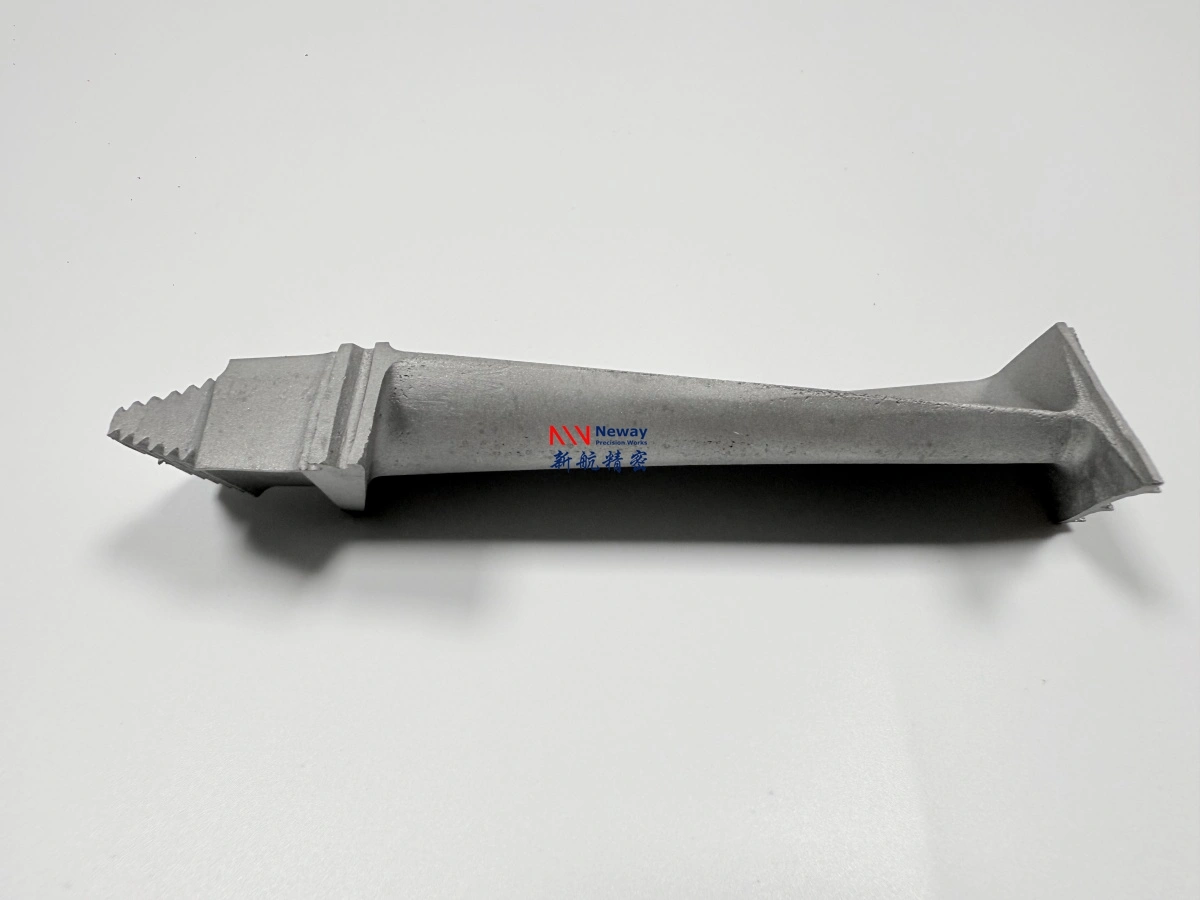
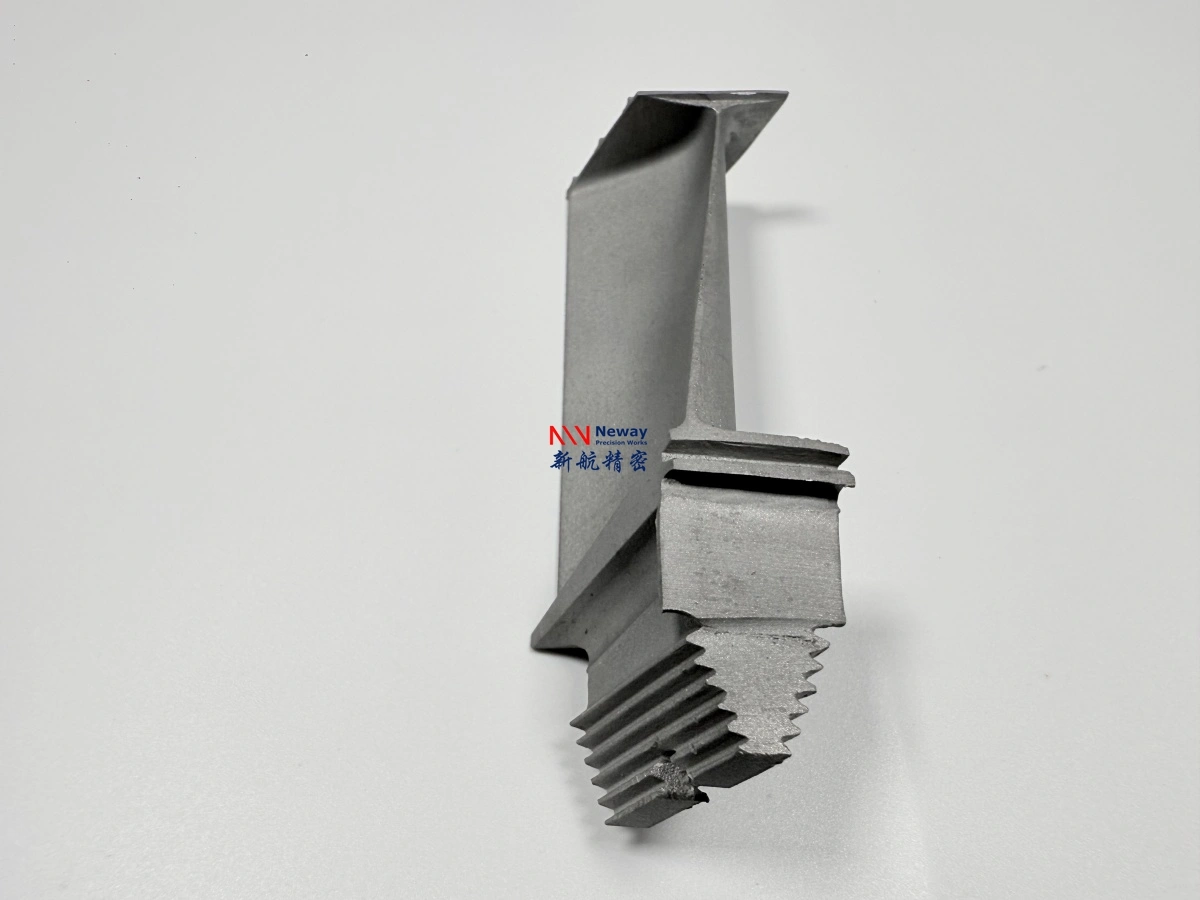
Powder metallurgy enables near-net shape production of complex geometries, reducing machining time and material waste. This is particularly valuable for intricate components where conventional forging or casting may struggle. After forming, precision finishing can be conducted using superalloy CNC machining to achieve tight tolerances and functional surface quality.
Enhanced Performance Through Post-Processing
Powder-based components can benefit from post-processing steps such as hot isostatic pressing (HIP) to remove microvoids and increase density. Subsequent superalloy heat treatment stabilizes phase composition and improves fatigue resistance, enabling consistent long-term performance in demanding thermal and chemical environments.
Industrial Advantages and Reliability
Powder metallurgy ensures batch consistency and supports full process traceability, making it suitable for critical components used in power generation, oil and gas, and chemical processing industries. With comprehensive material testing and analysis, powder metallurgy delivers components with predictable lifecycle performance and improved safety profiles.