How does powder metallurgy improve superalloy tank assembly production?
Enhanced Microstructure Control
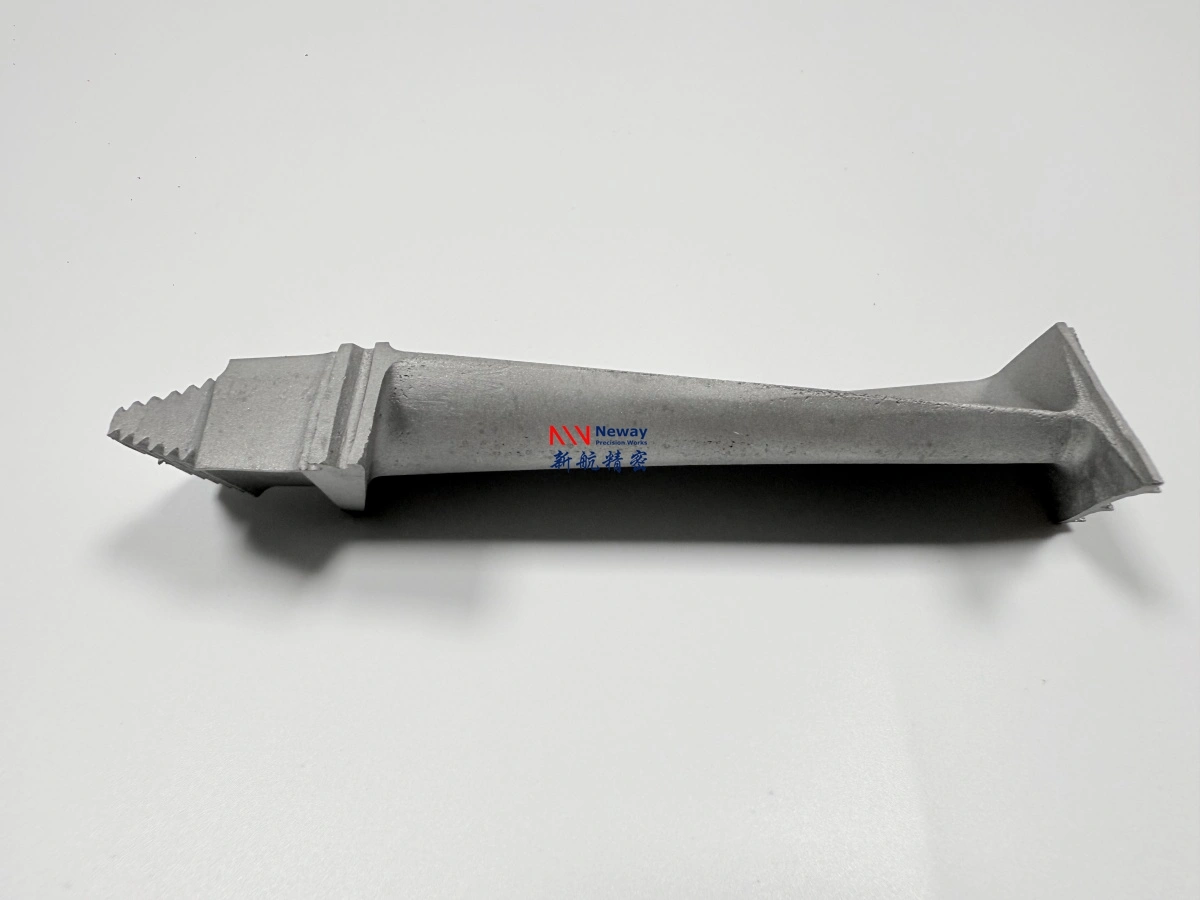
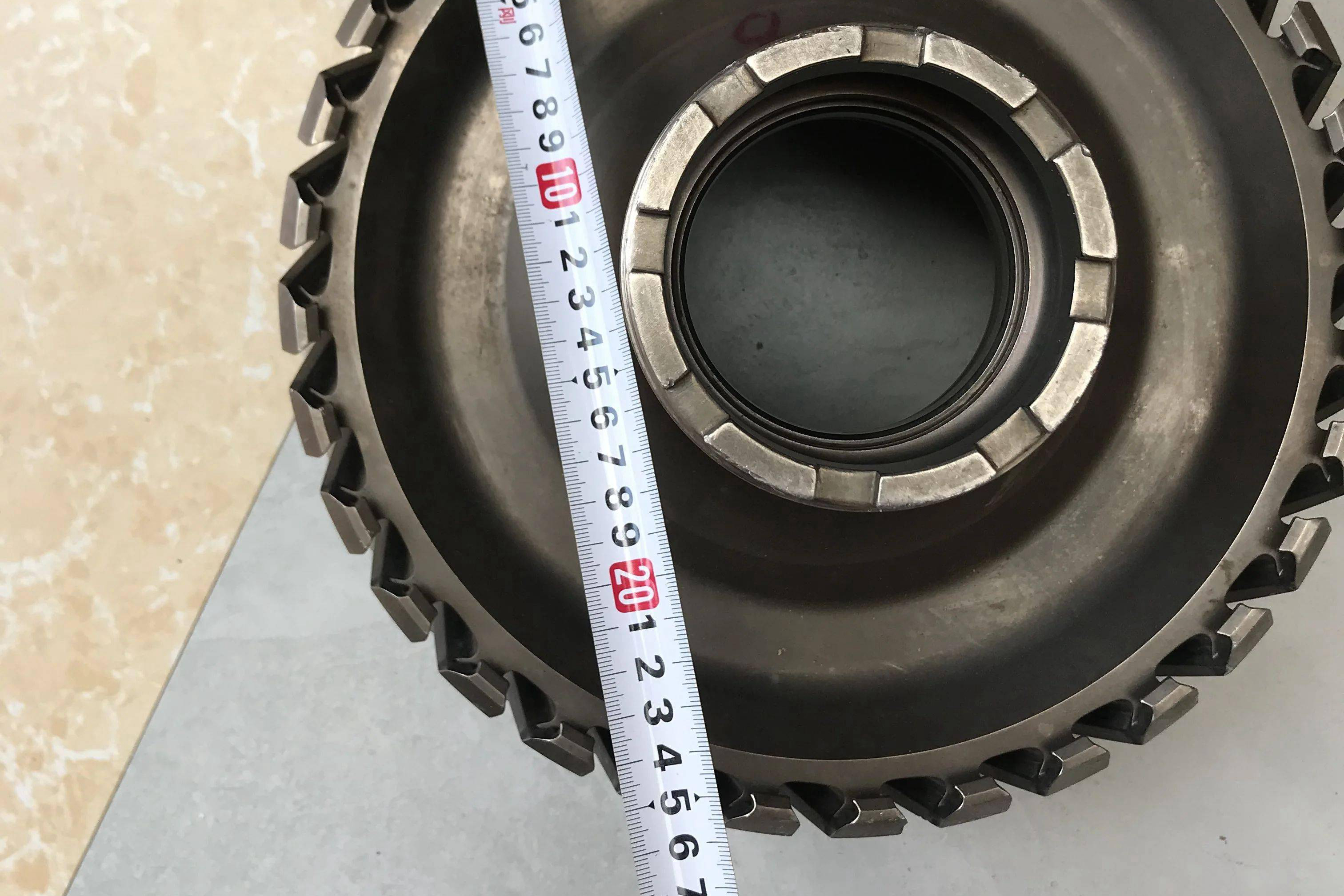
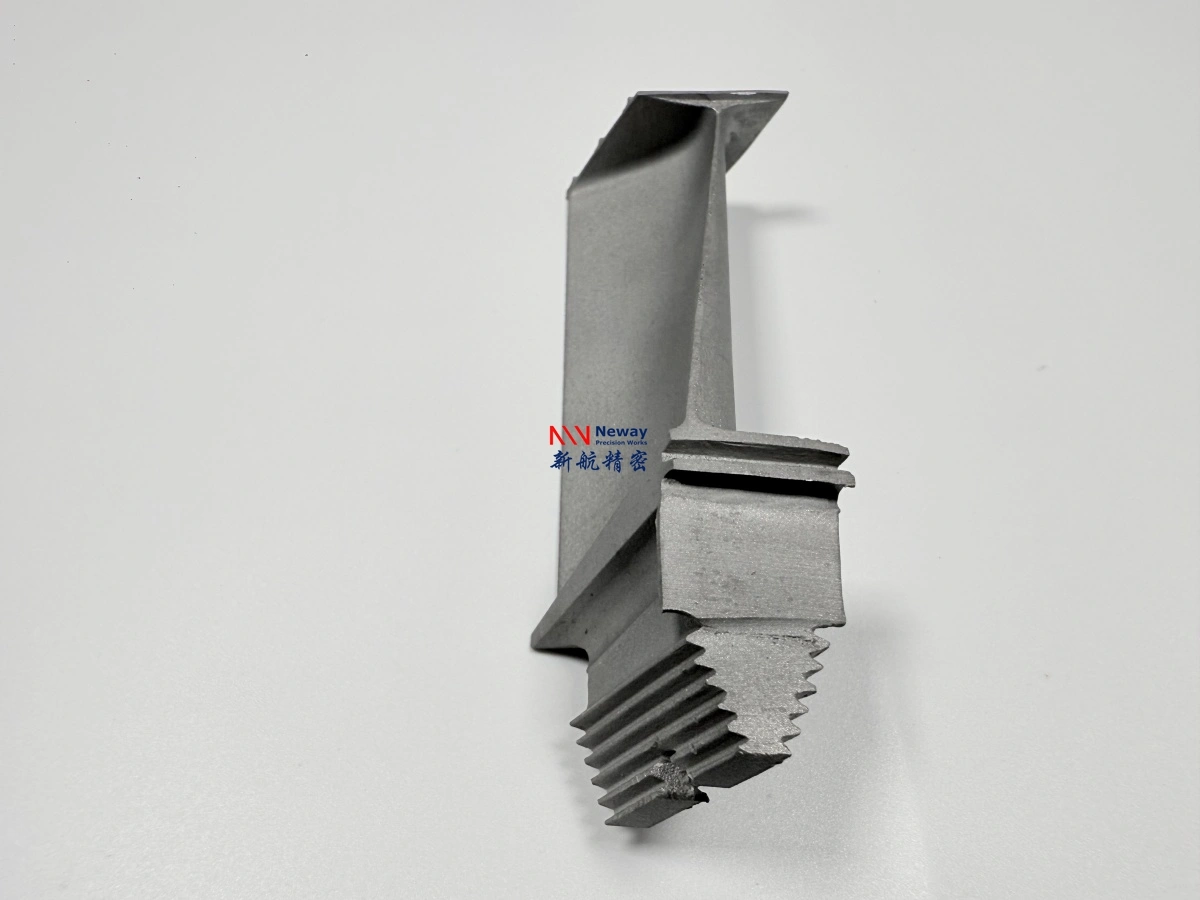
Powder metallurgy offers a highly uniform microstructure for superalloy tank assemblies, thereby minimizing segregation and grain boundary defects that frequently occur in conventional casting processes. By atomizing alloy powders and consolidating them under controlled conditions, technologies such as powder metallurgy turbine disc manufacturing enable superior grain distribution and higher density materials, offering longer fatigue life and better resistance to crack propagation in aerospace tank structures.
Superior Performance in High-Stress Environments
Superalloy tank assemblies used in aerospace and aviation systems must endure pressure cycling, temperature gradients, and fuel-induced corrosion. Powder metallurgy allows precise heat treatment and alloy modification to improve mechanical strength and creep resistance. Alloys like Rene 65 and Inconel 718LC benefit from fine-grain dispersion, making them suitable for high-pressure tank brackets, flow regulators, and thermal insulation shells.
Compatibility with Advanced Manufacturing Methods
Powder metallurgy components are often produced as near-net shapes, reducing material waste and machining time. They can also be efficiently combined with superalloy cnc machining and precision post-processes such as hot isostatic pressing (HIP) to improve final density and eliminate internal porosity. This enables the optimization of final dimensions for assembly while maintaining microstructural stability.
Improved Efficiency and Cost Performance
Because powder metallurgy reduces the need for complex tooling and extensive machining, prototype and low-volume aerospace tank assemblies can be produced more efficiently. This is particularly advantageous when designing modular systems for fuel storage or cryogenic liquid management. The repeatability of powder-based manufacturing supports faster validation cycles when combined with material testing and analysis and regulatory compliance procedures.