How does powder metallurgy improve missile segment performance?
Enhanced Microstructural Uniformity
Powder metallurgy technology enables uniform alloy distribution at the microscopic level, improving fatigue resistance and thermal stability. In missile segments, high-performance alloys like FGH96 offer exceptional grain refinement and enhanced γ′ strengthening. The precise control of powder particle size contributes to improved creep resistance and structural integrity under extreme loading conditions.
Superior Mechanical Properties for High-Temperature Environments
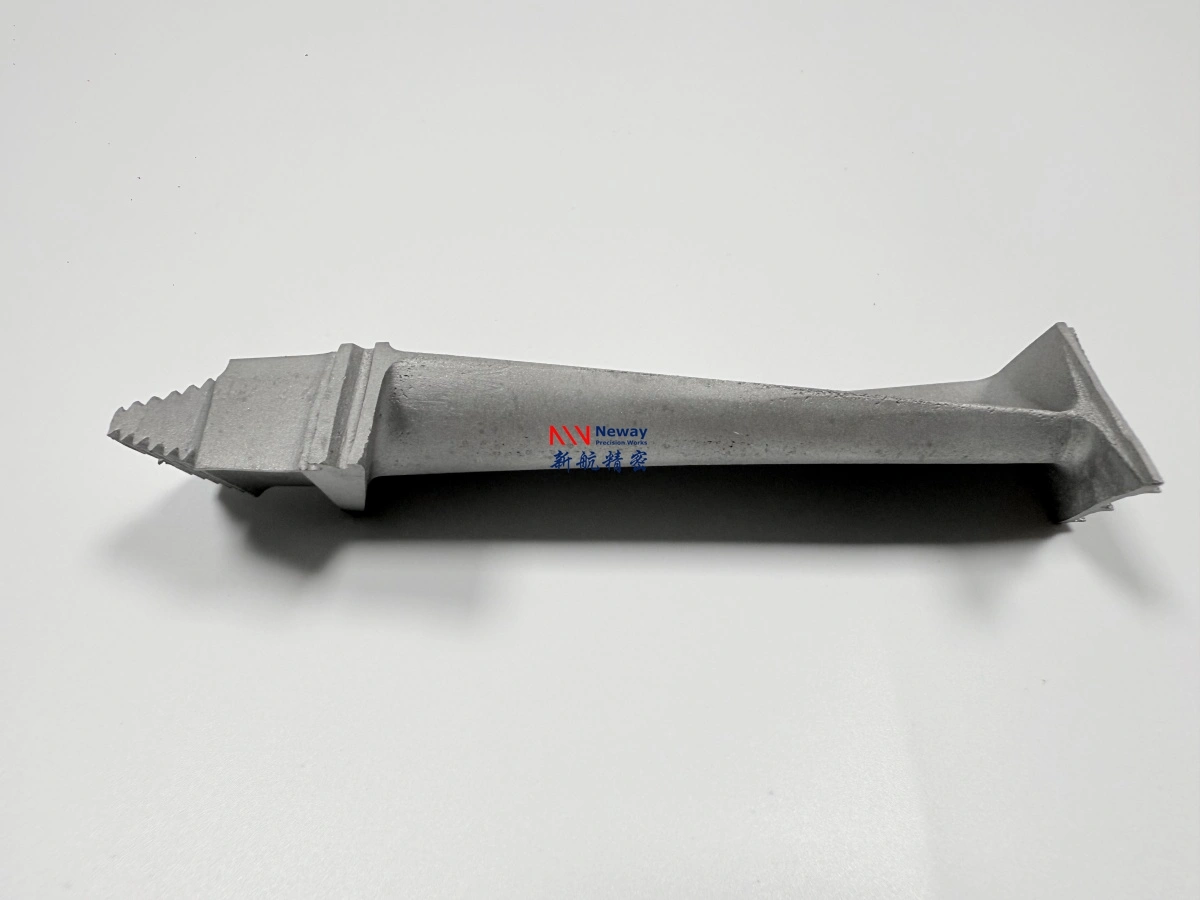
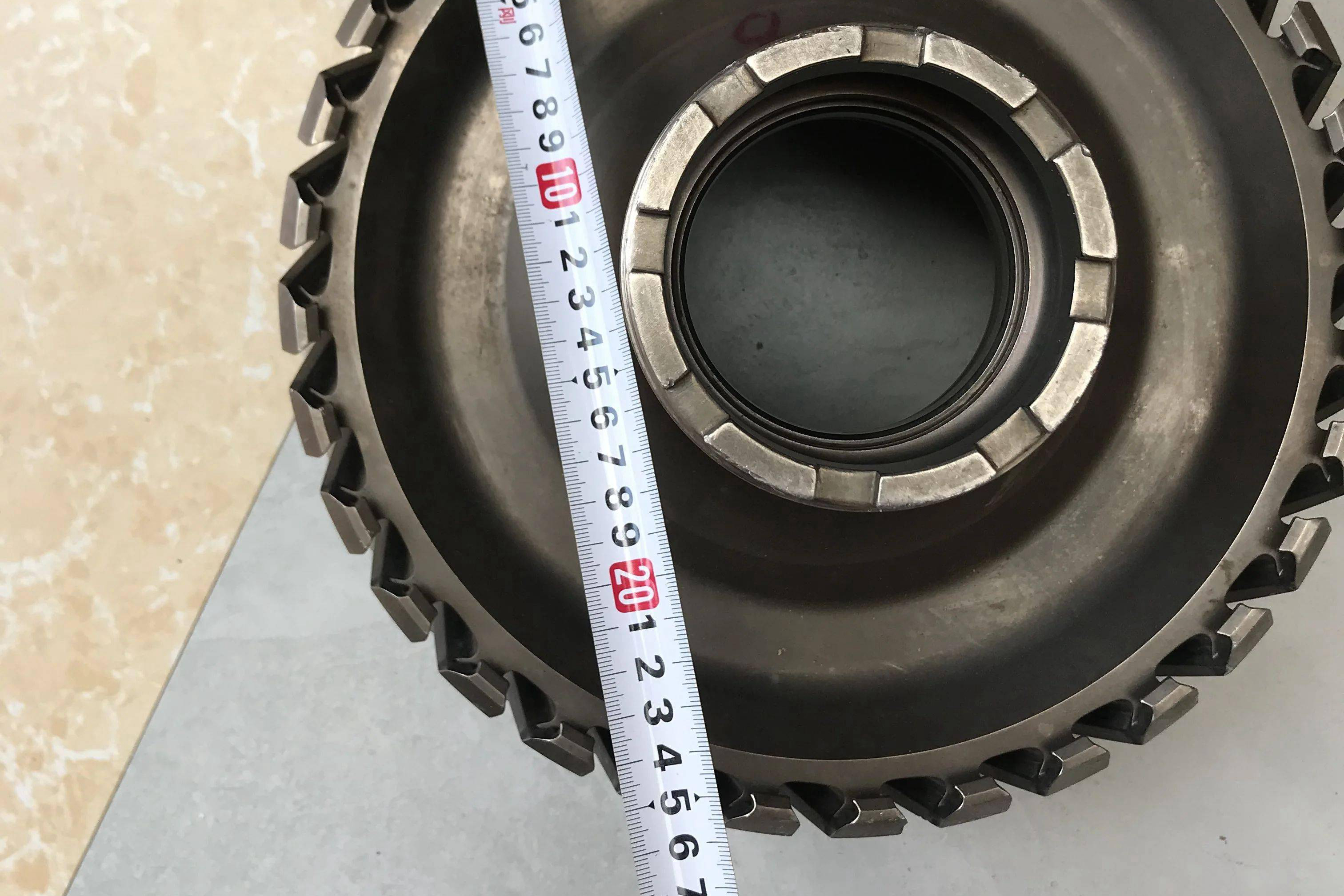
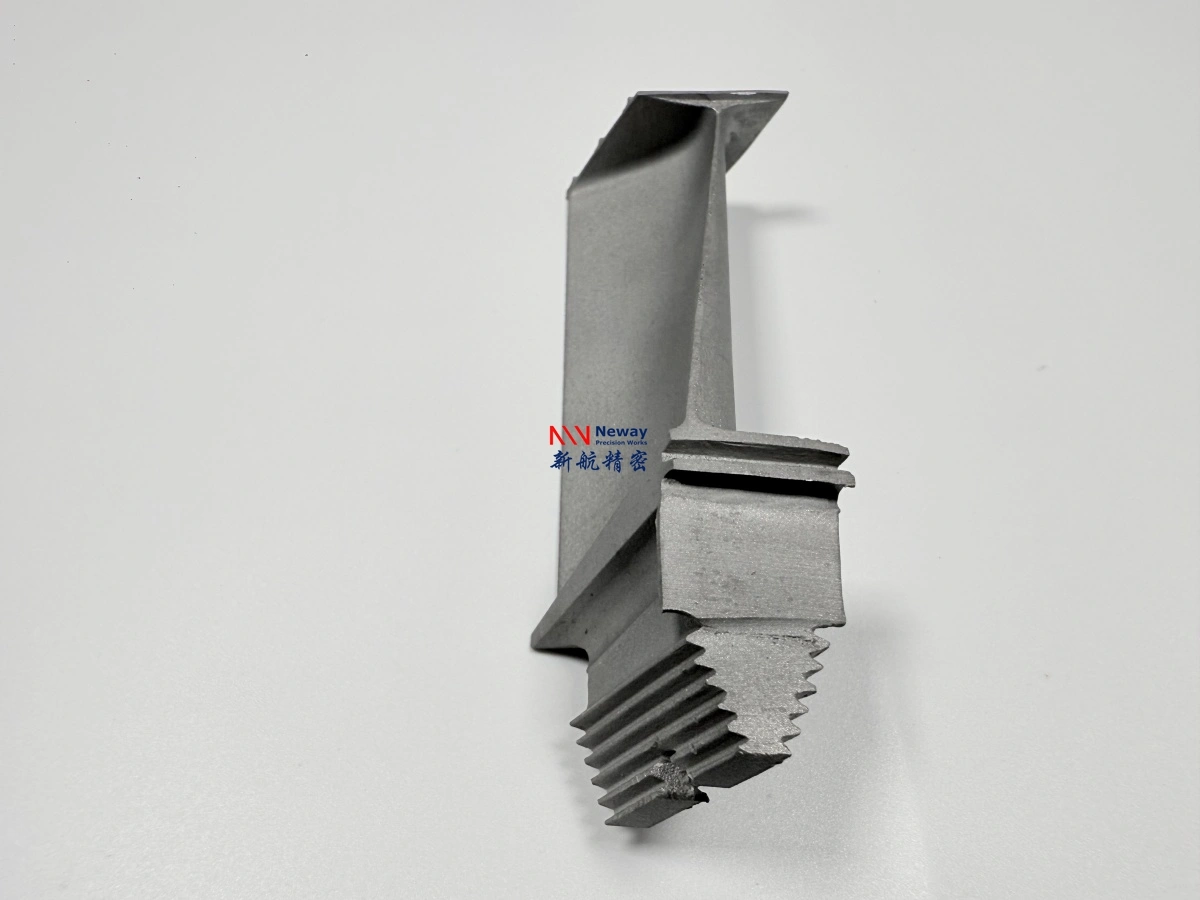
Missile propulsion generates temperatures beyond the limits of conventional alloys. Powder metallurgy enables the use of advanced materials that can operate sustainably at elevated temperatures. Components manufactured through powder metallurgy turbine disc processes demonstrate improved yield strength, thermal fatigue resistance, and long-term dimensional stability, making them ideal for combustion chambers and aerodynamic housings.
Design Flexibility and Complex Geometry
Powder metallurgy supports near-net shape production, enabling engineers to create lightweight structures with minimal machining. Intricate cooling channels, pressure-containment cavities, and functional transitions are achievable without compromising strength. These benefits significantly reduce component mass—an essential factor for flight stability, fuel efficiency, and missile maneuverability.
Integration with Post-Process Enhancement
After powder metallurgy fabrication, critical missile components often undergo hot isostatic pressing (HIP) to eliminate internal porosity and strengthen fatigue resistance. Subsequent superalloy heat treatment stabilizes the microstructure, ensuring sustained mechanical performance throughout operational life.
Defense-Grade Qualification and Reliability
Missile systems require consistent material properties and traceable manufacturing routes. Powder metallurgy allows precise process documentation and stable batch-to-batch repeatability, supporting qualification procedures in the military and defense and aerospace and aviation sectors. Its combination of performance, weight reduction, and microstructural consistency makes it one of the most promising technologies for next-generation missile segment manufacturing.